REVIEW · EDINBURGH
8 Day Isle of Skye, Orkney & North Coast 500 tour from Edinburgh
Book on Viator →Operated by Highland Explorer Tours Ltd · Bookable on Viator
Three islands in one week feels unreal. This 8-day ride from Edinburgh stitches together 3 B&B comfort with breakfast and the big-ticket Jacobite Steam Train moment, plus a nonstop parade of stone circles, castles, cliffs, and coastal road views. The trade-off is simple: lunch and dinner are on your own, and some towns get busy, so you’ll want a plan when you arrive.
What makes it work is the way the trip is paced and guided. With a max of 16 people, you still get room to breathe, regular photo stops, and stories that turn Scotland’s history into something you can feel in the landscape.
In This Review
- Key highlights worth planning around
- How an 8-day loop hits Scotland’s big themes: history, geology, and wild coast
- Day 1: Dunkeld to Culloden and Clava Cairns for a fast-hit history day
- Day 2: Dunrobin Castle, North Coast 500 driving, and then a ferry to Orkney
- Day 3 in Orkney: Neolithic legends and ocean views that feel otherworldly
- Day 4: North Coast 500 on the move, John o’Groats, and Smoo Cave’s geology show
- Day 5: Skye begins with Corrieshalloch Gorge, Eilean Donan, and then Portree to Old Man of Storr
- Day 6: Ferry to Mallaig, Jacobite Steam Train over Glenfinnan, then Glencoe
- Day 7 in Oban: a full free day for fishing-town vibes and seafood plans
- Day 8: Loch Awe area stops plus Kilchurn Castle, Falls of Dochart, and the Kelpies
- What’s included, what’s not, and where the real value comes from
- Pacing, comfort, and practical tips for the way this tour actually feels
- Should you book this Skye, Orkney, and North Coast 500 tour?
- FAQ
- FAQ
- How long is the tour and where does it start?
- What accommodation is included?
- Is the Jacobite Steam Train included?
- Are lunches and dinners included?
- Which major attractions are included versus optional admissions?
- Do you visit Orkney by ferry?
- Do you get any free time?
- What luggage limits and minimum age apply?
Key highlights worth planning around
- Jacobite Steam Train at Glenfinnan: 21 arches over Loch Shiel with famous 1745 connections and serious photo angles
- Neolithic Orkney day: Ring of Brodgar, Skara Brae, plus the Italian Chapel in the same orbit of time
- North Coast 500 energy: long scenic sections with natural stops like Smoo Cave and Knockan Crag
- Isle of Skye essentials: Portree lunch base, plus Old Man of Storr and Kilt Rock/Mealt Waterfall
- Small-group touring: a coach-sized day that still feels personal, especially with guides like Ali P., Rich, or Steve
How an 8-day loop hits Scotland’s big themes: history, geology, and wild coast
This tour is built around three Scottish loves: what happened here, what the land is made of, and how the coast looks when the weather turns. You get battlefield memory, Bronze Age and Neolithic sites, castles with clan ties, and geology stops where you can almost read the story of glaciers and sea erosion.
The “value” isn’t just that you see a lot. It’s that you also get the key pieces handled for you: lodging and breakfast are included, and the itinerary plugs in major sights across different regions so you’re not constantly figuring out logistics between stops.
You can also read our reviews of more tours and experiences in Edinburgh.
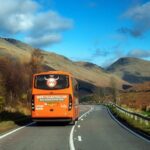
Day 1: Dunkeld to Culloden and Clava Cairns for a fast-hit history day
Your first day is a clean start with short hops between dramatic places. In Dunkeld (a cathedral town in Perthshire), you get an easy fuel-up moment with a free stop that’s perfect for coffee and a pastry before the heavier stuff.
Next comes the Highland Folk Museum, which focuses on how Highlanders lived, worked, and socialised from the 1700s. It’s an outdoor museum approach, so you’re not stuck staring at objects; you’re walking through lived-in history, and it gives context before you reach Culloden.
Culloden Battlefield is the emotional anchor. This is where the final Jacobite Uprising ended in 1746, and the site stays mostly untouched to respect those who died. It’s somber, and it lands harder when you’ve just learned the broader Highland story a few hours earlier.
Then you finish with Clava Cairns, standing stones tied to Bronze Age burial grounds and known as an Outlander inspiration. The trick here is timing: it’s a short visit, so you’ll want to take your photos quickly and then slow down once you’re there. The stones feel simple on the map, but up close they have scale and weight.
Day 2: Dunrobin Castle, North Coast 500 driving, and then a ferry to Orkney
Day 2 shifts your pace toward the northern coast. Dunrobin Castle has that grand, old-splendor vibe with origins going back to the 13th century and French-inspired architecture that makes it look different from many Scottish castles. You also get a falconry display opportunity, which adds movement to a day of stone and views.
Then you jump onto the North Coast 500 corridor. Even without long descriptions, this part matters because it’s the route’s promise: rugged coastline, big skies, and enough turns that you keep seeing new angles even when you think you’ve already “seen” the scenery.
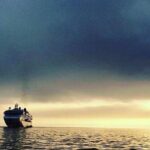
Finally, you take the ferry over to Orkney and land in Kirkwall for the night. The ferry leg is a good reset. It breaks up the day, and it also signals you’re leaving the mainland rhythm behind.
Day 3 in Orkney: Neolithic legends and ocean views that feel otherworldly
Orkney compresses time in a way the mainland rarely does. The first stop is the Italian Chapel, built during World War Two using two Nissen huts. It was created by Italian prisoners of war on the island, and it’s now one of Orkney’s best-known attractions—proof that even the hardest chapters of history can produce something crafted, lasting, and human.
Next comes the Ring of Brodgar, a large stone circle and one of the icons of Heart of Neolithic Orkney. It’s the kind of site where your photos never fully explain what it feels like on the ground. Give yourself a little extra minutes to look around, not just at the stones—because the setting does most of the work.
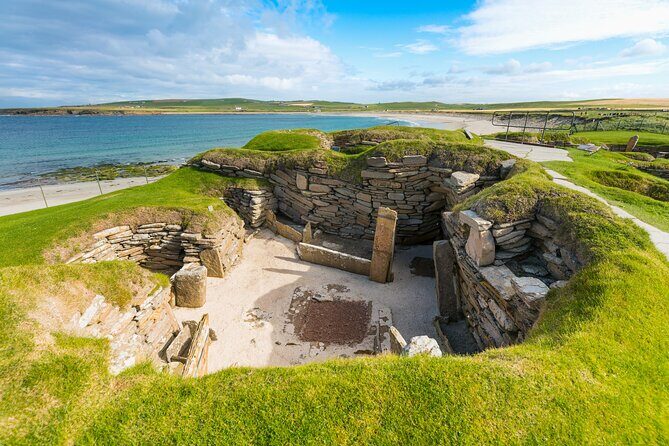
Skara Brae is the big one for many people. This is a well-preserved Neolithic village with ten houses, uncovered in the 19th century after a storm revealed it. The ocean views are part of the experience here, not an afterthought. You’re looking at where people lived, and then immediately seeing the coastline that shaped their lives.
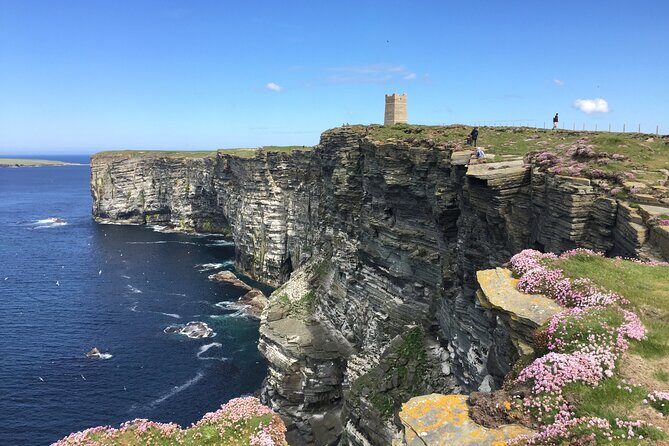
You round out the day at Yesnaby Cliffs, where the drama shifts from ancient ruins to cliffs, seastacks, and rocky beaches. It’s a good blend: you get history, then you get the raw physical world those early communities had to live with.
Day 4: North Coast 500 on the move, John o’Groats, and Smoo Cave’s geology show
Day 4 is a long scenic day. You start at John o’Groats, described as the northernmost point of Great Britain, and it’s a natural place to take quick photos and reset your head for more driving.
Then the North Coast 500 keeps going. The key thing to understand is that the route is not just one viewpoint. It’s a chain of mini highlights—your guide helps with the stops so you’re not stuck scanning for pull-offs on your own.
Smoo Cave is the natural standout. It’s known as one of the top natural attractions on this route, with a 50ft entrance and a waterfall chamber inside that includes its own lake and boat trips. Even if you don’t do every optional add-on, the cave’s scale is the point, and it’s the kind of stop that makes the bus ride feel worth it.
You also pause in Durness for lunch break and a beach moment at Sango Sands. This is the tour’s “breathe” period: cliffs and caves are intense. A shoreline stop lets you stretch your legs and handle snack time without stress.
Then you walk through Knockan Crag National Nature Reserve. The reserve stop is short, but it’s valuable because it slows things down just enough to let you notice what “North West Highlands” actually means—geology and views that don’t require castle walls to impress you.
Day 5: Skye begins with Corrieshalloch Gorge, Eilean Donan, and then Portree to Old Man of Storr
Today is when the tour turns toward Isle of Skye in earnest. Corrieshalloch Gorge is a great opener: it’s formed from melted glacial water and is about 1.5 km long, 60m deep, and 10m wide. It’s one of those places where distance and depth are hard to picture until you’re standing there.
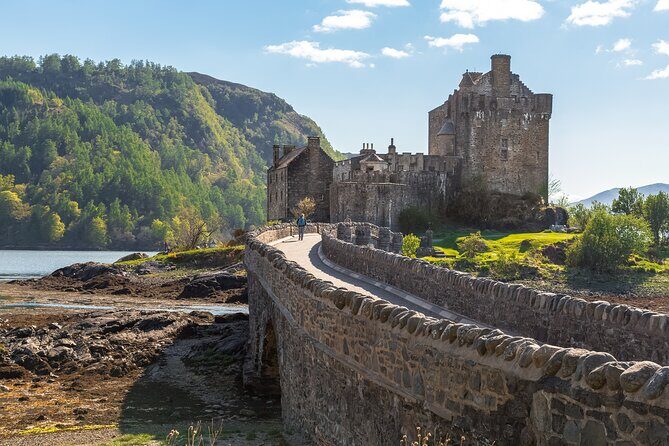
Next is Eilean Donan Castle, described as the most photographed castle in Scotland. It has links to clans MacKenzie and MacRae, which matters because it adds people and power behind the postcard. It’s also a perfect “stop before Skye” moment, since it sets the tone for what you’ll see for the next stretch.
Portree is where you land for lunch. It’s the island’s largest settlement, and it’s useful as a practical lunch base: you can wander the high street area, choose what you want to eat, and regroup before the heavier scenery stops.
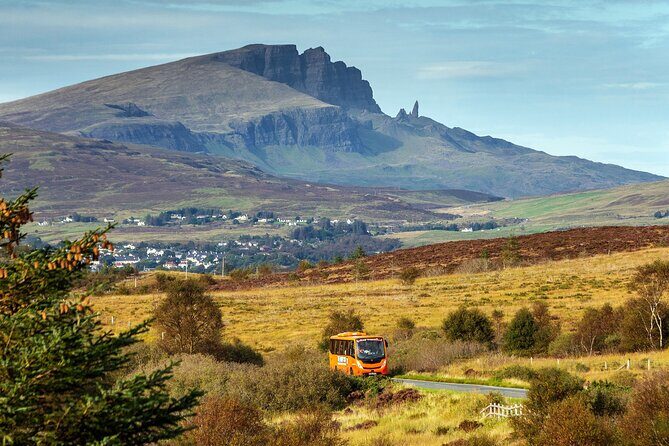
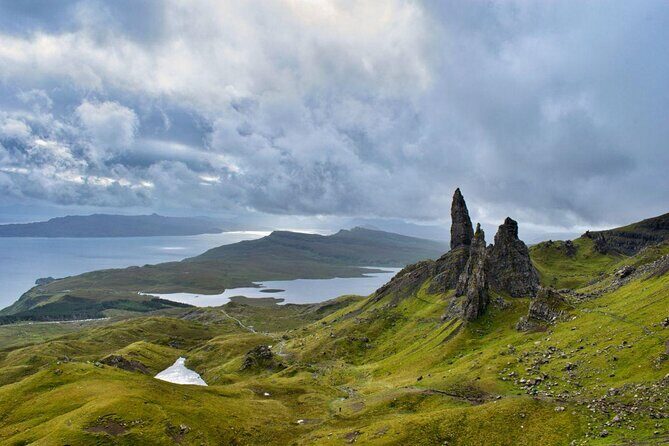
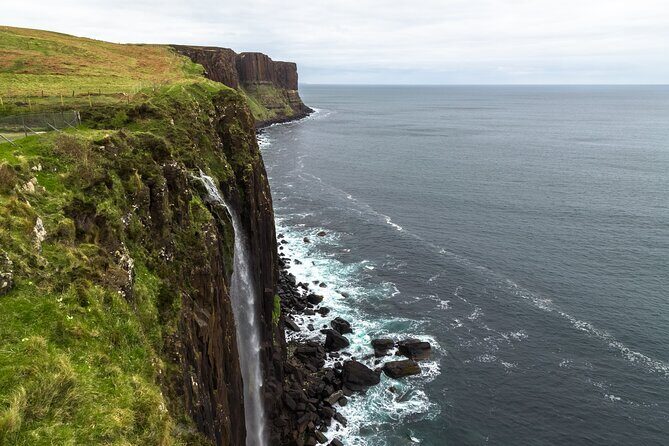
Then you hit Skye’s signature shapes. The Old Man of Storr is one of the top geology wonders on the island, standing on an ancient landslip. Mist can play tricks, so if you see clear visibility, take it seriously. Kilt Rock follows, with the cliff shaped like a kilt and Mealt Waterfall running into the ocean. Even with quick stop timing, these are the kinds of sights that make people understand why Skye has a reputation.
Day 6: Ferry to Mallaig, Jacobite Steam Train over Glenfinnan, then Glencoe
This day is the “cinema” day. You board the ferry from Armadale to Mallaig and keep an eye out for wildlife, which makes the crossing feel alive rather than like a transfer step.
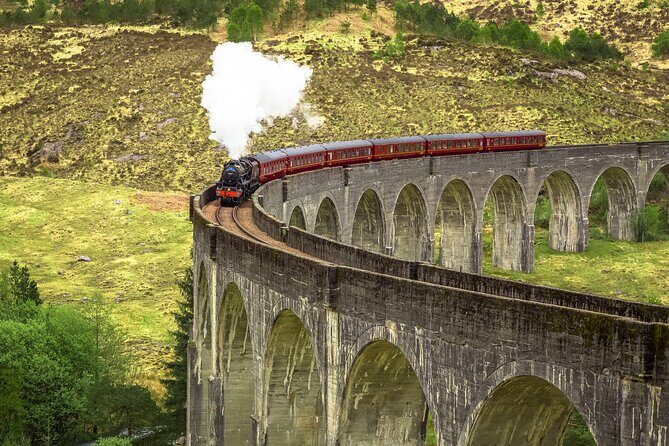
Then you get the Jacobite Steam Train ride. The West Highland Line between Mallaig and Fort William is famous for scenery, and the train steams over the 21 arches of the Glenfinnan Viaduct. You’ll look out toward Loch Shiel, tied to Bonnie Prince Charlie’s 1745 landing, and you can also spot the silhouette of the Small Isles. If you’re a Harry Potter fan, it’s the obvious connection. If you’re not, it still works because the train ride itself is the star: motion, views, and that sense of old Scotland moving through modern time.
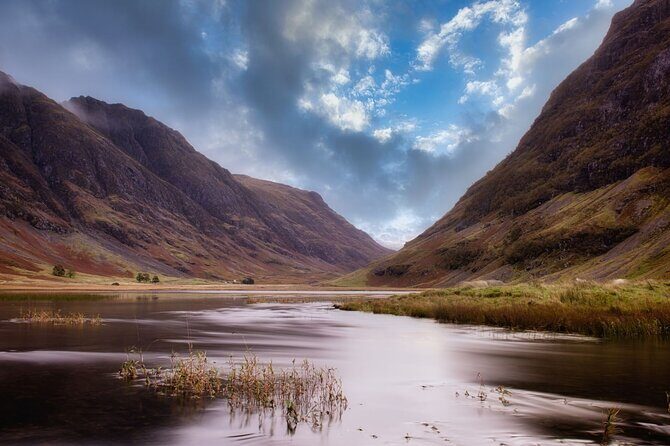
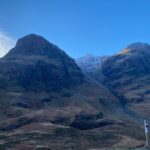
Glencoe is next, and it’s not a casual stop. The scenery is dramatic—mountains against moorland—but the guide also covers Glencoe’s sad history. That combination gives you the full meaning of the place rather than just the photo.
Day 7 in Oban: a full free day for fishing-town vibes and seafood plans
Day 7 is intentionally open. You spend it in Oban, a charming fishing town, with about 12 hours to explore at your own pace. This is your chance to slow down. Pick a route that matches your energy, and don’t waste the morning on “checking boxes.”
The one practical tip you should follow: if you want wildlife tours, book ahead. Oban draws people who want sea views and animals, and last-minute plans can be harder than you’d think.
Day 8: Loch Awe area stops plus Kilchurn Castle, Falls of Dochart, and the Kelpies
The final day stays in Scotland’s classic “water and stone” style. You stop at St Conan’s Kirk on the banks of Loch Awe, built between 1881 and 1886 and surrounded by a forested setting that feels peaceful and local.
Kilchurn Castle is derelict and sits on a rocky peninsula, built mid-1400s by Sir Colin Campbell, 1st Lord of Glenorchy. It’s one of those places where even if the castle isn’t intact, the setting is still worth the visit.
You also get time for a Highland village stop for lunch and leg-stretching. Then you move to Falls of Dochart in the village of Killin, where you can step back and enjoy a quieter, calmer stop before the ride winds down.
The grand modern finish is The Kelpies and The Helix. These huge sculptures—mythological beasts inspired by Scottish folklore—are designed by Andy Scott, and they’re described as the largest equine sculptures of their kind in the world. At about 30 meters tall and 300 tonnes, they’re hard to treat as just a quick stop. They’re a fitting end after days of ancient stone and big natural scale.
What’s included, what’s not, and where the real value comes from
Here’s the clean way to think about it:
Included:
- 7 nights of 3 B&B accommodation
- Breakfast each morning (7 included breakfasts)
- Jacobite Steam Train ticket
- A guided day with major attractions along the way
Not included:
- Lunch and dinner
- Tips
- Some castle/attraction admissions are marked as not included (like Dunrobin Castle and Eilean Donan Castle), so plan on paying those directly when you arrive
So the value is mostly in two buckets: you avoid the accommodation hunt, and you don’t have to piece together the hardest-to-organize headline experience (the train). Everything else is about choosing how much time you want to spend on optional add-ons versus moving with the group.
Pacing, comfort, and practical tips for the way this tour actually feels
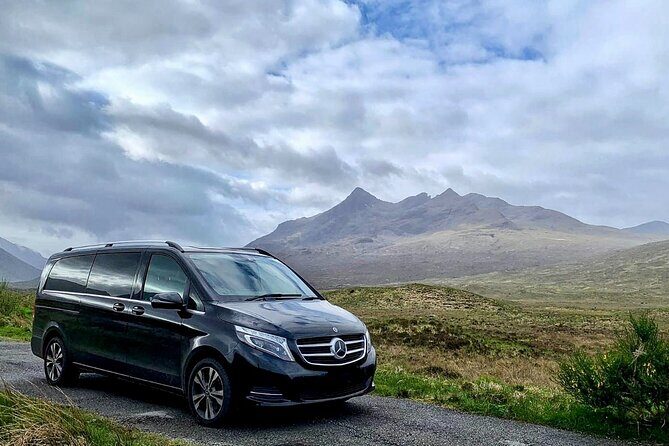
The group size is capped at 16, so it’s not a huge crowd shuffle. In practice, the experience is “road trip with frequent stops,” which matters on days like the North Coast 500, where you’d go stir-crazy if it were pure driving.
You’ll do some walking. It’s not mountains-only hiking, but expect footwear to matter. Also, the weather can change fast, so bring layers and rain protection. Many stops are outdoors, and you’ll want to be comfortable standing around for views and photo angles.
Luggage is capped at one suitcase up to 33lbs (15kg) plus one carry-on bag. Pack light enough that you don’t hate your own bag by day 4. The coach is small enough that you’ll feel it if your kit is bulky.
If you care about photo timing, take advantage of the way your guide helps with spots and angles. That guidance can save you from missing the best light or standing in the worst position.
Should you book this Skye, Orkney, and North Coast 500 tour?
I’d book it if you want a guided “big Scotland” sampler with major sights already fitted into your week, plus lodging and breakfast taken care of. It’s a strong choice if you like history and nature, and you don’t mind moving from place to place—because the payoff is variety: Culloden one day, Skara Brae the next, and Skye cliffs by sunset after the train day.
I’d think twice if you hate planning for meals. Since lunches and dinners aren’t included, you’ll be choosing where to eat almost every night, and popular places can fill up. If you’re the type who wants your evenings totally locked in, this tour will feel less relaxing than you’d hoped.
If you go in knowing it’s an active, scenic circuit—rather than a stay-put vacation—you’ll get real value fast.
FAQ
FAQ
How long is the tour and where does it start?
It’s an 8-day tour and it starts at Highland Explorer Tours, 60 High St, Edinburgh EH1 1TB. The start time is 8:30 am.
What accommodation is included?
You get 3* B&B accommodation for 7 nights, and breakfast is included each morning (7 breakfasts total).
Is the Jacobite Steam Train included?
Yes. The Jacobite Steam Train is included, but the service may change or be cancelled at short notice due to factors beyond the operator’s control.
Are lunches and dinners included?
No. Lunch and dinner are not included, so you’ll be on your own for those meals.
Which major attractions are included versus optional admissions?
Some admissions are included and some are not. For example, Highland Folk Museum, Culloden Battlefield, Skara Brae, and Ring of Brodgar are included, while Dunrobin Castle and Eilean Donan Castle are marked as not included.
Do you visit Orkney by ferry?
Yes. You travel to Orkney by ferry and then return toward the mainland later with another ferry hop.
Do you get any free time?
Yes. Day 7 is a free day to explore Oban, with about 12 hours available.
What luggage limits and minimum age apply?
The minimum age to travel is 5 years old. Each traveler can bring a maximum of 1 suitcase up to 33 lbs (15 kg) and 1 carry-on bag.