REVIEW · EDINBURGH
Edinburgh: Dean Village Circus Lane Walking Tour with a Local
Book on Viator →Operated by Local Eyes Tours · Bookable on Viator
Edinburgh has a quieter side, right off Princes Street. This 2-hour Dean Village to Princes Street stroll is a smart way to see real neighborhood Edinburgh instead of just the busiest viewpoints. You’ll move through Dean Village, the 1770s New Town edges, and the river paths of the Water of Leith, with stops designed for photos, history, and everyday local life.
What I like most is the escape from crowds paired with a max 15 small group, so your guide can slow down when someone has questions. I also like the mix of city design and river scenery: Dean Village feels like a mini escape only about a 10-minute walk from Princes Street, and the Water of Leith route gives you a chance at seeing local wildlife like herons and otters.
One consideration: this is built for people with moderate physical fitness, and cobblestones show up. If you’re pushing a stroller, you’ll be fine using one, but you’ll want to be ready for uneven ground and a steady pace.
In This Review
- Key things to know before you go
- Why Dean Village and Circus Lane feel like a local reset
- Meeting at Princes Street (1:30 pm) and how the walk actually flows
- Dean Village: mills, stone bridges, and that surprisingly close-to-the-countryside feeling
- New Town’s 1770s planning and the writer-adjacent magic
- Scott Monument: the Gothic Rocketship moment you shouldn’t miss
- Water of Leith Walkway: river air, birds, and a calmer side of the city
- Stockbridge Market (Sunday) and Princes Street Gardens: finishing in the center
- Price, value, and what you’re really paying for at $24.98
- The guides: names you’ll hear (and why their style matters)
- Who this tour suits best (and who might skip it)
- Should you book this Dean Village to Circus Lane walking tour?
- FAQ
- How long is the Edinburgh Dean Village to Princes Street walking tour?
- What does the tour cost?
- How many people are in the group?
- Where do I meet the guide?
- Where does the tour end?
- What time does the tour start?
- Do I need to pay admission tickets during the tour?
- Is the tour okay for people with moderate fitness?
- Can I bring a stroller?
- What is the cancellation policy?
Key things to know before you go
- Small group size (up to 15) keeps the walk personal and question-friendly.
- Dean Village first lets you start with the prettiest, calmest pocket of the route.
- Water of Leith walking stretch is where wildlife spotting and river history can happen.
- Most admissions are free, but Scott Monument’s ticket is not included.
- Sunday option: you pass by Stockbridge Market if your date lines up.
- Mobile ticket means you can travel light at check-in.
Why Dean Village and Circus Lane feel like a local reset
Edinburgh can be a lot. Even when you love the city, you can still feel herded toward the same handful of streets. This tour is built as a practical antidote. You start in the central area and then steadily move toward places that feel quieter and more lived-in, especially Dean Village and the Water of Leith corridors.
What makes this route work is the pairing of two different Edinburgh moods. You get the clean lines and ambition of New Town’s planning, then you drop into older, softer spaces by the river where buildings look like they’ve been there forever. In other words, you get architecture plus atmosphere, not just postcard views.
And you get storytelling that aims at both the past and the present. The stops aren’t arranged like a checklist of famous names. Instead, they’re set up for how a place functions: why it was built, what it became, and how the city’s identity shows up in streets, stone, and public gardens.
You can also read our reviews of more walking tours in Edinburgh



Meeting at Princes Street (1:30 pm) and how the walk actually flows
The tour meets at the Statue of Sir James Young Simpson, 132 Princes St, Edinburgh (EH2 3AA). It starts at 1:30 pm, and the ending point is around 77 Princes St, Edinburgh (EH2 2DF). If the group pace is a bit quicker, you may finish in Princes Street Gardens near George Street.
That ending flexibility matters because it keeps you near central landmarks. So even if you finish slightly closer to the shops and transit lines, you’re not stuck walking out to the edge of the city.
A few practical notes based on how this style of tour tends to operate:
- You’ll want comfortable walking shoes. Cobblestones can show up.
- You should plan for steady walking rather than frequent stops.
- Rain happens in Edinburgh. One guide kept things moving and made the weather part of the experience, not a reason to shut it down.
Group size also affects pacing. With a maximum of 15, your guide can adjust tempo for the people in the group. That’s a big deal on longer city walks where one slower walker can otherwise force everyone to keep stopping and starting.
Dean Village: mills, stone bridges, and that surprisingly close-to-the-countryside feeling
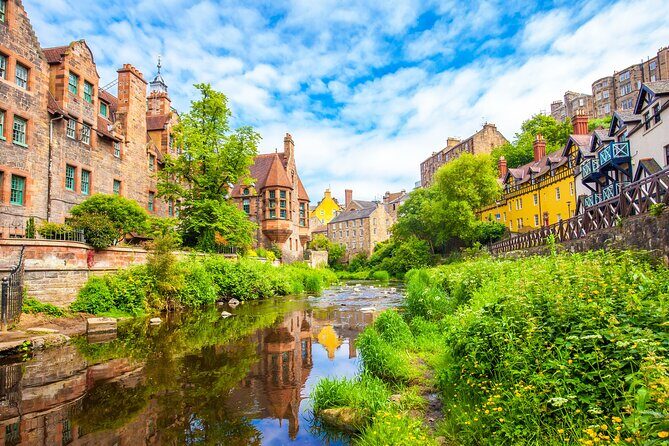
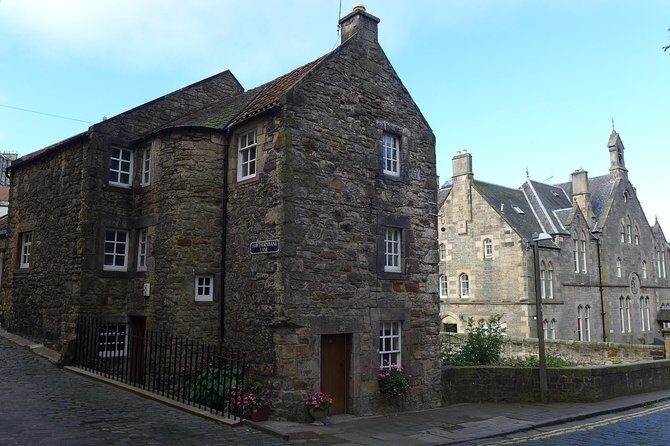
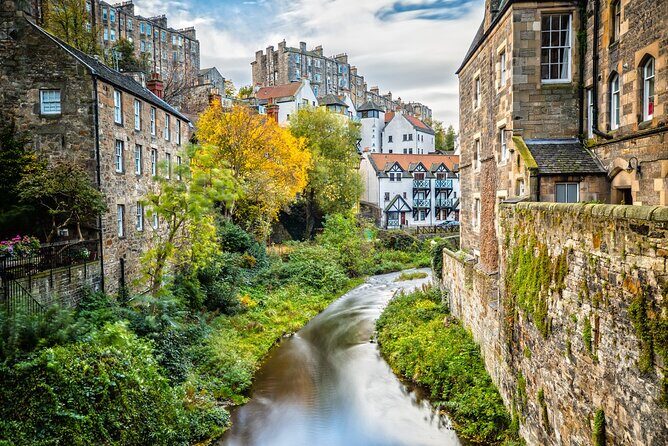
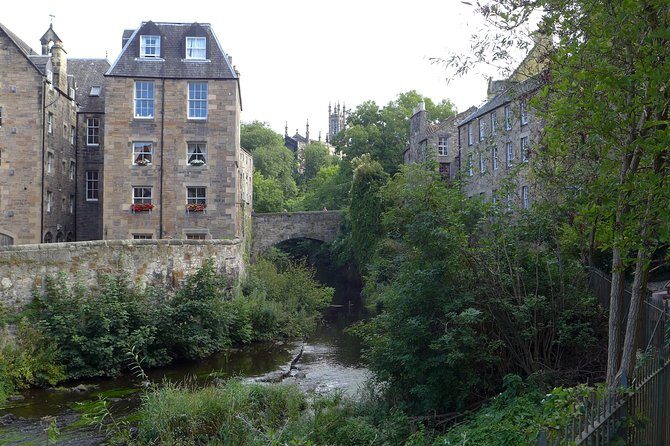
Dean Village is the star at the start, and it’s easy to see why. This is a former mill village in the Dean Valley by the Water of Leith, and it carries that “how is this so close?” feeling. The area is described as a Highlands taste only around a 10-minute walk from Princes Street, which is exactly the kind of Edinburgh magic you hope for.
Here’s what to look for as you walk:
- Seventeenth-century buildings mixed with quieter, storybook streets.
- The way the river and paths shape the neighborhood mood.
- Potential wildlife moments, including herons and otters. You should treat this as a maybe, not a guarantee, but the river setting makes it plausible.
A small-group format helps here. Instead of rushing through the pretty parts, you get time to linger for photos and for the guide’s context—how industrial history and later city changes shaped what you’re seeing now.
One more thing: Dean Village works well even if you only have a couple of hours in Edinburgh. It’s scenic without being far-flung, and it gives your day a calm start before you hit busier streets again.
New Town’s 1770s planning and the writer-adjacent magic
Next you head into New Town, which is sometimes confusing for first-timers because it’s not actually “new” in the way the name sounds. It was originally built in the 1770s, and the tour highlights how the design ideas changed city planning.
You’ll also get the chance to see grand Georgian townhouses, and you’ll hear stories tied to Scotland’s literary legacy, including the former home of one of Scotland’s greatest writers. Even if you don’t consider yourself a literature person, this stop makes the city make sense: the stones and street patterns aren’t just pretty, they reflect a period when Scotland was building its confidence into the built environment.
Why this stop is valuable on a walking tour: it helps you connect the visible architecture to the invisible systems behind it—who had money, how neighborhoods were planned, and why the layout matters to how you move through a city today.
Potential drawback: if you’re hoping for lots of indoor time, this isn’t that kind of tour. It’s a walking experience, so you’re reading the city in real time through streets, facades, and sightlines.
Scott Monument: the Gothic Rocketship moment you shouldn’t miss
Scott Monument is a quick stop, but it’s a big one. The structure is described as the largest monument to a writer anywhere in the world, and it’s known for its dramatic Gothic look—often referred to as the Gothic Rocketship.
Walter Scott’s role is front and center here. The tour frames the monument as more than a statue, linking it to how Scott changed the way novels were written and to how he helped reinvigorate Scotland’s sense of national identity.
Two practical points:
- The stop itself is short, so use it for photos and the main “why this matters” context.
- Admission is not included for Scott Monument. If you want to go inside (if that’s possible on your visit day), budget extra time for ticketing.
If you’re someone who likes to understand the meaning behind famous landmarks, this quick stop pays off. If you’re only after scenic streets and river views, you might consider the monument the “pause and understand” part of the walk.



Water of Leith Walkway: river air, birds, and a calmer side of the city
After architecture and monument energy, you move into a more natural rhythm: the Water of Leith Walkway. This is a river path where you can slow down, look around, and get that “Edinburgh isn’t only stone towers” feeling.
You’ll walk down the river path for about 25 minutes, with the chance to spot birdlife and potentially local otters. Again, treat wildlife as luck-based, but the setting is the point. The river corridor naturally creates a different soundscape and a different pace.
This stop also includes local history. That matters because the river isn’t just scenery here. It’s part of how the city worked—industrially, socially, and geographically.
If you’re the kind of traveler who loves a walk that feels like you’re moving through layers of the city rather than hopping between separate sites, this is where the tour clicks.
Rain tip: if it’s wet, protect your phone. The river air and paths can mean damp footing, and you’ll appreciate having non-slip shoes.
Stockbridge Market (Sunday) and Princes Street Gardens: finishing in the center
Your route then brushes by Stockbridge Market when the tour date is on a Sunday. Even if you don’t plan to stop, it’s a nice texture shift: you’re moving from historic and natural settings into a market-adjacent neighborhood feel.
From there, the tour walks through parts of Princes Street Gardens. This is a central public green space, and the tour frames it as among Edinburgh’s most historic public gardens. You get a soft landing back toward the heart of the city.
Why I like this ending: it balances your day. You start with a calm neighborhood, move through planning and monuments, then finish with greenery and an easy return to transit and food options.
If you want a very practical next step after the tour, finishing near Princes Street is helpful. You can head straight into cafes, museums, or evening plans without needing another transit hop.
Price, value, and what you’re really paying for at $24.98

At $24.98 per person for about 2 hours, the price is positioned as a value-focused local guide experience, not a big-vehicle sightseeing production. In practice, what you’re paying for is:
- A small-group format that keeps the walk interactive.
- A route that mixes scenic streets with context, so you’re not just looking at places—you’re understanding why they look like they do.
- Mostly free admissions at key stops, which helps keep the out-of-pocket cost predictable.
Here’s the cost nuance you should know: Scott Monument’s admission is not included, while other stops list free admission. So if you’re planning to access monument interiors, you may pay extra. If you’re happy with exterior viewing and stories, you can keep the budget clean.
Also, note the tour carries a minimum traveler requirement. If that minimum isn’t met, you may be offered a different date or a refund. This matters if you’re traveling at peak times and only have one afternoon window.
And one more detail: mobile tickets make check-in easy, especially if you’re bouncing around the city and don’t want to manage printouts.
The guides: names you’ll hear (and why their style matters)
One underrated part of booking a walking tour is the guide. On this experience, the guide quality shows up in how people describe the tour: clear explanations, good pacing, and a willingness to answer even tricky questions.
In past departures, guides including Zander, Kieran, Adrian, and David have been praised for being informative, friendly, and easy to understand, including for visitors whose English isn’t their first language. Shanna is also mentioned for making the walk fun even in rain, while David gets credit for explaining architecture and history and for answering lots of questions.
You’ll also notice a theme: photo help. Some guides offered to take pictures, which is a simple thing but saves you from awkward camera self-timer attempts on scenic stone streets.
If you’re booking with introvert-friendly expectations, the small group format matters again. Fewer people means asking questions doesn’t feel like you’re grabbing the mic in a crowded lecture hall.
Who this tour suits best (and who might skip it)
This tour is a strong fit if you:
- Want an off-crowd look at Edinburgh without leaving the city center behind.
- Like walking tours where architecture, urban planning, and everyday life stories go together.
- Appreciate river scenery and the chance to spot wildlife, even if it’s not guaranteed.
It may be less ideal if you:
- Have mobility limits that make cobblestones and steady walking hard.
- Need lots of indoor time or museum-like pacing.
- Want every stop to be fully admission-included (Scott Monument’s admission isn’t included).
Strollers are allowed, but parents should be ready for cobblestones. If you’re traveling with small kids, consider whether your group’s comfort with uneven ground matches this tour’s moderate fitness level.
Should you book this Dean Village to Circus Lane walking tour?
I’d book it if you want a practical Edinburgh plan that feels local, not rehearsed. The combination of Dean Village’s peaceful streets, New Town’s planning ideas, and the Water of Leith river walk is a winning mix for a short trip. Add in the small-group cap and the fact that most stops are free to access, and the $24.98 price starts looking like good value.
Skip it only if you know you won’t enjoy walking on uneven cobblestones or you’re only interested in major landmark interiors. Otherwise, this is a smart way to spend a couple of hours: you’ll come away with a better sense of how Edinburgh’s neighborhoods grew and why the city looks the way it does.
FAQ
How long is the Edinburgh Dean Village to Princes Street walking tour?
It lasts about 2 hours.
What does the tour cost?
The price is $24.98 per person.
How many people are in the group?
It has a maximum of 15 travelers.
Where do I meet the guide?
The meeting point is at the Statue of Sir James Young Simpson, 132 Princes St, Edinburgh EH2 3AA.
Where does the tour end?
It ends around 77 Princes St, Edinburgh EH2 2DF. If the group walks a bit faster, you may finish in Princes Street Gardens near George Street.
What time does the tour start?
The start time is 1:30 pm.
Do I need to pay admission tickets during the tour?
Dean Village, New Town, the Water of Leith Walkway, Stockbridge Market (when passed), and Princes Street Gardens are listed as free. Scott Monument admission is not included.
Is the tour okay for people with moderate fitness?
Yes, it’s recommended for travelers with a moderate physical fitness level.
Can I bring a stroller?
Strollers can be used, but parents should be in good shape and ready for cobblestones.
What is the cancellation policy?
You can cancel for a full refund up to 24 hours in advance of the experience’s start time. If you cancel less than 24 hours before, the amount paid won’t be refunded.