REVIEW · ABERDEEN
Aberdeen’s Ancient Heritage and Folklore
Book on Viator →Operated by Grampian Escapes Tours Ltd · Bookable on Viator
Pictish stones around Aberdeen tell stories for centuries. On this off-the-beaten-path day, I love how the trip turns big names into real places, especially the Pictish carved stones around Rhynie and the stone-circle sites in the wider region. I also like the small-group pace, which makes it easier to ask questions and get the story straight from the landscape.
One thing to keep in mind: you do have hill walking. It’s described as moderate fitness and it’s not the best fit if you have mobility issues, so plan around the slopes.
I went for the history and stayed for the folklore vibe—ghost stories, symbols, and how these sites connect to the people who shaped northeast Scotland. The guide’s role matters here, and the experience is led by Jacqueline, who’s known for adjusting the day so you actually see what you came to see.
Key Pictish Heritage Highlights (in plain terms)
- Rhynie’s Pictish stronghold feeling, with carved stones and the Crawstane standing stone
- Tap O’Noth’s hillfort scale, described as Scotland’s largest hillfort and possibly home to 5,000+ residents at its height
- Recumbent stone circle at Tomnaverie, with its distinctive large stone lying on its side
- Concentric defenses at Dunnideer, where you can read the fort’s banks and ditches from multiple angles
- Small group size (max 7), which keeps the day flexible and question-friendly
In This Review
- Entering Pictish time from Aberdeen: what this day really offers
- 9:00 start, 7.5 hours long, and a max of 7 people
- Barra Hill fort: higher ground and what’s left behind
- Dunnideer Hillfort and Stone Circle: banks, ditches, and a tower-house twist
- Rhynie and Tap O’Noth: Pictish symbols, trade claims, and a big hillfort
- Bellabeg lunch break near the Doune of Invernochty
- Tomnaverie Stone Circle: recumbent design and 4,500-year questions
- Value at $135.49: what you’re really paying for
- Jacqueline’s guiding style: personalization that doesn’t feel forced
- What to bring and how to pace yourself on the hills
- Who this tour suits best (and who should skip it)
- Should you book the Ancient Heritage and Folklore tour from Aberdeen?
- FAQ
- Where is the meeting point for this tour?
- What time does the tour start?
- How long is the tour?
- How much does the tour cost?
- Is lunch included?
- Are there admission fees for the stops?
- Is WiFi provided?
- How big is the group?
- Is this tour suitable for mobility issues?
- Do I need walking poles?
- Does the tour depend on weather?
Entering Pictish time from Aberdeen: what this day really offers
If you’ve only seen Scotland’s famous ruins, this tour gives you a different kind of thrill: older, stranger, and more local. You’re not just looking at monuments. You’re learning how Pictish communities lived, defended themselves, and left symbols behind that people still try to interpret today.
The day’s theme is ancient heritage and folklore, with the sites chosen to show how the Picts connected to the wider story of Scotland (and how things changed). That means hillforts, stone circles, standing stones, and the places where earlier settlements formed the roots of later towns and villages.
You get a strong “northeast Scotland” feel without doing a hard-to-plan self-drive route. And because the group is small and the guide can respond to your interests, it’s less of a checkbox tour and more of a working story you can follow.
9:00 start, 7.5 hours long, and a max of 7 people
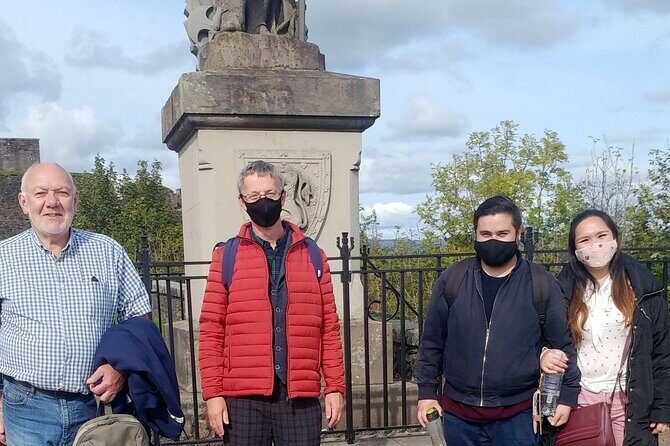
This is scheduled for about 7 hours 30 minutes, starting at 9:00 am and ending back at the same meeting point: the William Wallace Statue on Union Terrace, Aberdeen (AB10 1NP). It’s a full day, but it doesn’t feel like you’re sprinting between stops.
A few practical notes matter for planning:
- You’ll be moving through several hill and site sections, including short walks and viewpoints.
- The pace is still manageable, but it’s not a “sit on a coach and look out the window” day.
- WiFi on board and a mobile ticket are included, so you’re not dealing with paper tickets or offline stress.
You should also assume the day runs best with good weather. The tour notes that poor weather can mean a reschedule or a refund, which makes sense when you’re outside on hills and at open-air stone sites.
You can also read our reviews of more historical tours in Aberdeen

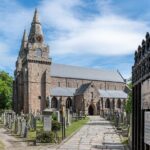
Barra Hill fort: higher ground and what’s left behind
You start with Barra Hill fort, a hillfort type found across Aberdeenshire. The basic idea is simple: people built on higher ground, and those forts often included timber or stone enclosures to form settlements where people lived and worked.
Here’s what makes Barra a smart first stop. Many hillforts across the region are hard to access today, with only foundations remaining. Barra is presented as one of the few that you can actually visit, which helps you “read” what a fortified community might have looked like even when most of the structure is gone.
If you like archaeology logic, this is a good setup. You’re seeing how early communities used terrain, then connecting that to later hillforts and stone sites during the rest of the day.
What to watch for: even though the stop is about 1 hour, you’ll still want sturdy shoes. You’re on outdoor ground, and you’ll be stepping around uneven areas typical of hillfort sites.
Dunnideer Hillfort and Stone Circle: banks, ditches, and a tower-house twist
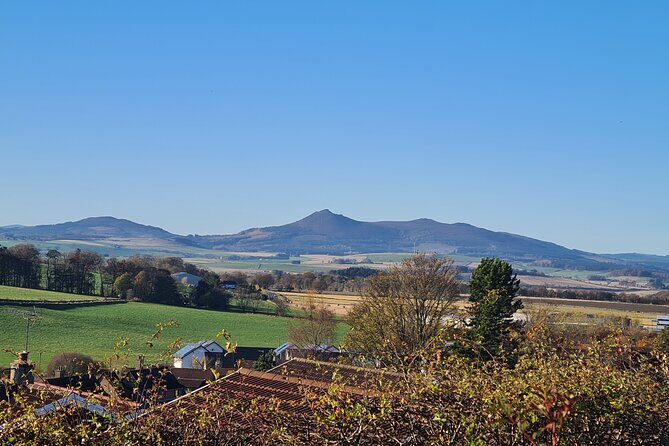
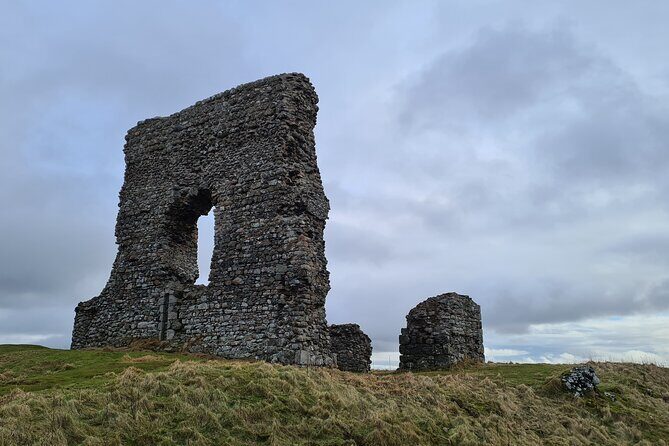
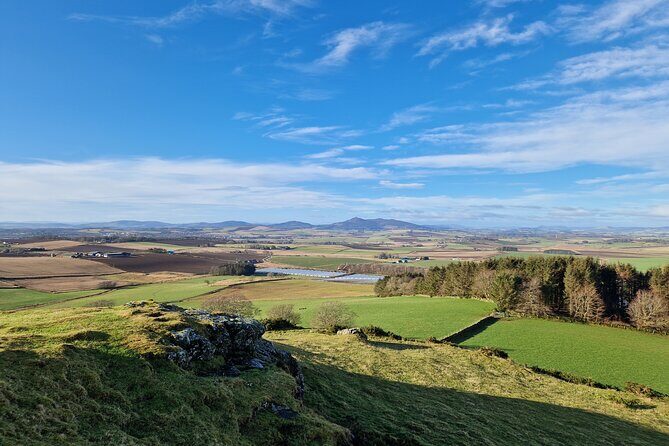
Next comes Dunnideer Hillfort, where you do a short walk up a low hill. From there, you can see the ruins of Dunnideer Castle, described as a tower house built around c. 1260. The story gets extra interesting because it was built partly using the remains of an earlier vitrified hill fort at the same location.
This is where the fortifications become easy to visualize. Dunnideer’s defenses are described as at least five concentric rings. From below, and from atop the hill, you can see those defenses as high banks and ditches. That’s a big part of why hillforts like this feel different from flat-ground monuments: the site itself shows you how the people tried to defend it.
A short distance away, you also get the remaining stones of the Dunnideer Stone Circle. Seeing a hillfort and a stone circle near each other helps you understand that these weren’t isolated oddities. They were part of the same broader human world—people living, building, marking places, and making meaning in the open.
Potential drawback: because you’re walking up a hill (even if it’s “low”), this stop can feel a bit steep. If you use walking poles, bring them. The tour suggests they can help on the hill sections.
Rhynie and Tap O’Noth: Pictish symbols, trade claims, and a big hillfort
Rhynie is one of the most compelling parts of the day. The area is described as a Pictish stronghold in the northeast, and the tour ties it to Tap O’Noth, presented as Scotland’s largest hillfort.
What I like about the way this stop is framed is the scale. Researchers are believed to see Tap O’Noth as a community that, at its height, may have rivalled the largest known post-Roman settlements in Europe—and it’s estimated to have had over 5,000 residents. That’s not a tiny “ancient weekend camping spot.” It’s a major settlement.
Then you shift from scale to symbolism:
- You’ll see a collection of Pictish carved stones, learning about their symbols, carvings, and meanings.
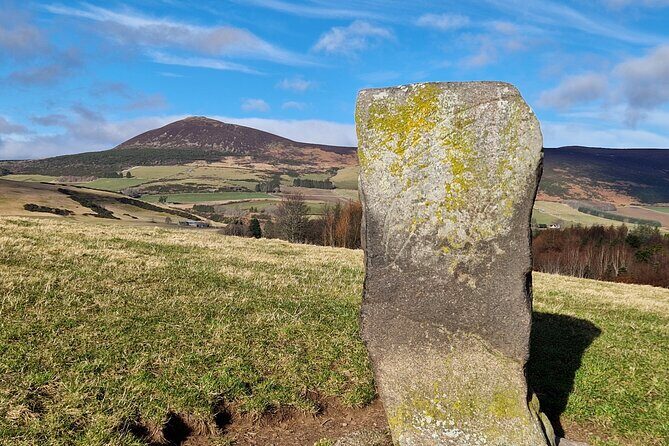
- You’ll also visit Crawstane, a lone standing stone that the tour says was once at the center of a settlement believed to have had trade across the Mediterranean and significant wealth.
And there’s a change-of-era thread too. The tour explains how the King of the Scots altered Scotland’s cultural landscape and how that contributed to the downfall of the Picts. Even if you’re fuzzy on dates, the story helps you connect why older traditions didn’t just fade—they were replaced or reshaped.
What to expect: this stop is about 1 hour, which gives you time to look closely at carvings and listen without feeling rushed.
Bellabeg lunch break near the Doune of Invernochty
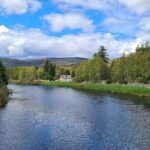
After the stone-heavy morning, you get a reset with lunch near Bellabeg. This stop is tied to the foot of the Doune of Invernochty motte and bailey castle, and it’s set in the Cairngorm National Park, so it feels like a break in both pace and scenery.
The village setting is described as charming and ideal for a picnic. If the weather behaves, it’s a pleasant moment to do something simple: eat by the river or take a stroll through the country lanes.
Lunch is flexible:
- You can purchase lunch in Insch or Bellabeg, or
- Bring your own picnic lunch.
A cooler is provided if you bring food.
Practical tip: because lunch isn’t included, treat this as a chance to plan what you’ll want to eat before the walking ramps up again. Pack something easy if you’re bringing a picnic, since you’ve got the option to browse in the area but you don’t have a built-in lunch purchase stop at a set time.



Tomnaverie Stone Circle: recumbent design and 4,500-year questions
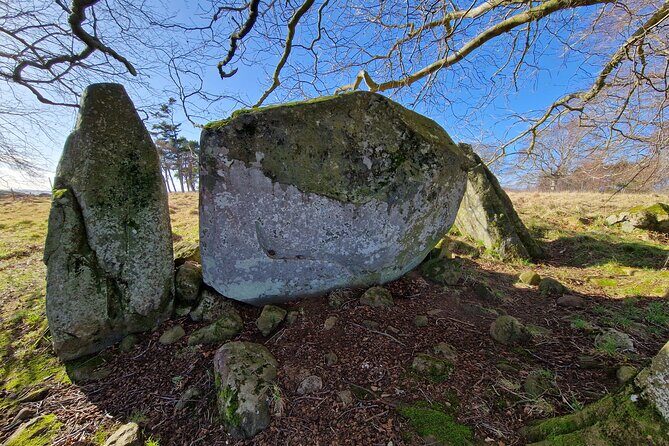
The final site is Tomnaverie Stone Circle, described as a recumbent stone circle type found only in northeast Scotland. If you’ve never seen one, the design is the star.
Here’s the shape you’ll notice:
- A large stone lying on its side (recumbent),
- Flanked by two upright stones,
- With standing stones completing the circle.
It’s also near a burial cairn dating to about 4,500 years ago, which adds another layer to the “what was this for?” question. The tour points out that relatively little is known about why these structures were built, and that there are several theories—exactly the kind of uncertainty that keeps stone circles interesting.
The stop is short, about 30 minutes, but it’s timed well as a closer. By then, you’ve already seen hillfort defenses and Pictish stones, so you can compare how people used terrain and symbols across different periods.
What to watch for: it’s a final outdoor stop, so dress for the day’s weather. Even when it’s sunny, wind can make open-air sites feel colder.
Value at $135.49: what you’re really paying for
At $135.49 per person for roughly 7.5 hours, the price can look steep at first glance. But when you break it down, it adds up in ways that matter.
You’re paying for:
- Transportation and a structured day, so you don’t have to stitch together a long route yourself
- Multiple heritage stops across the northeast Aberdeenshire area
- Free admission at the listed sites (each stop notes an admission ticket free entry)
- A guided explanation focused on heritage and folklore, not just a drive-by photo stop
- The small group limit (max 7), which improves the quality of interaction
- WiFi on board and a mobile ticket, which make the day smoother
If you’re the type who likes knowing what you’re looking at—why a fort is where it is, why a stone circle has that layout, what carved symbols might mean—this format gives you more value than a generic half-day bus tour.
Jacqueline’s guiding style: personalization that doesn’t feel forced
A big reason this tour earns high marks is the guide approach. The leader is Jacqueline, and the day can be more flexible than you might expect from a heritage tour.
In at least one documented experience, the group ended up as a solo visit, and Jacqueline adjusted the day to what the traveler wanted to focus on. That kind of responsiveness matters, especially on a folklore and symbolism route where your interests could swing toward carvings, defenses, or the stories tied to decline and cultural change.
There are also examples of the day expanding beyond the strict sites into extra Scotland texture, like a sea-view viewpoint with wildlife (including puffins and seagulls), plus stops such as a whiskey brewery and a castle. That doesn’t mean every day includes those extras, but it tells you the guide is listening and willing to tailor when there’s room in the plan.
So if you book, you’ll get better results if you come with a couple of priorities:
- Are you more into hillfort defenses and settlement size?
- Or do you want the stone carvings and meanings?
- Or do you like the story of how the Picts changed as Scottish power shifted?
Ask early. You’ll get more out of the day.
What to bring and how to pace yourself on the hills
This tour advises a moderate physical fitness level and says it’s not recommended for travelers with mobility issues. You’re not doing a marathon, but you are going up and down around hillforts.
For the hill sections, it suggests bringing walking poles. It also notes that some poles may be available to borrow on the day, but don’t count on it as your only plan. If you use poles regularly at home, bring yours.
Other useful basics:
- Shoes you trust on uneven ground
- A layer for wind (open stone sites can feel cooler)
- A way to keep water handy
- If you’re bringing lunch, use the provided cooler and pack something you can eat without turning lunch into a project
And if you’re worried about whether you’ll “fit” on the walking portions, it’s smart to contact the operator before booking. They mention adjustments can be made if needed.
Who this tour suits best (and who should skip it)
This is ideal for you if:
- You like archaeology that explains how people used terrain
- You want stone circles and carved symbols without needing to decode everything yourself
- You enjoy folklore-style storytelling alongside the historical framework
- You prefer a small group day where you can ask questions
You might skip it if:
- You need very low-walking sightseeing
- You have mobility limitations that make hill sections difficult
- You want a purely indoor or museum-style experience
Should you book the Ancient Heritage and Folklore tour from Aberdeen?
I’d book it if you’re looking for a Scotland day that feels real and specific. The mix of Pictish carved stones, hillfort scale at places tied to Tap O’Noth, and the distinctive recumbent stone-circle design at Tomnaverie gives you a day with variety that doesn’t feel random.
The main deciding factors are your comfort with hill walking and your interest in older northeast Scotland stories. If you’re okay with uneven outdoor ground and you want your guide to help connect symbols, defenses, and folklore into a single picture, this is a strong choice.
FAQ
Where is the meeting point for this tour?
The tour meets at the William Wallace Statue on Union Terrace, Aberdeen (AB10 1NP). It ends back at the same meeting point.
What time does the tour start?
The start time is 9:00 am.
How long is the tour?
It runs for approximately 7 hours 30 minutes.
How much does the tour cost?
The price is $135.49 per person.
Is lunch included?
Lunch is not included. You can buy lunch in Insch or Bellabeg, or bring a picnic. A cooler is provided for picnic lunches.
Are there admission fees for the stops?
The stop information indicates admission ticket free for each listed site.
Is WiFi provided?
Yes. WiFi on board is included.
How big is the group?
The tour has a maximum of 7 travelers.
Is this tour suitable for mobility issues?
It’s not recommended for travelers with mobility issues. It includes hill walking with moderate fitness expectations.
Do I need walking poles?
The tour suggests bringing walking poles for the hill sections because there are some steep parts. Some poles may be available to borrow on the day.
Does the tour depend on weather?
Yes, the experience requires good weather. If it’s canceled due to poor weather, you’ll be offered a different date or a full refund.
If you tell me your walking comfort level and what you’re most excited about (Pictish carvings, hillforts, or stone circles), I’ll help you judge if this day will feel like a win for you.