REVIEW · INVERNESS
Discovering Inverness: A Self-Guided Audio Tour of the Capital of the Highlands
Book on Viator →Operated by VoiceMap Audio Tours · Bookable on Viator
Inverness feels best at your own speed. This self-guided audio walk lets you start at Inverness Cathedral and wander past river scenes, bridges, and landmarks with turn-by-turn help. I like that you can pause, resume, and even step off the route without ruining your day.
Two things I really like: the offline, lifetime access means you do not need mobile data to keep the story going, and the route is designed for a steady walking day through central Inverness. The stop-and-go style is great if you like photos, short detours, or a quick chat in a nearby street.
One thing to consider: Inverness Castle can be closed for restoration, and the audio may not perfectly match the situation on the ground. You can usually work around it, but plan for a little extra walking if the path around the castle area changes.
In This Review
- Key things to know before you press play
- Walking Inverness at Your Pace (and Why That Matters)
- Price and practical logistics: what you’re paying for
- What to bring, how long it takes, and how to avoid a dead-phone day
- Stop-by-stop: Inverness Cathedral to the Greig Street Bridge
- Old High Church and Leakey’s Bookshop: the stops that slow you down
- Abertarff House, Inverness Town House, and the Castle area reality check
- War Memorial to Ness Islands to Eden Court: the payoff stretch
- App experience: why VoiceMap works so well for this route
- Who should book this self-guided Inverness walk?
- The Castle closure issue: how to handle it without losing the day
- Should you book this tour?
- FAQ
- How much does the Inverness self-guided audio tour cost?
- How long does the tour take?
- Do I need internet during the walk?
- What language is the audio tour in?
- What do I need to bring with me?
- Where does the tour start and does it end nearby?
Key things to know before you press play

- Offline lifetime audio through the VoiceMap app, so you can keep moving even with patchy signal
- Start/stop flexibility when and where you want, so you can take breaks without feeling rushed
- Route guidance that helps when you drift off course, letting you rejoin the walk later
- A central highlights route from Inverness Cathedral through the town core, toward the Ness Islands
- Smartphone-based experience where headphones and your device are on you, not included
- A realistic detour risk around Inverness Castle if access is limited during restoration
Walking Inverness at Your Pace (and Why That Matters)
This tour is built for people who do not want a fixed group schedule. You load the VoiceMap audio on your phone, then follow the walking route through central Inverness. You can stop for a view, duck into the shade, or linger at a doorway long enough to read something interesting. No need to keep pace with strangers or worry about missing a spoken moment.
For $9.99 per person, the value is less about speed and more about control. You are paying for a guided explanation of what you are seeing, delivered when you want it, with the bonus that the download stays available for later trips. If you tend to do one big walking plan per day (and hate feeling boxed into a timetable), this format fits.
It also makes sense for days when indoor plans get complicated. Inverness has its share of days when attractions shut early or events change normal opening patterns. With this, your plan is still mostly intact because the best parts of the tour are outside along streets and river paths.
You can also read our reviews of more guided tours in Inverness



Price and practical logistics: what you’re paying for

Here’s the straight math of what you actually get:
- Audio in English, with lifetime access
- VoiceMap app support on Android and iOS
- Offline access to audio, maps, and geodata
What you do not get:
- Your smartphone and headphones are on you
- No tickets for museums or paid sights
- No transportation, no food/drink
So the $9.99 is really for the guidance plus offline support. If you already like walking and you want context for the places you pass, it’s a solid deal. If you want a fully hosted experience with entrances and tickets included, this is not that.
A small planning note: it’s typically booked about 15 days in advance on average, so if you’re traveling in peak season, grab it sooner rather than later.
What to bring, how long it takes, and how to avoid a dead-phone day
The official route length is roughly 1 hour 15 minutes to 1 hour 30 minutes. In real life, walking tours like this often run longer if you pause for photos or want to step into a shop window for a few minutes. One of the smartest things I’d do is budget closer to 2 hours if you like a relaxed pace, and give yourself extra time if you take breaks.
To use the tour smoothly, bring:
- A charged smartphone
- Headphones (required for audio)
- If you can, a portable charger. The app can feel heavy on the phone battery, especially with maps running.
The app also supports the key rhythm of the tour: it’s designed so you can step away from the route and later pick up again. That’s helpful if you hit a closed section, a temporary crowd, or a street detour.
You get back where you started too. The tour starts at Inverness Cathedral and ends back at the meeting point, which makes it easy to plan dinner afterward.
Stop-by-stop: Inverness Cathedral to the Greig Street Bridge
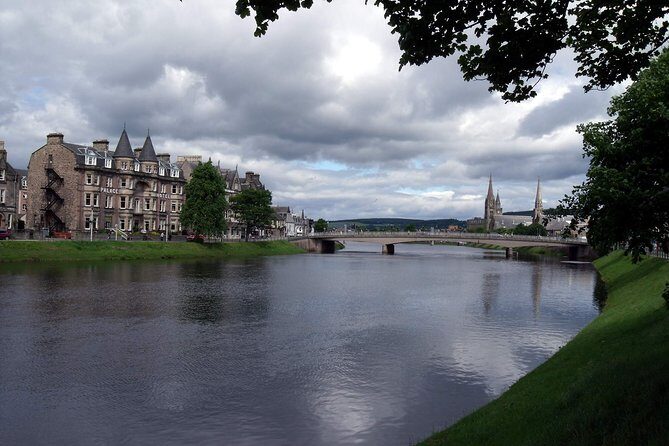
The walk begins at Inverness Cathedral, dedicated to St Andrew, on Ardross Street. Even if you’ve seen cathedrals in other cities, this one gives you a local anchor point. It’s a good start because it tells your brain you’re in Inverness now, not just passing through.
From there, you move through the center of town. You’ll pass the Highland House of Fraser, a useful marker for the commercial heart of Inverness. This isn’t just a shop stop; it’s the kind of landmark that helps you understand the city layout quickly. If you arrive in town and feel disoriented, you’ll appreciate how the route gets you oriented fast.
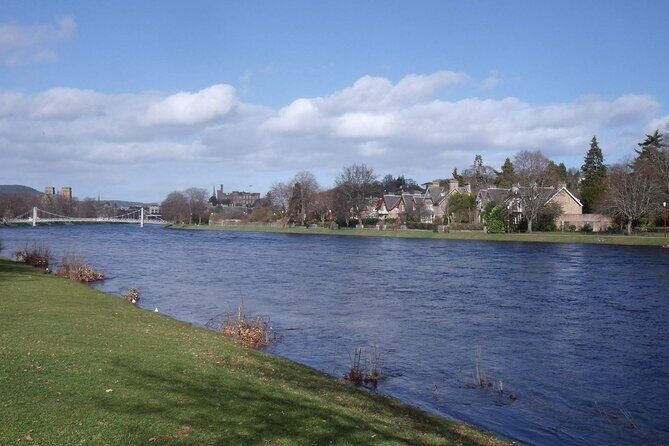
Then the tour shifts toward the riverside. This is where the walking gets more pleasant. The river setting adds breathing room, and the audio helps you connect the city’s present with its past—without turning the day into a lecture.
Next comes Greig Street Bridge. Bridges are great audio anchors because they frame the river in a new way and force you to look both ways—upstream and down. The guide’s pacing here is helpful. You get a change in scenery before the walk continues, so your brain stays interested even on a straightforward route.
If you like a clear walking plan, this first stretch is the reason. It gently moves you from landmark-to-landmark while keeping the route easy to follow.
Old High Church and Leakey’s Bookshop: the stops that slow you down
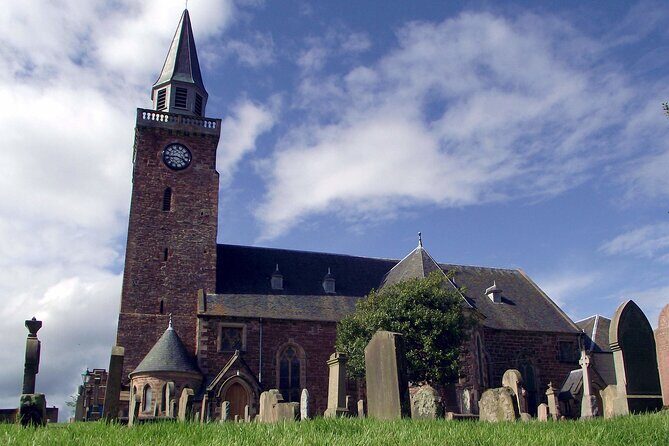
After the bridge, the tour briefly stops by the Old High Church. This kind of stop is perfect for a self-guided audio format. You pause, listen, and then keep moving. You do not have to hunt for context later because the audio gives you something to carry forward.
From there, you get the chance to stop in front of Leakey’s Bookshop. A bookshop stop might sound small, but it’s actually one of the most enjoyable parts of this style of tour. In a place like Inverness, it helps you feel the town’s everyday culture, not just the big-photo monuments.
If you want to make the tour even better, keep your eyes open for what’s right around these stops. The story is in the buildings, sure, but it’s also in the street rhythm—where people walk, where they linger, and where the city feels lived in.
A few more Inverness tours and experiences worth a look


Abertarff House, Inverness Town House, and the Castle area reality check

Next you pass Abertarff House and then Inverness Town House. These stops work well because they keep you close to the city’s administrative and residential energy. They also help you notice architectural differences that you might otherwise miss when you are just trying to cover ground.
Then comes Inverness Castle. This is the emotional high point for a lot of people, and it also comes with the most real-world friction. The castle can be closed due to restoration, and the audio on a self-guided tour may not perfectly match the exact access situation at the time you walk by.
Here’s my practical advice: treat the castle area as a viewpoint moment rather than a ticketed destination. If the route is affected, you can still follow the audio and then rejoin the walk at the next clear point. The app is designed to help when you go off course, so you’re not stuck staring at a barrier with nothing to do.
If you’re the kind of traveler who hates change-of-plan moments, this might be the only part that feels slightly annoying. If you can roll with a detour, it becomes part of the authenticity. You’re seeing a living city where restoration happens, not a museum diorama.
War Memorial to Ness Islands to Eden Court: the payoff stretch
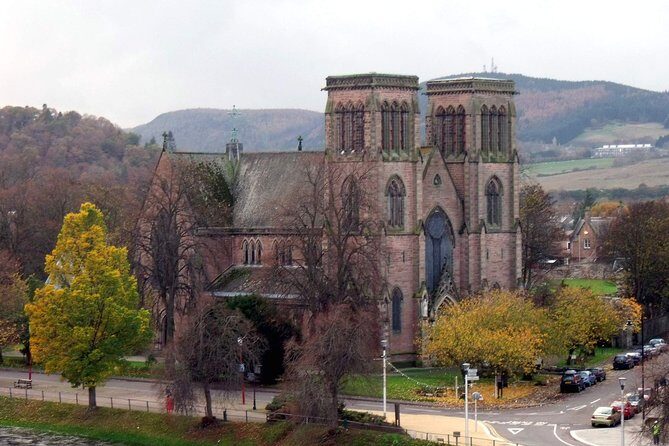
After the town-center buildings, the tour passes the Inverness War Memorial. This stop is a good moment to slow down even more. A self-guided format works here because it gives you a quiet second to absorb the message without pressure to keep moving with a crowd.
From there, you head toward the Ness Islands. This stretch is where the walk turns scenic in a more obvious way. The river and island area give you that classic Inverness feeling—open views and a sense of space compared to the street-grid sections earlier in the day.
You’ll also pass Eden Court, a known local venue. Even if you’re not going to a show, it helps to have it pointed out. It makes the city feel like more than just a set of sights. It’s where life happens on nights and weekends, not just during daytime photo hours.
Because the route ends back at the cathedral, you finish with a clean loop. That means you can decide afterward: do you want a calm drink near the center, a longer wander on your own, or an easy return to your base?
App experience: why VoiceMap works so well for this route
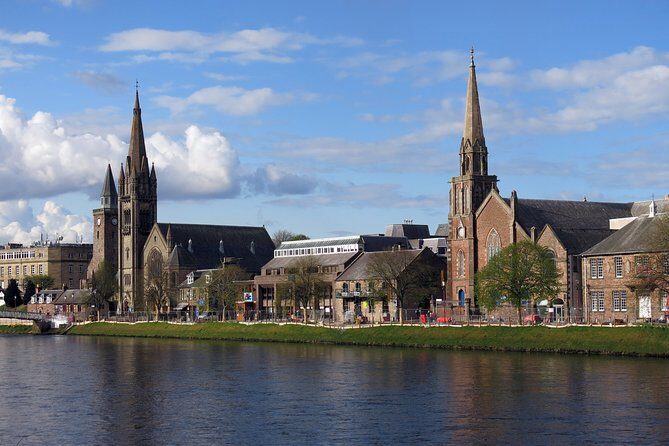
The biggest win of this tour is that it respects your attention span. The audio is there when you need it, not when you’d rather just look at the views. You control when you start and stop, and the guidance is built to help you get back on track.
It also supports offline use, which is a big deal in Scotland’s towns where signal can be inconsistent depending on where you’re standing. You can keep maps and the audio running without constantly checking your data settings.
One small caution: because everything is on your phone, plan for battery life. Bring a charger if you can. It’s the difference between a smooth day and a frantic one.
Who should book this self-guided Inverness walk?
This tour is a strong match if you:
- Want a walking plan that gives context without locking you into a group schedule
- Like knowing what you’re looking at while you move through streets and along the river
- Prefer flexibility when paths are busy or access changes
- Want something simple to do even if other plans fall through
It’s also useful for solo travelers, couples, and small groups because it’s effectively private—your group is the only one using that tour audio on that device flow.
If you’re traveling with limited energy, you can still make it work because you can pace it yourself. Just remember the duration is approximate, and if you walk slower, plan for longer.
The Castle closure issue: how to handle it without losing the day
The only recurring snag I’d plan for is the situation around Inverness Castle. Restoration closures can change access, and if the audio isn’t updated to match, you might encounter a route barrier.
Here’s how to handle it smart:
- Treat the castle as a viewpoint and story stop, not a must-see interior
- If access is blocked, keep listening and follow the app guidance to the next usable point
- Allow extra time near the castle area in case you need to reroute
The good news is that this style of tour is built for rerouting. You’re not expected to read every street sign or memorize where to go. The audio helps you stay oriented.
Should you book this tour?
Yes, if you want a practical way to understand central Inverness on foot—especially if you value flexibility and offline access. The route hits the key areas you’d want anyway: cathedral start, town sights, riverside views, the Ness Islands, and the Eden Court area. For $9.99, you’re buying a guided walk that can turn a plain stroll into a connected story.
Skip it only if you need paid entry sites, expect the castle interior as part of the experience, or you do not want to rely on your phone for navigation and audio. Since headphones and your device are not included, you’ll want to be ready with gear.
If you’re the type who likes to stop when something catches your eye—this tour is built for you.
FAQ
How much does the Inverness self-guided audio tour cost?
It costs $9.99 per person.
How long does the tour take?
Plan for about 1 hour 15 minutes to 1 hour 30 minutes, though your pace and stops can make it longer.
Do I need internet during the walk?
No. The tour includes offline access to audio, maps, and geodata, with lifetime access.
What language is the audio tour in?
The tour is offered in English.
What do I need to bring with me?
You need to bring your smartphone and headphones. The app is used on Android and iOS, and you’ll listen through your device.
Where does the tour start and does it end nearby?
The tour starts at Inverness Cathedral (St Andrew, Ardross St, Inverness IV3 5NN) and ends back at the same meeting point.