REVIEW · SOUTHERN SCOTLAND
Doon The Watter
Book on Viator →Operated by Wreckspeditions · Bookable on Viator
A trip on the Clyde can feel like time travel. This Doon The Watter boat outing links wildlife spotting with local stories, with views out toward Dunoon’s old travel piers and the ruins of Dunoon Castle. I like that it is a tight, one-hour format that still packs in sea-life chances and real place-making details.
Two things I especially appreciate: you get binoculars plus wildlife ID cards, so you can actually track what you see, and the guide’s storytelling brings the river to life beyond the usual sightseeing patter. My only caution is the weather: Clyde conditions can turn chilly or wet, and the tour does not include wet-weather clothing.
If you’re ready to dress for the water and keep your eyes peeled, this is the kind of short trip you’ll remember for the motion, the views, and the small facts you won’t get from a guidebook.
In This Review
- Quick hits before you go
- Why Dunoon on the Clyde feels like a shortcut to the stories
- The RIB ride: speed, wildlife odds, and what’s actually provided
- Stop for Dunoon Castle ruins: a short walk with big views
- Piers, Victorian travel, and the stories you’ll remember on the ride
- Price and value: what $274.22 per group really buys you
- Weather, wet gear, and how to dress for the Clyde
- Who should book this: families, wildlife spotters, and history fans
- Should you book Doon The Watter?
- FAQ
- Where does the Doon The Watter tour start?
- How long is the boat trip?
- What’s included in the price?
- What should I bring?
- Is it a private tour?
- What if the weather is poor?
Quick hits before you go
- Porpoise and seals are a real target, not a hope-and-a-prayer
- Private group means it stays calm, focused, and tailored to your pace
- Binoculars + wildlife ID cards help you spot and identify what’s out there
- A shoreline stop for Dunoon Castle ruins gives you a quick stretch and a big-water view
- The ride is built around wrecks and local maritime stories
- Bring your own wet-weather gear since it’s not included
Why Dunoon on the Clyde feels like a shortcut to the stories
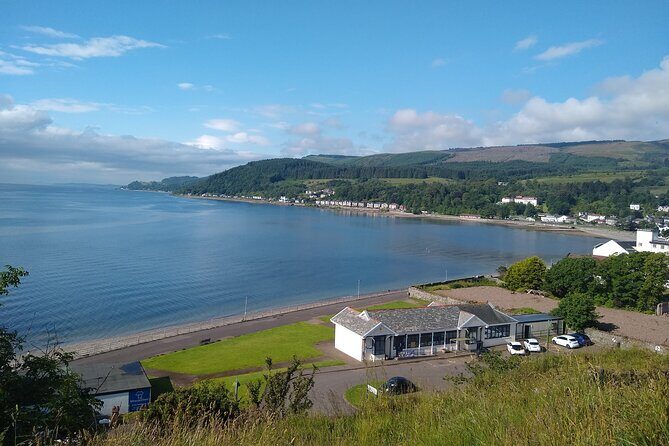
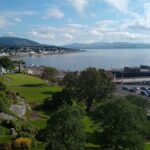
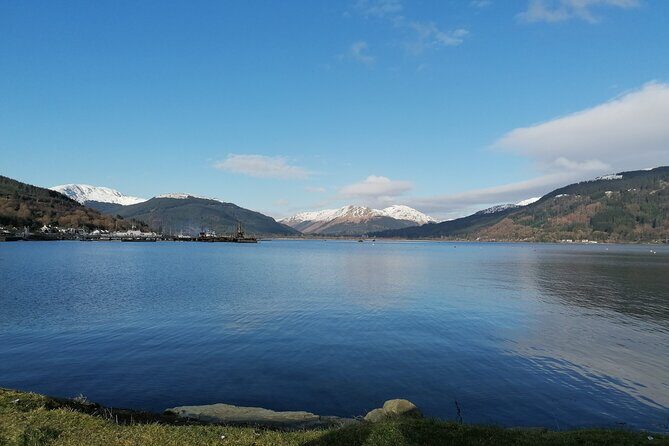
Dunoon sits right on the water facing the Clyde, and it has that classic Southern Scotland rhythm: sea air, hills close by, and a shoreline that has seen tourists come and go for generations. On this outing, you start with an approach that frames Dunoon like a launch point, not just a dot on a map.
One reason I like this setup is that it turns transit routes into context. The route passes piers that once handled travelers heading to and from Glasgow from Victorian-era towns such as Blairmore, Kilcreggan, and Rothesay. That matters because when you later hear what the river meant to working people and visitors, it clicks faster.
You’ll also get holiday-destination energy in the background. Dunoon was a go-to break for people from the central belt, and the tour name Doon The Watter is basically the local idea of heading down toward the river for time away. If you enjoy places with layered use over time—work, travel, leisure—this route scratches that itch.
A small drawback: if you’re expecting big landmark stops every few minutes, this is more about motion, viewpoints, and guided context than a bus-style checklist.
You can also read our reviews of more tours and experiences in Southern Scotland.
The RIB ride: speed, wildlife odds, and what’s actually provided
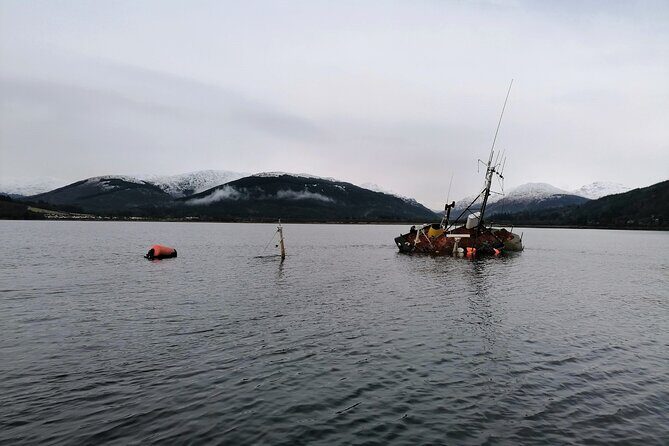
This is an approximately 1-hour experience on the water, run as a private group activity for up to 7 people. That short window is a plus for value and energy—especially with families—but it also means the ride has to do the work. You spend your time out where wildlife might show, not sitting around.
The operator includes the practical gear you need to feel secure and to spot animals:
- Lifejackets
- Binoculars
- Wildlife identification cards
Those cards are more than a prop. They help you move from spotting something generic like a sea bird shape to having a better shot at identifying what you’re seeing. And because you’re given binoculars, you’re not squinting at the horizon like it’s a cartoon.
From the vibe on the water, the ride can feel brisk—people mention the fun of the high-speed style on the Clyde, and that the guide keeps things safe and keeps kids happy. You should still consider whether you’re comfortable on a fast, open boat when the water is a bit choppier. If you tend to get seasick, bring your usual strategies and dress for spray.
Wildlife chances are a core reason to book. You’re specifically aiming to spot seals and porpoise, and the wider area also supports sea birds. When conditions line up, it can get very exciting very fast—like when you see activity close enough that it feels personal.
Stop for Dunoon Castle ruins: a short walk with big views
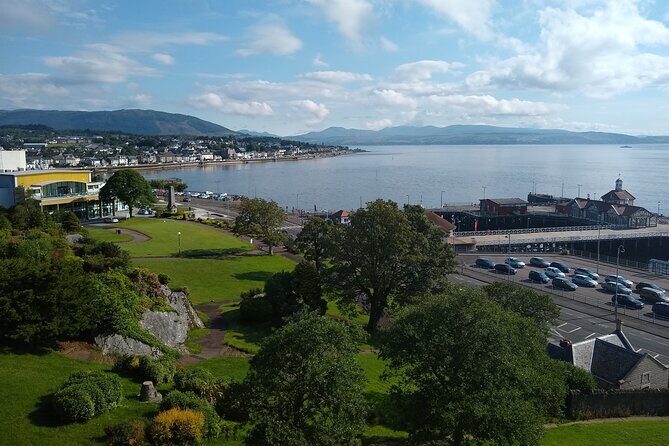
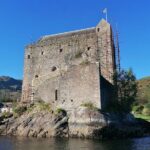
The itinerary includes a stop at Dunoon Castle ruins, perched high on a mound dating back to the 12th century. From the water, you get a strong visual anchor—ruins on a rise—so you can orient yourself to the shoreline before you head ashore.
Then you can step out and do a quick walk up to the summit. The stop is short—about 5 minutes—and you’ll be looking down toward the Clyde. That brief stretch is handy if you’ve been on boats before and want one land moment that isn’t a full hike.
One practical thing: it’s noted as admission ticket free for this portion, so you’re not juggling extra entry costs. The trade-off is that the stop is brief, so if you love archaeology and want a longer deep look, this won’t scratch that itch alone. It’s a viewpoint break, not a guided museum visit.
If your group includes kids, this stop is often a good pacing tool—something to do besides watch the water.
Piers, Victorian travel, and the stories you’ll remember on the ride
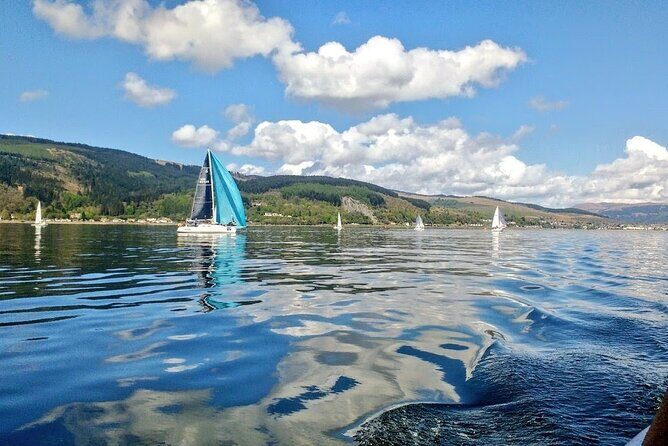
This is where the experience becomes more than wildlife spotting. The guide ties the scenery to the people who lived and worked along this stretch of the Clyde. You’ll hear why the river mattered, how travel worked, and how the piers connected communities.
The strongest thread is the movement between Glasgow and the Victorian-era holiday towns. As you pass the piers once used by travelers heading to and from Glasgow, you can almost picture the daily flow—boats, schedules, people in coats, and the excitement of getting away. Even if you don’t know the story before the trip, the guide makes it easy to understand what you’re looking at.
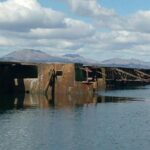
You’ll also get stories linked to maritime remains—people mention seeing wrecks and learning the backstory of how they sank. Those details matter because they turn a rough patch on the water into a specific event with cause and consequence. You might not catch all the technical facts, but you’ll come away with a clearer sense of how this coastline has always been shaped by weather, work, and risk.
If you like your travel with context—just enough history to make the view meaningful—this is a great match. If you want strictly wildlife with zero narration, this may feel like too much talking during part of the ride. In practice, it’s usually timed so you can watch while listening.
Price and value: what $274.22 per group really buys you
The price is $274.22 per group, for up to 7 people, for about 1 hour on the water. That sounds like a lot until you do the math.
- If you fill the group with 7 people, you’re looking at about $39 per person.
- If you go as a smaller group, your per-person cost climbs fast.
That’s why this trip is best value when you can travel with friends, family, or another couple and split the group price. The private format is the key feature you’re paying for: only your group participates. You’re not sharing boat time with strangers, which helps keep questions clear and attention focused when you’re trying to spot a moving animal on the water.
What you get for that money also matters. You’re not bringing your own lifejackets or binoculars, and you get wildlife ID support included. Plus, the guide is invested in the local area—people mention strong local knowledge, careful hosting, and a genuine conservation mindset.
A note for solo travelers: it’s still a fun private option, but the cost will likely feel steeper than shared tours. If that’s you, consider going with at least one other person to get the value closer to the sweet spot.
Weather, wet gear, and how to dress for the Clyde
This experience requires good weather, and the operator will offer a different date or a full refund if the trip is canceled due to poor weather. In other words, conditions matter, and you should expect that.
Even when the forecast looks fine, Clyde weather can shift quickly. You’re on open water, and you can get spray. Wet-weather clothing is not included, so plan to bring your own gear. I strongly suggest a water-resistant layer and something warm underneath. If you own a proper waterproof jacket and trousers, this is exactly the kind of trip where they get used.
In reviews, people mention chilly wind and windy winter conditions, but they still had a good time when the ride ran. That lines up with how the area works: you can have a great outing even when the air is cold, as long as you’re dressed for it.
Also consider comfort. If you’re sensitive to cold, bring gloves and keep a scarf handy. If you’re with kids, warm layers are not optional. A boat ride can be fun and still feel long if everyone is shivering.
Who should book this: families, wildlife spotters, and history fans
This fits best if you want a short, high-attention trip. It’s ideal for:
- Families who like action and movement
- Wildlife spotters who want a real chance at seals and porpoise
- Anyone who enjoys local maritime stories tied directly to what you see
- Small groups who want privacy instead of a larger shared tour
The tour is listed as suitable for most travelers, and service animals are allowed. It’s also near public transportation, which can make it easier to reach Holy Loch Marina without a full car plan.
One thing to consider: since it’s a RIB-style ride with speed at times, you should book with confidence only if you’re comfortable on a fast boat. Most people find it fun, but your own tolerance for speed and spray matters.
Should you book Doon The Watter?
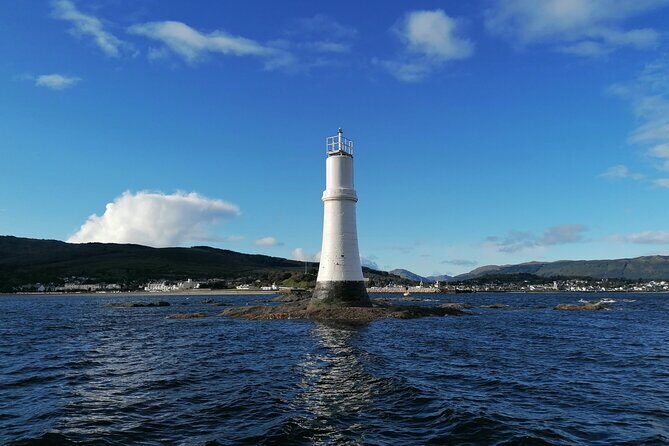
Book it if you want a one-hour Clyde experience that combines wildlife spotting with genuinely local storytelling, plus a short ashore break at Dunoon Castle ruins. I’d also book it if you like value that scales with group size—this price works best when you can fill the group and split the cost.
Skip it (or at least rethink) if you want a long, slow sightseeing day, or if you know you’re not comfortable in cold, wet, and fast boat conditions. Also, if your goal is strictly wildlife and you dislike narration, you’ll want to manage expectations.
For many visitors, this tour hits a sweet spot: short enough to fit a busy itinerary, structured enough to feel satisfying, and flexible enough that weather-driven changes are part of how the day is managed.
If the forecast looks workable and you can bring your own wet-weather gear, Doon The Watter is a smart, memorable choice from the Holy Loch area.
FAQ
Where does the Doon The Watter tour start?
It starts at Holy Loch Marina (2 A815, Sandbank, Dunoon PA23 8QB, UK). The activity ends back at the meeting point.
How long is the boat trip?
The duration is approximately 1 hour.
What’s included in the price?
The tour includes lifejackets, wildlife identification cards, and binoculars.
What should I bring?
Wet weather clothing is not included, so bring your own. It is also a good idea to dress for cold wind and spray since you’ll be on open water.
Is it a private tour?
Yes. It is a private tour/activity, so only your group participates.
What if the weather is poor?
This experience requires good weather. If it’s canceled due to poor weather, you’ll be offered a different date or a full refund. Free cancellation is available up to 24 hours in advance for a full refund.