Wild scenery, one iconic train ride, and a jam-packed week of history. This 5-day Highlands and Isle of Skye trip from Edinburgh strings together the big hitters without you needing to drive, plan, or wrestle with public transport timetables.
I really like the value mix here: you’re not just sightseeing by coach. You also get the ferry to Skye, a Loch Ness boat cruise, a whisky distillery stop, and the Jacobite Steam Train ride as part of the core plan. I also like the group-friendly pace and the way the day is structured around pre-planned stops, so you’re free to focus on the views and the stories.
One thing to consider: it’s a short schedule. Most stops are timed, so you’ll want to be ready to walk quickly from coach drop-off to the main sights—great for motion, less ideal if you want long, slow museum time everywhere.
In This Review
- Key highlights I’d circle
- Entering The Tour World From Edinburgh: Kelpies, Callander, and Glencoe
- Jacobite Steam Train and the Skye Crossing: Fort William, Glenfinnan, Mallaig
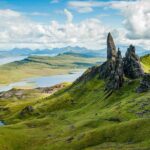
- Isle of Skye’s Best Hits: Old Man of Storr, Lealt Falls, Kilt Rock
- Loch Ness and Culloden: Boats, Priory, Battles, and Cairns
- Blair Athol, Dunkeld Cathedral, and Highland Folk Museum on the Final Day
- How the Pace Works: Short Stops, Long Roads, and Train-Time Magic
- Your Hotel Nights and What’s Included (So You Can Budget Realistically)
- Price and Value: Is $1,330.06 Worth It for Five Days?
- Who This Tour Suits Best (and Who Should Rethink It)
- Should You Book This Scotland in 5 Days With the Jacobite Train?
- FAQ
- FAQ
- What’s the main start time and how long is the trip?
- What’s included in the price besides the coach transport?
- Are tickets for all attractions included, like Eilean Donan Castle and Culloden?
- Are lunch and dinner included?
- How much luggage can I bring?
- Can I upgrade the Jacobite Steam Train ticket to First Class?
Key highlights I’d circle
- Jacobite Steam Train Fort William to Mallaig is the big-ticket moment, timed for that classic Glenfinnan viaduct view
- Loch Ness boat cruise helps you see more than just the shoreline
- Skye stops with real variety from cliff scenery (Quiraing) to rock formations (Old Man of Storr, Kilt Rock)
- Eilean Donan Castle and Culloden Battlefield add the historical weight to the natural scenery
- Dundreggan Rewilding Centre is a meaningful stop that feels different from the usual castle-and-coast rhythm
- Small-ish group max of 30 keeps things social without turning into a bus-load of chaos
Entering The Tour World From Edinburgh: Kelpies, Callander, and Glencoe
Your day starts in Edinburgh at 8:30 am at Highland Explorer Tours on High St. You’ll board an air-conditioned midi-coach with an English-speaking Scottish guide, then hit the road. The first day sets expectations fast: this trip is built for moving through Scotland’s most photogenic parts in a tight window.
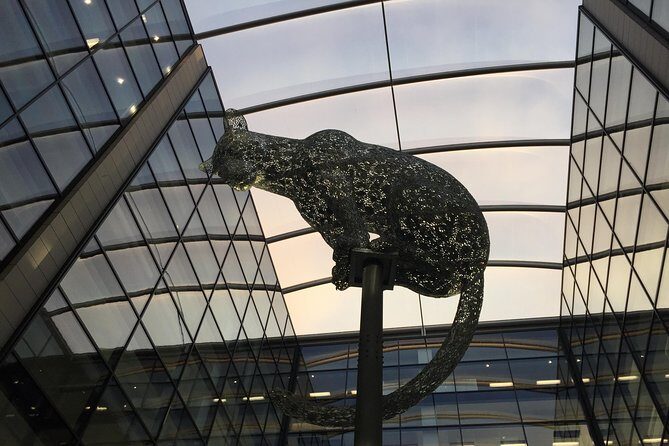
The Kelpies & The Helix is a fun opener. These equine sculptures are huge, modern, and playful—part horse-powered history, part myth. It’s also a nice warm-up before the “brooding Highlands” tone kicks in later.
Next comes Callander, a Highland village stop with a coffee break. It’s short, but it’s useful. After you’ve sat on the coach, a quick pause lets you reset before you go into the heavier landscape days.
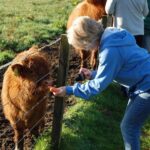
Then you roll toward Kilmahog for a brief look at the hairy coos (Scottish Highland cattle). This is one of those stops that doesn’t need to be long to feel special. It’s quick, it’s local, and it gives you that instant sense of being somewhere real rather than just passing through.
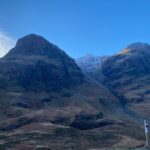
Finally, Glencoe closes Day 1. It’s a dramatic stretch with a strong story attached—famous for film backdrops and for the 1692 massacre tied to the MacDonald Clan. You usually won’t have time to fully absorb every layer of place-and-history here, but the timing works. You get the emotional atmosphere, and then the tour keeps going.
Why this first day matters for your trip: it balances “wow” (Kelpies, coos, Glencoe) with low-stress breaks. That means Day 2, when the schedule gets more intense, you’re not already exhausted.
A few more Edinburgh tours and experiences worth a look
Jacobite Steam Train and the Skye Crossing: Fort William, Glenfinnan, Mallaig
Day 2 is where the tour earns its nickname for Harry Potter fans. You’ll leave by coach, arrive in Fort William, and then take the Jacobite Steam Train from Fort William to Mallaig. This is typically a two-hour block and includes time to enjoy the route’s big moments—especially the Glenfinnan viaduct scenery tied to the movies.
What I like about the way this is built: it’s not just “ride a train.” You get the classic track-and-viaduct view idea, plus the feeling of stepping into a different pace of travel. Even if you’re not chasing the pop-culture reference, it’s a memorable scenic ride.
When the train ends at Mallaig, you switch gears to the sea: the ferry over to Skye. The tour specifically notes a look-out chance for dolphins, which is never guaranteed, but it’s a good reminder to stay on deck and not rush back inside.
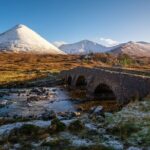
Skye’s Day 2 also includes a stop for the Quiraing view—those sharp cliff shapes on the Trotternish Peninsula. Even a short visit here can hit hard. You get the “how is this rock still standing” effect, and it makes Skye feel like another planet compared with Edinburgh’s stone-and-stairs vibe.
A small timing reality check: Quiraing and the rest of Skye day elements are usually quick photo moments, not long hikes. If you want long trails, you’ll need extra time on your own day later.
Isle of Skye’s Best Hits: Old Man of Storr, Lealt Falls, Kilt Rock
Day 3 is your classic Skye day: rock shapes, sea views, and quick hits that show what makes the island famous.
You start with The Old Man of Storr, a tall rock pinnacle you can spot for miles. The tour time here is short, which is why you’ll want comfortable shoes and a fast route in mind: you’ll get the “postcard” viewpoint and then move on.
Next is Lealt Falls, a waterfall stop in a lush coastal setting. This is one of those places where you’ll appreciate the mix of sound and motion. Even if you’re only standing briefly, it changes the pace from the stone-and-sky look at the Storr.
Then you see Kilt Rock, known for the vertical basalt columns that create the kilt-like pattern. It’s also a great example of how Skye’s geology becomes visual art—no explanation needed once you’re there.
Eilean Donan Castle follows. This is one of Scotland’s most recognizable castles and the type you usually only see from calendar angles. The tour includes time to look around, but admission is not included, so plan on an extra ticket if you want inside views.
After castle time, you stop for a comfort break at Invermoriston Falls. This is more practical than dramatic, but it’s part of why the day doesn’t collapse under the weight of its own sightseeing.
A standout later in the day: Dundreggan Rewilding Centre. The tour gives you time to learn about Trees For Life’s mission to restore Scotland’s ancient Caledonian forest. This stop is valuable because it connects the scenery you see to what’s changing behind the scenes. It also gives you a break from the standard “castle or battlefield” rhythm.
The best use of Day 3: treat it like a highlights reel. If you try to cram deep study into every stop, you’ll feel rushed. If you focus on the big shapes and stories, this day works beautifully.
Loch Ness and Culloden: Boats, Priory, Battles, and Cairns
Day 4 is split between natural mystery and historic intensity.
First up: Loch Ness with a boat cruise (included). If you’re hunting for the Nessie myth, this is the practical way to do it—less guesswork than just driving viewpoints. Even when the monster stays mythical, the loch experience is still worth it, and the time on water helps you feel what the area is like.
Next you visit Beauly Priory, built in the 1200s. The stop is short, but the style and stonework give you that “older than your calendar” feeling. You also get time to spend in Beauly as well, which is a nice change from pure scenic pull-offs.
Then comes Culloden Battlefield Visitor Centre. This is tied to the end of the Jacobite Rising, and the tour includes two hours at the site, which is decent for an exhibition and interpretation time. Admission is not included, so budget a bit if you want that full experience. Either way, the setting helps the history stick.
After that, you stop briefly at Clava Cairns, a Bronze Age circular chamber tomb cairn area near Inverness. Even a quick visit makes you feel how long humans have been shaping and naming the land around here.
What you’ll feel on Day 4: the tour shifts from awe to meaning. Nature is still here, but the emotional weight is deeper.
Blair Athol, Dunkeld Cathedral, and Highland Folk Museum on the Final Day
On Day 5, you slow down just enough to make the last stretch feel satisfying.
You start at the Highland Folk Museum for about two hours. This is a smart inclusion because it shifts the conversation from battlefields and castles to everyday life. It helps you understand what people actually did in Highland communities, not just what famous figures fought over.
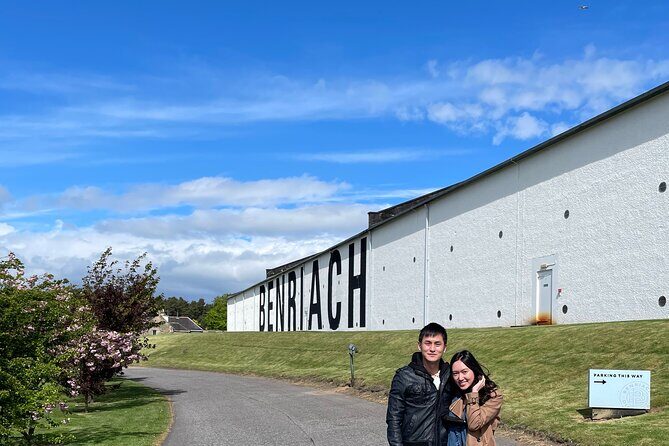
Then you head to Blair Athol Distillery for a whisky distillery tour with a tasting. The tour time is about an hour and the tasting component is included. If you’ve ever tried to read whisky labels on a store shelf and felt lost, this kind of stop is one of the easiest ways to connect the product to the place.
Next is Dunkeld, with time to see its cathedral. It’s a straightforward stop, but it’s also a good “wrap-up” point. You get a sense of Highland Scotland that isn’t only about wilderness.
Why I like the ending: it doesn’t just throw you back into Edinburgh sightseeing. It gives you one last “Scotland explains itself” stretch before the trip returns to the meeting point.



How the Pace Works: Short Stops, Long Roads, and Train-Time Magic
This isn’t a slow-travel tour. It’s a “cover the highlights” plan, which has benefits and trade-offs.
The good: you spend less time planning and more time actually seeing. You also have built-in breaks—coffee stop in Callander, quick stops for comfort, and a mix of short viewpoint moments paired with longer blocks like Loch Ness and Culloden.
The trade-off: you’ll often have limited time per location. If you want to wander side paths, join extra activities, or sit and read every interpretive panel, you may feel like you’re rushing. A couple of practical ways to handle this:
- Keep your layers on. Scotland weather can change quickly.
- Treat each stop like a mini-mission: one viewpoint, one key feature, then move.
- Bring some spare cash for optional admissions at places where ticket costs aren’t included (Eilean Donan and Culloden are two examples called out).
Also, the Jacobite Steam Train service can change at short notice. If that happens, you’ll have to rely on the operator’s updates, since it’s out of their control. The Loch Ness boat cruise also can be cancelled in extreme weather, with ticket refunds if you already bought the cruise ticket separately.
Your Hotel Nights and What’s Included (So You Can Budget Realistically)
You get 4 nights in a 3-star hotel or guesthouse, with daily breakfasts included. That’s helpful because it removes one of the biggest “where do we eat” headaches on a fast tour.
What’s not included is just as important: food and drinks are not included unless specified. With short lunch windows on several days, you’ll likely end up buying lunch on the go. Having a plan for quick meals helps. Think sandwiches, takeaway, pub snacks—things you can eat without losing your spot in the schedule.
The tour also includes a whisky distillery tour and tasting, Dundreggan Rewilding Centre, Loch Ness cruise, plus the major transport components:
- Round-trip transport by air-conditioned midi-coach
- Ferry ride to the Isle of Skye
- Jacobite Steam Train ride from Fort William to Mallaig
Why this matters for your budget: your ticket load is already handled for you. You’re not trying to coordinate separate trains, separate boat bookings, and separate tours in the middle of a five-day schedule.
Price and Value: Is $1,330.06 Worth It for Five Days?
At $1,330.06 per person, this isn’t a budget trip. But it’s also not just “pay for a seat on a bus.”
Here’s what you’re really paying for:
- Four nights with breakfast included
- Coach transportation across a lot of distance
- The ferry to Skye
- The Jacobite Steam Train portion
- Loch Ness boat cruise
- Whisky distillery tour with tasting
- Dundreggan Rewilding Centre visit
- Highland Folk Museum admission (included)
- Blair Athol distillery tour/tasting (included)
When you compare it to doing this independently, the biggest savings is time and coordination. The Highlands and Skye can be straightforward once you’re there, but the planning overhead for a five-day window is real—especially when you’re adding a specific train experience.
My take on value: it’s strongest if the Jacobite train is genuinely a must-do for you. It’s also strong if you want a structured trip with minimal driving. If you only care about one or two stops (say Loch Ness and Skye coast views), you might find cheaper ways to mix and match. But if you want the whole “greatest hits” route with lodging and breakfast included, this pricing fits the format.
Who This Tour Suits Best (and Who Should Rethink It)
This tour is a strong match if you:
- Want to see Edinburgh plus a major slice of the Highlands and Skye in one trip
- Care about the Jacobite Steam Train and want it without transport stress
- Prefer a guided plan, with a mix of viewpoints and history
- Like hotels/guesthouses and want breakfasts handled
It’s less ideal if you:
- Want long stays in museums and villages
- Hate short stop times and fast turnarounds
- Need lots of free time to roam deeply without a schedule
- Are trying to do everything at a relaxed walking pace (the tour is practical and motion-based)
Should You Book This Scotland in 5 Days With the Jacobite Train?
If the Jacobite Steam Train is on your must-do list, I’d seriously consider booking. It’s the kind of experience that’s hard to replicate on your own in a five-day window, and it anchors the trip with a memorable, Scotland-specific moment.
My only caution is expectations: this is packed. You’ll get a lot of Scotland, but not the slow, meandering version. If you’re good with timed stops, some optional admissions, and a “see the best and keep moving” rhythm, this is a solid way to do it from Edinburgh.
FAQ
FAQ
What’s the main start time and how long is the trip?
The tour starts at 8:30 am in Edinburgh and runs for about 5 days.
What’s included in the price besides the coach transport?
The tour includes 4 nights in 3-star hotels or guesthouses with daily breakfasts, plus the Jacobite Steam Train ride (Fort William to Mallaig), the ferry to the Isle of Skye, a Loch Ness boat cruise, a whisky distillery tour/tasting, and visits such as Dundreggan Rewilding Centre and the Highland Folk Museum.
Are tickets for all attractions included, like Eilean Donan Castle and Culloden?
Not all admissions are included. The plan notes that Eilean Donan Castle and Culloden Battlefield Visitor Centre admissions are not included.
Are lunch and dinner included?
No. Food and drinks are not included, unless specifically listed for a stop. Only breakfasts are included daily.
How much luggage can I bring?
You’re allowed one suitcase up to 33 lbs (15 kg) and one carry-on bag.
Can I upgrade the Jacobite Steam Train ticket to First Class?
No. The information provided says it’s not possible to upgrade a Standard steam train ticket to First Class.