REVIEW · EDINBURGH
6-Day Outer Hebrides and Isle of Skye Small-Group Tour from Edinburgh
Book on Viator →Operated by Rabbies Trail Burners · Bookable on Viator
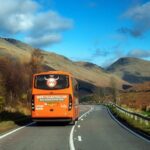
A Hebridean loop like this has a way of changing your pace fast. You swap Edinburgh crowds for Lewis and Harris wild coasts, ancient stones, and the big-sky look of Skye, all run on a small 16-seat Mercedes mini-coach.
What I like most is the mix of iconic stops (Arnol Blackhouse and the lighthouse-at-the-edge feeling at Butt of Lewis) with time that’s meant for real wandering, not just photo stops. I also like that your guide brings the place to life with history, legends, and practical calls when weather shifts, which is exactly how this part of Scotland works best.
The main drawback to plan around is that the tour’s success depends a lot on conditions and on the specific guesthouses you get. The trip is designed for comfort, but room sizes and shower quality can vary, and many places are a bit outside town with a short walk to dinner.
In This Review
- Key highlights worth caring about
- The big idea: Outer Hebrides + Skye without a rental-car headache
- Vehicle comfort and real-world logistics (the stuff that affects your day)
- Day by day: what you’ll actually do and why it’s worth it
- Day 1: Dunkeld Cathedral, a Loch Ness pause, and the Ullapool arrival
- Day 2: Ferry through the Summer Isles to Stornoway, then Lewis viewpoints
- Day 3: Arnol Blackhouse and Dun Carloway Broch for real-crofter context
- Day 4: Luskentyre beach time on Harris, then the ferry to Portree (Skye base)
- Day 5: Skye options like Quiraing, Kilt Rock, and Loch Coruisk
- Day 6: Eilean Donan Castle photo stop, Ben Nevis area, Glencoe, back to Edinburgh
- What makes the guide matter here (and why it shows up in the best moments)
- Where this itinerary can feel tight (and how to make it work for you)
- Seasons and timing: when this trip feels best
- Should you book this 6-day Outer Hebrides and Skye tour?
Key highlights worth caring about
- Small-group format (max 16) on a 16-seat Mercedes mini-coach, so you can actually move with the plan instead of being stuck in a giant herd
- Ferry time through the Summer Isles, which turns travel days into scenery days
- Arnol Blackhouse is included, so you get hands-on context for crofting life without adding extra ticket steps
- Two bases on the islands (Stornoway, then Portree) mean less packing and unpacking and more evening freedom
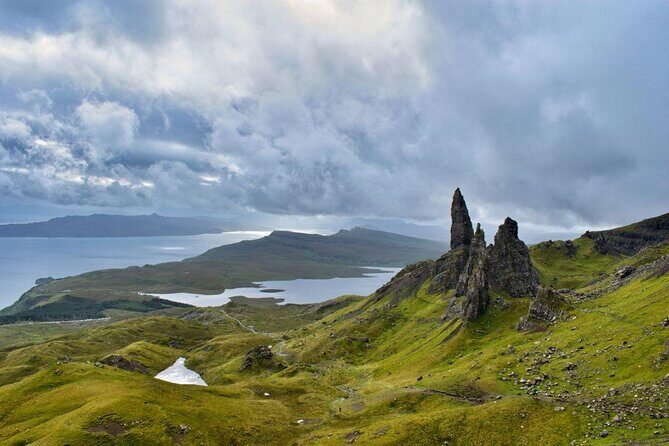
- Flexible sightseeing options on Skye, including Quiraing, Kilt Rock, and Loch Coruisk depending on what the day allows
- Callanish Standing Stones may be replaced with extra west-island beach time if your dates fall before 8 June 2026
The big idea: Outer Hebrides + Skye without a rental-car headache
If you want the Outer Hebrides and Skye but you don’t want to spend your trip juggling directions, parking, and ferry logistics, this tour is built for you. It’s a real overland-and-sea route: Highlands first, then the west coast, then ferry hopping, then Skye, then back to Edinburgh.
The small-coach setup matters. With a 16-seat Mercedes, you get comfortable seating and enough space for everyone to breathe, and your guide can often choose tighter viewpoints and roads that larger coaches can struggle with. It also makes it easier to react when the weather flips from bright to showery in a place where roads and skies both love surprises.
At this price point, you’re paying for the bundled value: round-trip transport, ferries, five breakfasts, and five nights in en-suite accommodation (3-star hotel or guesthouse standard). If you tried to piece this together yourself, you’d be shopping for the same essentials: ferry tickets, lodging on islands, and a way to cover long distances without turning driving into the main event.
A few more Edinburgh tours and experiences worth a look
Vehicle comfort and real-world logistics (the stuff that affects your day)
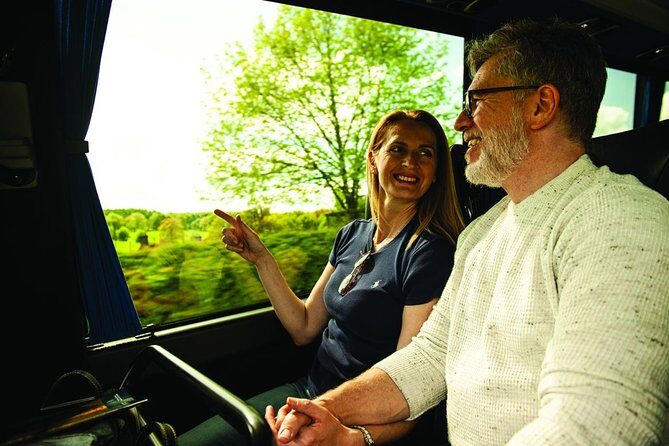
You’ll travel in a 16-seat Mercedes mini-coach. That gives you a better touring feel than a standard bus, but it’s still a coach with steps. Plan for three steps into the vehicle (each about 150 mm high) and use the grab handles.
A key practical note: there are no restrooms on board, so the day runs on scheduled breaks and quick restroom stops. The schedule is built around sightseeing, but you’ll feel it if you drink a lot right before driving time. I’d keep water handy, and use stops on purpose.
Luggage is capped at 20 kg (44 lbs) per person, with one medium bag (airline carry-on style size) plus a small personal item. That keeps things manageable on ferries and narrow parking spots.
Also read this carefully if you’re planning evenings out: guesthouses and B&Bs often sit on the outskirts of towns. You might walk 20–30 minutes to reach pubs or restaurants, and some properties won’t have lifts. If you don’t do well with stairs, flag it before you go, because you can’t assume your room will match your comfort needs.
Day by day: what you’ll actually do and why it’s worth it
Day 1: Dunkeld Cathedral, a Loch Ness pause, and the Ullapool arrival
Your day starts with check-in at Edinburgh Bus Station (Gate J & K) and a morning departure around 8:30 am. The first stop is Dunkeld Cathedral, where you get a stretch break plus a quick look at its unusual mix of architectural styles. It’s a good first reset: legs out, coffee if you brought it, and a calm start before the longer west-coast miles.
Next comes Loch Ness. You’re not touring a museum all day—this is more of a try-your-luck moment for the monster, with your driver-guide helping you spot the best vantage points if conditions line up.
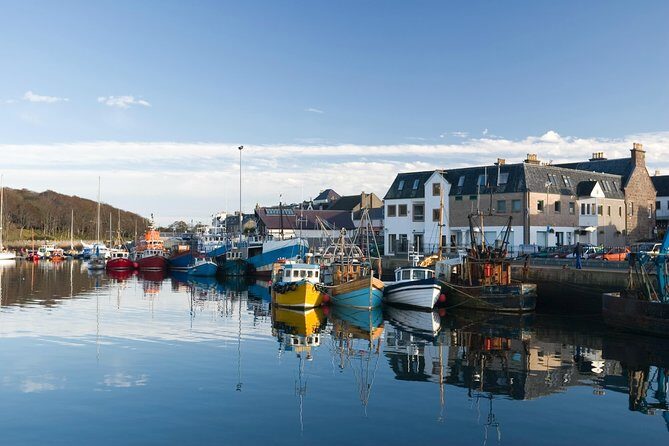
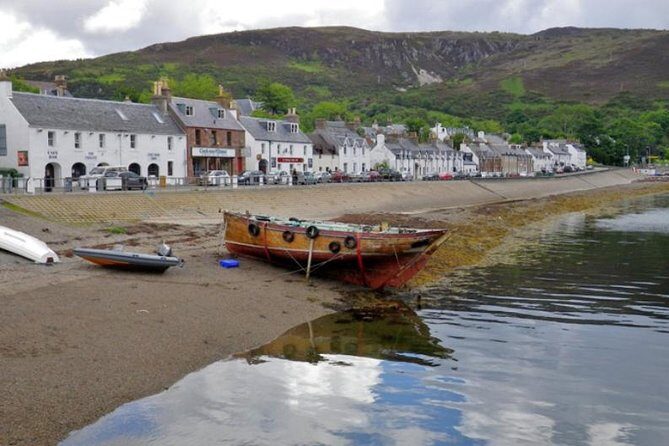
By early evening, you reach Ullapool, a working fishing port with a compact feel that’s great for an evening on your own. This is one of the best parts of the itinerary design: you’re not trapped on a bus at night. You can pick up dinner locally and reset for the island ferry day ahead.
Day 2: Ferry through the Summer Isles to Stornoway, then Lewis viewpoints
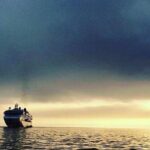
Day 2 is where the trip really becomes island travel. You take a roughly 2.5-hour ferry across the sea, passing through the Summer Isles. On a clear day, that sail is scenery therapy. On another day, at least it’s a break from driving, and you can keep an eye out for dolphins or whales if you’re lucky.
Arriving at Stornoway means stepping into the main town on Lewis and Harris. From there, you head along the north west coast, with your driver-guide working around weather and traffic so you still get real stops, not just roadside passing shots.
Two stops anchor the day:
- Stornoway Harbour area time, giving you a look at the port and the pace of daily island life
- Butt of Lewis Lighthouse, with a short walk up to a viewpoint where you feel how huge the Atlantic is—and how far America seems from that edge-of-the-map feeling
This is also a day where your guide’s instincts matter. Outer Hebrides driving doesn’t reward rushing. The best viewing often comes from slowing down at the right moments.
Day 3: Arnol Blackhouse and Dun Carloway Broch for real-crofter context
If you want the Outer Hebrides to make sense beyond photos, this day helps. The tour includes Arnol Blackhouse, where you experience what traditional farming life looked like in remote reaches. It’s not just looking at an exterior—this stop is built to help you picture daily life: shelter, smoke-blackened rooms, and the realities of living close to the land.
Next is Dun Carloway Broch, a stone fort structure built before 100 AD. The point here isn’t just that it’s ancient; it’s the setting. The site makes you feel the long timeline—wars, survival, weather, and change all layered onto one spot.
Both stops are time-efficient and purposeful: one focuses on how people lived; the other gives you a sense of how they defended and endured.
Day 4: Luskentyre beach time on Harris, then the ferry to Portree (Skye base)
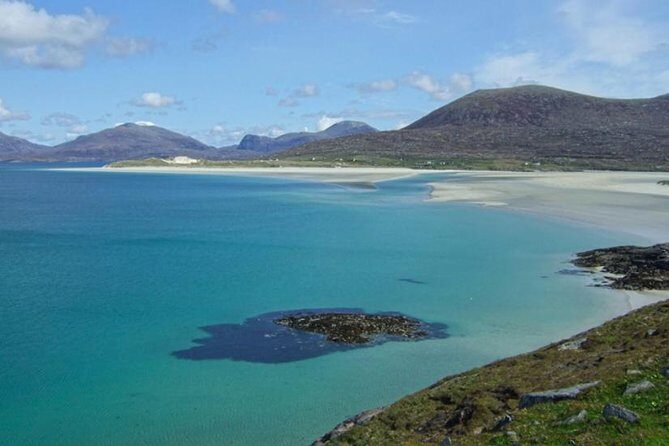
Harris shows up in a big way on this day. You go to Luskentyre, famous for its white-sand beach feel and wide, open coastal views. This is the day to slow down. It’s one of the best places on the route to walk until your eyes stop searching for the next view.
Lunch is flexible, depending on weather. If conditions allow, you may get a beach picnic option. Either way, pack sunglasses and plan for wind; that’s part of the deal.
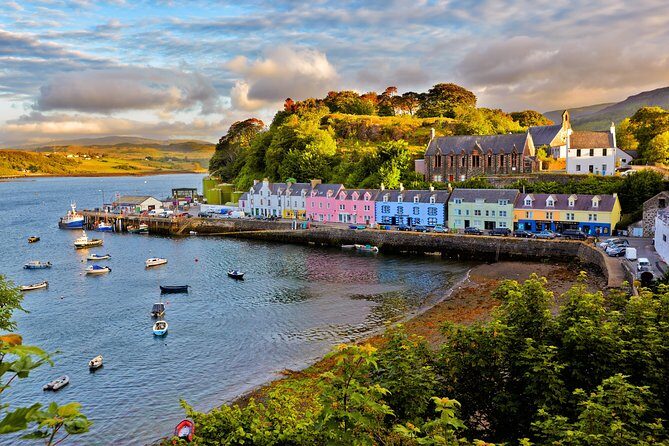
After Harris, you switch over to Skye with a ferry crossing to Portree, your base for the next two evenings. Portree is the largest town on Skye and a practical landing spot: you’ll find plenty of places to eat and it’s easy to go out without needing a car.
Day 5: Skye options like Quiraing, Kilt Rock, and Loch Coruisk
This is your Skye day, and the best part is the range of possibilities. Instead of forcing one single route, the plan gives you options such as:
- Quiraing, with a mountain-pass walk that’s all about dramatic paths and big sky
- Kilt Rock, where you can see a waterfall and the coastline’s rock structure
- Loch Coruisk, including a boat trip option to a quieter area that many people never get to on their own
Which option you choose can depend on day conditions. I like how this structure respects reality: Skye weather can shift fast, and the best plan is often the one your guide adjusts based on what’s working right then.
This day ends with your final evening in Portree. It’s a good time to treat yourself to seafood and take a slow wander through town after the day’s walking.
Day 6: Eilean Donan Castle photo stop, Ben Nevis area, Glencoe, back to Edinburgh
Skye’s final act starts with Eilean Donan Castle. Depending on operating dates, you might have ticketed time, or you might see it as a photo stop. When it’s open, your tour reserves access, and you’ll need to purchase your entry on tour.
After that, you drive under Ben Nevis, where you get a quick chance to look up at Britain’s tallest mountain. Clouds can hide the peak, but that’s still part of the mood—this is a mountain that can look epic even when it’s partly wrapped in mist.
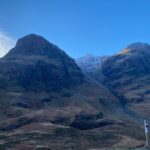
Next is Glencoe, with time in the valley and a short history-and-landscape stop built around one of Scotland’s most tragic massacres. Even if you’re not a history buff, the combination of story plus terrain makes Glencoe hit harder than you expect.
Then you head back toward Edinburgh, with the day tuned for wrap-up rather than one last long walk.
What makes the guide matter here (and why it shows up in the best moments)
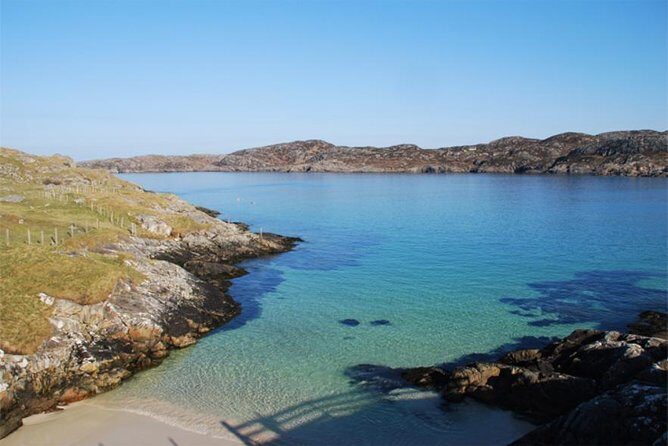
The trip quality often comes down to your driver-guide. The most consistently praised experience is how guides handle both storytelling and on-the-ground choices. Guides like Stefan, Iain, David, Donald, and George Stuart have been highlighted for bringing Scottish legends and history into everyday conversation, and for knowing the area well enough to offer alternatives when plans need to shift.
Here’s what that means for you: you don’t just get a list of places. You get reasons—why Arnol Blackhouse looks the way it does, how the Brochs fit into early power and defense, and what to look for at the edges of coastlines where the “right” viewing spot isn’t always the obvious one.
You also benefit from small-group pacing. When there are fewer people, your guide can sometimes steer toward quieter times at popular stops, which can make a huge difference on Skye and around lighthouse viewpoints.
Where this itinerary can feel tight (and how to make it work for you)
This is an efficient route. That’s the tradeoff for covering both the Outer Hebrides and Skye in six days.
A few things to consider before you book:
- You’ll do a lot of short stop times with walking involved, so comfortable shoes matter
- You won’t control the weather, and the itinerary adjusts to it, which can mean you don’t always get every exact option you pictured
- Your lodging standard is good for a 3-star/guesthouse tour, but room comfort can vary. One past guest described very small, cramped quarters and another described cleanliness issues in a B&B. That doesn’t guarantee your experience will be the same, but it’s a reminder to plan with the understanding that island guesthouses aren’t all identical
- Since meals and refreshment costs are on your own, bring a budget for lunch and dinner during transit days
If you like structured days, that’s fine. If you hate schedules, you might feel the pace more than you’d like.
Seasons and timing: when this trip feels best
Late in the tourist season can be an advantage. You’re more likely to find breathing room at viewpoints and in towns, and you may have easier access to places that get crowded mid-summer. The flipside is that you’re still in Scotland: pack layers and be ready for wind.
Also keep a close eye on specific site timing:
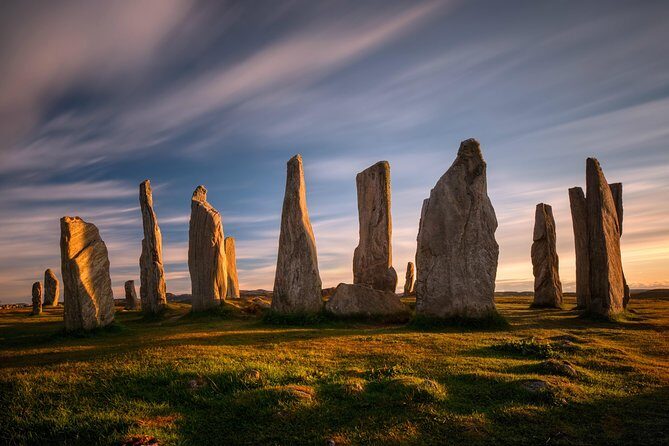
- Callanish Standing Stones: if your trip is before 8 June 2026, the site is listed as closed for preservation and you’ll instead spend extra time exploring beaches on the west of the island
- Eilean Donan Castle: certain dates can mean the castle is closed to visitors. On those dates, you’ll likely still get a photo stop, but you won’t have ticketed access
If one of these is a top priority, your travel dates matter as much as the itinerary.
Should you book this 6-day Outer Hebrides and Skye tour?
Book it if you want a high-impact Scotland trip that hits Lewis and Harris plus Skye without driving stress. I’d especially recommend it if you value:
- the small-group feel and guide-led storytelling
- ferry days that break up the journey and keep things scenic
- the chance to explore evenings on your own in Ullapool, Stornoway, and Portree
Skip or consider alternatives if:
- you’re extremely picky about room size and daily comfort details in island guesthouses
- you need a restroom on board during driving time
- you’re traveling with mobility needs that make steps and off-vehicle access hard (and remember the coach isn’t wheelchair accessible)
If you’re flexible, pack for weather, and treat the trip like a long scenic road trip with serious highlights, you’ll likely come away with that Hebrides feeling: raw coastlines, ancient sites, and Skye views that don’t look real until you’re standing in front of them.