REVIEW · INVERNESS
Inverness: John O’Groats, Dunrobin Castle & the Far North
Book on Viator →Operated by Timberbush Tours · Bookable on Viator
North Scotland hits hard in one day.
This Inverness to John O’Groats tour strings together John O’Groats cliff views, Dunrobin Castle by the sea, and a stack of short stops where you can actually get your bearings fast. You get live commentary in a small group, plus breathing room at key moments so you’re not trapped doing everything on the dot.
I particularly like the way this day is built around wildlife and photo timing, from possible seals at Loch Fleet to the best-known puffin area in mainland Britain at John O’Groats. I also like that the ride is in an air-conditioned vehicle with a driver-guide who keeps the journey from feeling like dead time, and guides such as Alex and Karen come up in the reviews as especially engaging.
One possible drawback: Dunrobin Castle is not a walk-in, walk-out stop. It can mean lots of stairs to reach different areas, and that’s a deal-breaker for some visitors.
In This Review
- Key highlights that make this day trip work
- Entering Scotland’s far north: why this itinerary feels efficient
- Ride comfort, live commentary, and what “small group” really means
- Loch Fleet stop: seals and birds, with camera-first timing
- Golspie Gallery and the North Sea vibe
- Dunrobin Castle and Gardens: your one-hour centerpiece
- Helmsdale Clearance and quick history photo pauses
- Wick lunch window: where the Viking-era setting matters
- John O’Groats cliff path and wildlife odds
- Dunbeath Heritage Museum and Brora photo stops
- What you’ll miss if you’re expecting a slow travel day
- Price and value: what $87.34 buys you (and what it doesn’t)
- Who should book this and who should pass
- Should you book this Inverness to John O’Groats day trip?
- FAQ
- How long is the tour from Inverness to John O’Groats?
- What time does the tour start, and where do I meet?
- Is Dunrobin Castle admission included?
- Is there WiFi or a restroom on board?
- What wildlife can I reasonably hope to see at John O’Groats?
- Does the tour run in bad weather?
Key highlights that make this day trip work
- Wildlife odds on a tight schedule: Loch Fleet for seals and birds, then John O’Groats for Atlantic puffins and possible seals or even orca.
- A driver-guide who turns driving into a lesson: You’ll get live commentary throughout the day, not just at the stops.
- Short, useful stops, not hours of nothing: Photo breaks and quick breaks keep the itinerary moving while still giving you chances to stretch.
- Dunrobin Castle is the centerpiece: You get a full hour on-site to see the castle, gardens, and museum (if you choose).
- You’re free to explore at your own pace at the right times: Especially at Golspie and John O’Groats.
- Small-group feel: The tour caps at 32 travelers, which helps with flow at viewpoints and indoor stops.
Entering Scotland’s far north: why this itinerary feels efficient
This is the kind of day trip that makes sense if you’re using Inverness as a base but still want the extreme north without renting a car. The route covers a lot of ground, yet the structure keeps it from feeling like one long blur: you’re constantly alternating between driving, quick photo stops, and a couple of longer anchors.
The best part is the rhythm. You start in the morning (departure is 8:15 am from Railway Terrace in Inverness), then you spend the day moving along the coast, pausing where there’s something you can actually see, and ending back where you started.
You can also read our reviews of more tours and experiences in Inverness.

Ride comfort, live commentary, and what “small group” really means
You’re in an air-conditioned vehicle, which matters up here where weather can switch fast. You’ll also have live commentary during the drive, so you get context for what you’re seeing: coastlines, towns, and the “why” behind what you’re looking at instead of just the “what.”
That small-group cap of 32 people is a quiet advantage. Fewer people means less chaos when you reach places that get busy, and it can make it easier to hear the guide while still having room to move for photos.
One more practical note: there’s live commentary, but WiFi isn’t included and there isn’t a restroom on board. So this tour works best if you plan to step off for breaks and keep your expectations realistic about comfort during a long day.
Loch Fleet stop: seals and birds, with camera-first timing
Early on, the tour pauses at Loch Fleet for about 15 minutes. The point here is simple: scan the water and shoreline for seals and a range of birds, and get your camera ready because sightings can be quick.
This is a stop you enjoy even if you don’t get a perfect view. It’s short enough that you’re not trapped, and it sets the tone for the day by reminding you you’re not just doing “scenic towns,” you’re doing coastal wildlife country.
Golspie Gallery and the North Sea vibe
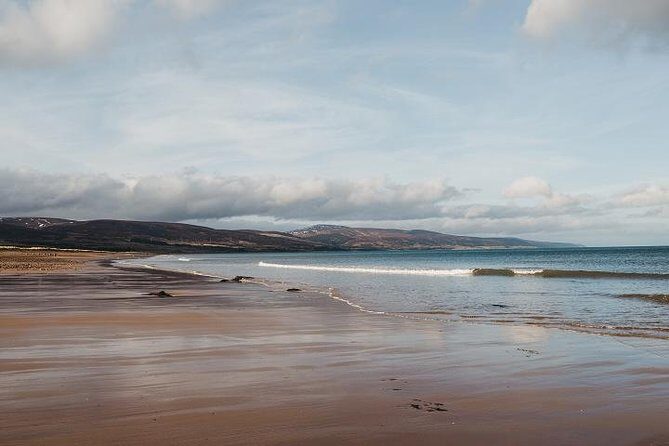
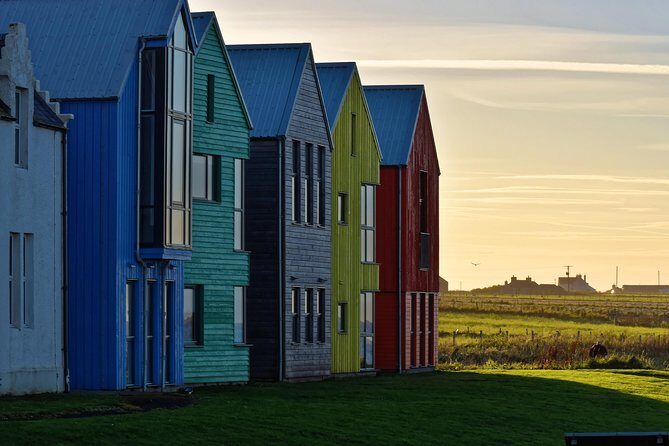
Next comes the village of Golspie for roughly 25 minutes. It sits on the North Sea coast, near Ben Bhraggie, and it’s built for easy wandering: long sandy beaches, sea air, and the chance to grab refreshments before the bigger stop at Dunrobin.
The value of this timing is that it breaks up the morning drive. You get a proper chance to reset, stretch your legs, and buy something small for later, which helps when lunch time comes next and later stops remain tight.
Dunrobin Castle and Gardens: your one-hour centerpiece
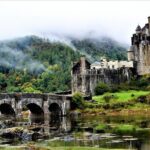
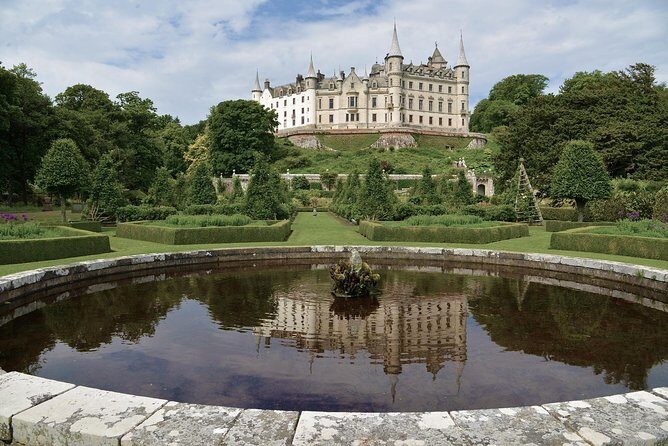
Dunrobin Castle is the emotional highlight of the day for many people, and it earns it. It overlooks the Moray Firth and the architecture has that grand, chateau feel with tall spires.
You get about 1 hour here, and that’s enough to do the core circuit: the castle rooms, the gardens, and the museum if you choose. There’s also a tearoom on site, which is handy if you want something warm or a quick sit-down before heading to John O’Groats.
The trade-off is the one drawback people warn about most: stairs. One reviewer experience described it as step-heavy, with long stair routes to different areas, including the gardens. If you have mobility concerns or you don’t want to navigate lots of levels, this is the part of the day trip you should think about most carefully before booking.
Helmsdale Clearance and quick history photo pauses

After Dunrobin, you’ll have a short stop tied to Helmsdale and the clearance history in the area. Plan for about 10 minutes of photos and learning, not a long museum visit.
These brief cultural stops are common on distance tours like this, but they do serve a purpose. Without them, the day could become only coast views and signposts. With them, you start to notice how the land and the settlements shaped each other over time.
Wick lunch window: where the Viking-era setting matters
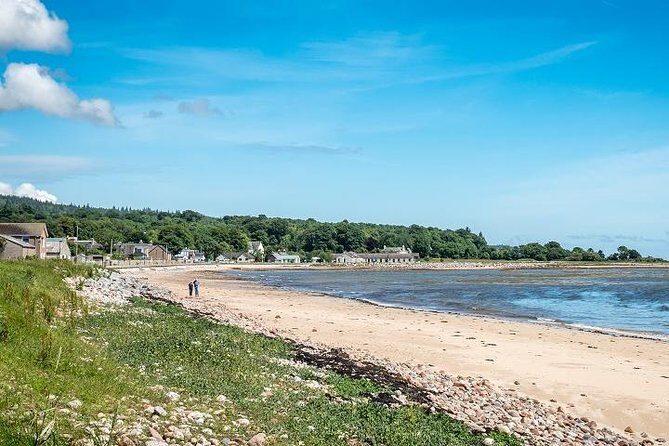
You’ll reach the Wick area for roughly 1 hour, and the tour frames this as a lunch break around the old Viking settlement. Even if you don’t go searching for Viking-era details in a formal way, the atmosphere here feels different from the smaller coastal hamlets.
This is your practical reset point of the day. Use it for lunch, use the time to refuel, and if you can, buy a snack to stash for later, because the next wildlife-heavy stop is worth being ready for.
John O’Groats cliff path and wildlife odds
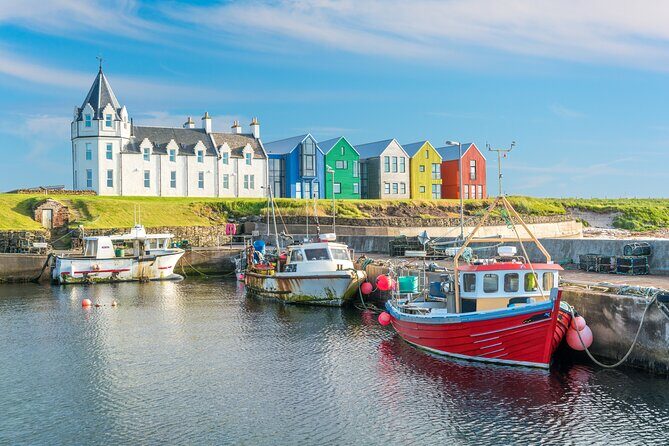
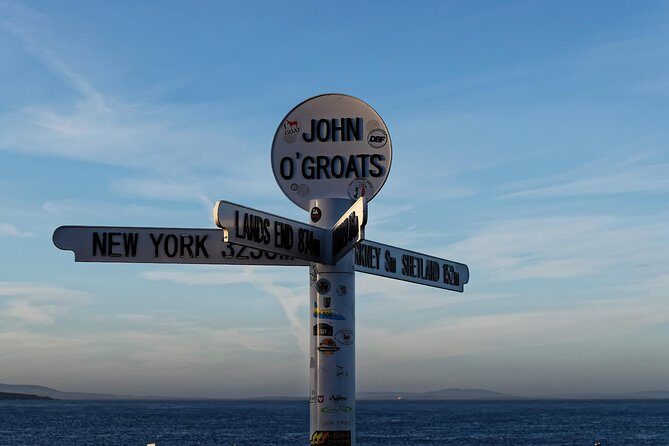
Then comes the big one: John O’Groats. You get about 1 hour at the northernmost point on British mainland, and it’s built around walking and views rather than long indoor time.
What to focus on during your hour:
- The cliff path, for dramatic coastal angles and sea-level horizons
- The iconic signpost for the classic photo
- Wildlife spotting opportunities as you walk the edges
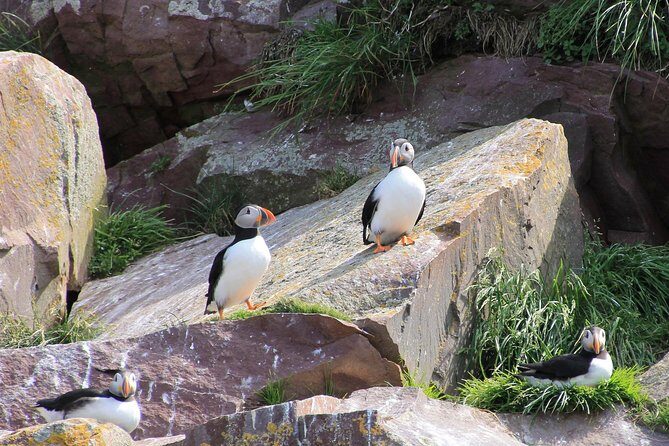
John O’Groats is one of the best spots in the UK to see Atlantic puffins. You might also see grey seals, and on rare luck days, an orca has been reported. Even if you don’t get a rare animal, the meeting of the North Sea and the Atlantic is visibly powerful.
If the weather turns, don’t panic. Just keep moving slowly and aim for the best-covered viewpoints first. The whole area is weather-driven, so your “how” you walk matters as much as the “where.”
Dunbeath Heritage Museum and Brora photo stops
After John O’Groats, the day stays in motion. There’s a quick stop at Dunbeath Harbour for photos and about 10 minutes to look around the harbor area, plus another brief photo pause at Brora Beach about 15 minutes before returning to Inverness.
These stops are lighter on time and heavier on atmosphere. Think of them as bonus moments: quick coastal context and another chance to grab pictures before the return ride.
What you’ll miss if you’re expecting a slow travel day
This is not the tour for people who want long lingering hours at one location. The route covers a lot of distance in one day, so even when you have free time, it’s measured.
Also, wildlife isn’t guaranteed. You get real chances, but you’re still dealing with nature and weather. If you want maximum control, you’d need your own car and extra days.
Finally, a couple of reviews mention comfort quirks: some felt the coach could get stuffy and hot, and others didn’t love the driver’s playlist volume. That isn’t universal, but it’s worth keeping in mind if you’re sensitive to noise or heat.
Price and value: what $87.34 buys you (and what it doesn’t)
At about $87.34 per person, you’re paying for transportation, live commentary, and multiple stops across a huge stretch of the north. For many first-time visitors, the value is not only the sights, but the fact that you don’t have to plan the route, drive for hours, and coordinate short snack and photo breaks yourself.
The one big “budget add-on” is Dunrobin Castle admission. The castle time is included as an on-site visit, but attraction tickets are not included. If you want the museum option and any indoor shows, you should plan extra spending.
If you’re deciding between renting a car and doing this tour, consider this: doing the whole circuit in one day without local driving stress can be worth real money. The trade is that you accept shorter stops and follow the day’s timing.
Who should book this and who should pass
This tour is a strong fit if:
- You’re short on time in Scotland and want a one-day hit of the far north
- You want wildlife odds, especially puffins at John O’Groats
- You’d rather relax in the vehicle and let the driver-guide handle the route and context
- You enjoy quick stops and don’t need hours to “soak” in a single place
I’d think twice if:
- You have mobility limits due to stair-heavy areas at Dunrobin Castle
- You hate tight timing and want long free exploration windows
- You’re very sensitive to background music or bus temperature issues
If you’re debating whether to add a far-north day, this one checks enough boxes that it usually earns its place.
Should you book this Inverness to John O’Groats day trip?
If you want the north’s highlights without doing the driving yourself, I’d book it. The combination of live commentary, a compact small-group feel, and the wildlife focus at Loch Fleet and John O’Groats makes it more than just a “coach tour with views.”
Just go in with the right expectations: it’s a fast day built on stops, and Dunrobin Castle involves stairs. If that works for you, you’ll get a memorable sweep of coast, cliffs, and north-country towns that you can’t easily replicate in a casual half-day outing.
FAQ
How long is the tour from Inverness to John O’Groats?
It runs for about 11 hours 15 minutes, starting at 8:15 am and ending back at the same meeting point in Inverness.
What time does the tour start, and where do I meet?
You start at Railway Terrace, Inverness IV1, UK. The start time is 8:15 am, and you should arrive at least 15 minutes early.
Is Dunrobin Castle admission included?
No. Dunrobin Castle and Gardens admission is not included, though you do get time at the castle during the tour.
Is there WiFi or a restroom on board?
WiFi is not included, and there is no restroom on board.
What wildlife can I reasonably hope to see at John O’Groats?
John O’Groats is one of the best places in the UK to see Atlantic puffins. The tour also notes chances for grey seals and even an orca.
Does the tour run in bad weather?
Yes. It operates in all weather conditions, so dress appropriately for rain, wind, and changing conditions.