REVIEW · INVERNESS
Wild West Coast Adventure (Part 1)
Book on Viator →Operated by Grant Driving Tours; Scotland · Bookable on Viator
Loch Ness quiets down, then turns wild. This private Wild West Coast Adventure (Part 1) is a full 9 to 10 hours of west-leaning scenery and story, starting north of Inverness and ending with Skye Bridge sights plus a stop in Plockton. Along the way, you get real breathing room at places like Invermoriston Falls and the Glenelg brochs, and you cross to Skye by MV Glenachulish, the world’s last manually operated turntable car ferry.
I especially like how it’s run by a personal guide (Bill in recent reviews) who stays prompt and adjusts plans to match conditions. I also like the stop mix: quick walk-and-view breaks for photos, plus proper “wait, that’s really old” moments like Dun Telve and Dun Troddan.
One consideration: this is a long day with lots of driving, and most attractions get about 15 to 30 minutes. If you want lingering, slow travel at every site, you’ll feel the time limits.
In This Review
- Key highlights to know before you go
- Why this day feels like real Scotland (not a rush tour)
- Inverness to Invermoriston: a gentle start on Loch Ness
- Clog and Craft Shop plus Invermoriston Falls: quick fun, oddball charm
- Loch Cluanie and the Kintail approach: time for coffee or just keep rolling
- Glen Shiel (1719): history you can stand near
- Ratagan Pass viewpoint and the Five Sisters of Kintail
- Brochs at Glenelg: Dun Telve and Dun Troddan in Gleann Beag
- Glenelg ferry to Skye: MV Glenachulish, last turntable crossing
- Over the Skye Bridge and the Plockton stop for Highland vibes
- Price and value: what you’re really paying for
- Weather, pacing, and comfort: how to set expectations
- Who this private West Coast day suits best
- Should you book Wild West Coast Adventure (Part 1)?
- FAQ
- How long is Wild West Coast Adventure (Part 1)?
- How much does the tour cost?
- Is pickup available?
- Is this tour private?
- What’s included in the price?
- Are there admission fees at the stops?
- What ferry is used to cross to Skye?
- Does the itinerary include time at Plockton?
- Is the tour available for cruise ship passengers from Invergordon Cruise Port?
- Can I cancel if my plans change?
Key highlights to know before you go
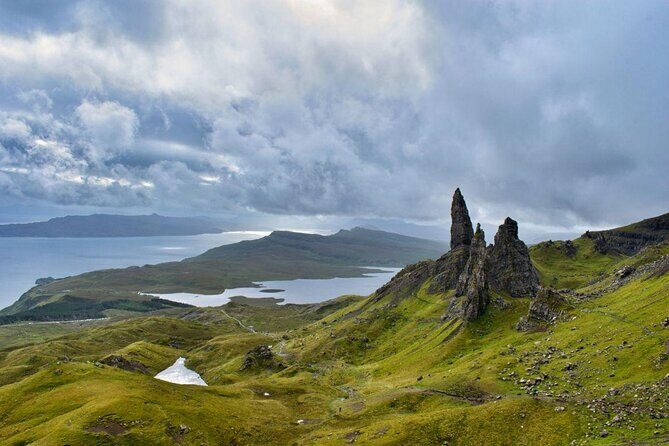
- Loch Ness first, not last: you start with an easy north-shore drive, then gradually work your way toward the coast.
- A famous ferry ride included: the crossing to Skye happens on MV Glenachulish, the last surviving manually operated turntable ferry.
- Ratagan Pass viewpoint and the Five Sisters: you’ll stop at Mam Ratagan with big views toward the Five Sisters of Kintail.
- Two brochs, close together: Dun Telve and Dun Troddan are about 500m apart and sit in Gleann Beag.
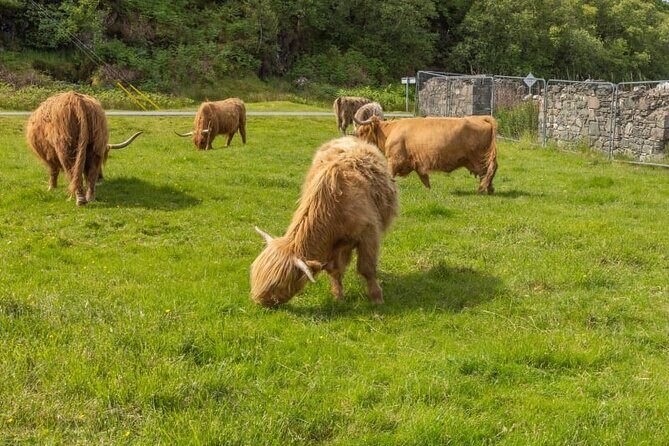
- Plockton’s mix of Highlands + palm trees: you’ll hunt for Highland cattle and see why Plockton earns the nickname Jewel of the Highlands.
- No extra entry fees for the listed stops: the itinerary is built so you don’t get hit with surprise attraction tickets.
Why this day feels like real Scotland (not a rush tour)
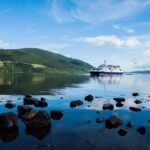
This is the kind of day where you get to ride the road and watch Scotland change. It starts gently along the north shore of Loch Ness, then shifts into West Highlands territory—glen after glen, viewpoints that make you pause, and a ferry crossing that feels like a throwback (in a good way).
What makes it work for you is the pacing style. Stops aren’t long, but they’re timed so you can walk a bit, take in views, and still keep momentum. And because it’s private (up to 7 people), you’re not squeezing into a big-group rhythm. Recent feedback repeatedly points to the guide’s ability to stay calm, move promptly, and keep the day flowing even when the weather throws a curveball.
There’s also a strong value angle for a private day like this. The listed price is per group up to 7. If you’re booking as a full group, the per-person cost drops a lot. If it’s just two of you, it’s less of a bargain—but you’re still paying for a full private vehicle day that includes ferry time, snacks, bottled water, and a lot of driving that would be hard to “just DIY” in the same smooth way.
You can also read our reviews of more tours and experiences in Inverness.

Inverness to Invermoriston: a gentle start on Loch Ness
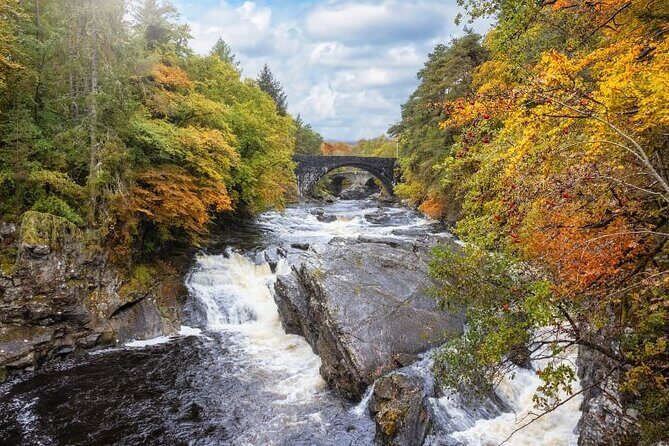
You begin with a calm, north-shore drive along Loch Ness. This matters because it sets the tone: you’re not instantly chasing big-ticket attractions. Instead, you get scenery up front, plus a chance to settle into the day.
The first meaningful stop is Invermoriston for a stroll by the falls and a quick visit to the Clog and Craft Shop. You’ve got two motives here: stretching your legs and finding a quirky souvenir. It’s not a museum-style stop, so if you like oddball shops and quick photo moments, you’ll probably have fun.
A practical tip: keep your legs moving lightly on this first walk. After 8 to 10 hours of sightseeing, it’s easier when you’ve started with something easy rather than saving all the walking for the end.
Clog and Craft Shop plus Invermoriston Falls: quick fun, oddball charm
The Clog and Craft Shop is described as the quirkiest souvenir option in the flow, and I get why that lands. It’s a break from the usual whisky-tasting-and-postcard routine, and it gives you something playful to do without stealing time from the big scenic stops.
Right after, you’re at Invermoriston for the falls. The name you’ll hear around this area is the upside-down look some people associate with the falls in certain conditions. Either way, the key point for you is the environment: water sound, a short walk, and a viewpoint that doesn’t require a long hike.
If you’re the type who likes to buy one funny local item and call it a day, this stop fits that perfectly.
Loch Cluanie and the Kintail approach: time for coffee or just keep rolling
From Invermoriston, you head onward past Loch Cluanie and the Loch Cluanie Dam. This section is about the shift in feel: the loch sits in a bowl of high ground, with hills rising around it, which gives the water a focused, dramatic mood.
You may have a possible coffee stop at The Cluanie Inn. That’s a smart inclusion even if you don’t drink coffee. A short café break helps you reset for the next stretch: tighter roads, longer viewpoints, and the more “heritage-heavy” stops coming up later.
When planning your day, think of this part as your buffer. If you’re feeling travel fatigue, use it. If you’re ready to go, skip the extra stop and keep the day moving.
Glen Shiel (1719): history you can stand near
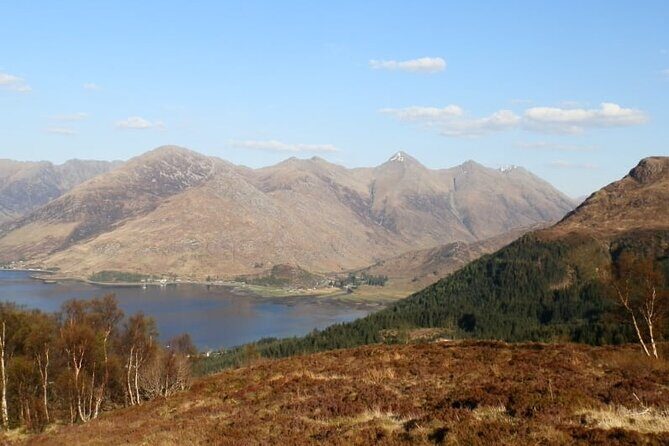
Next up is Glen Shiel, tied to the Battle of Glenshiel on 10 June 1719. This wasn’t a casual skirmish—it was a battle in the West Highlands between British government troops and an alliance involving Jacobites and Spaniards. It’s also described as the last close engagement of British and foreign troops in Great Britain.
Why this stop is worth your time: it turns the roads into context. From a car window, the Highlands can feel purely scenic. But when you pause at Glen Shiel, you get a sense that these glens were strategic spaces, shaped by movement and conflict long before modern tourism.
Timing here is tight (about 15 minutes), so keep expectations simple. You’re not doing a long guided lecture. You’re planting your feet, learning one clear story, and moving on with a deeper appreciation for what you’re seeing.
Ratagan Pass viewpoint and the Five Sisters of Kintail
Then comes one of the classic view stops: Ratagan Pass viewpoint at Mam Ratagan (Bealach Ratagain). The itinerary notes that you’ll have magnificent views toward the Five Sisters of Kintail.
Here’s what makes this stop more interesting than just “pretty mountains.” Ratagan Pass is also presented as the old road to Skye—originally built as a military route by Major Caulfeild, but it followed older drovers’ routes used by people moving animals. In other words, you’re not only looking at geology; you’re looking at movement paths.
Practical advice: take your camera out as soon as you arrive. Views here can change fast with light and weather, and you only have about 30 minutes. If clouds roll in, you might still catch the sisters’ shapes, but you’ll want a quick shot before things shift.
If you’re doing this day in poor weather, don’t assume the stop is wasted. Even when visibility drops, the pass still gives you scale and a sense of how the route connects Kintail to Glenelg.
Brochs at Glenelg: Dun Telve and Dun Troddan in Gleann Beag
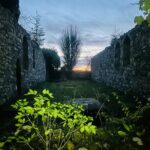
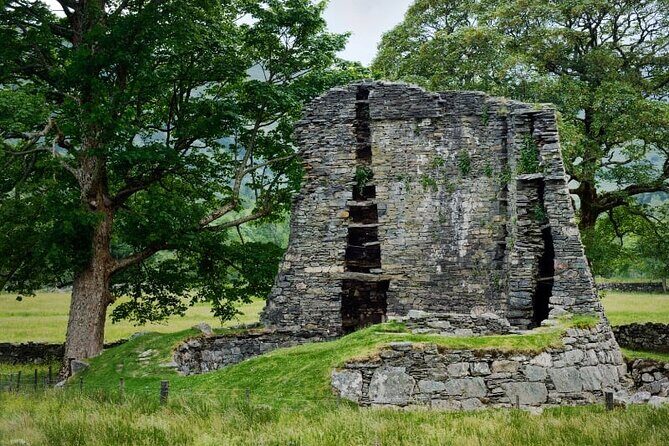
If you want a true time-travel moment, this is it. You’ll visit the Glenelg Brochs, two about 2,000-year-old structures: Dun Telve and Dun Troddan.
A standout detail is how close they are. These two towers sit around 500 meters apart, which is unusual for brochs. It also makes your stop feel efficient. You’re not hopping between far-flung ruins; you’re comparing two towers in the same valley.
The guide can likely help you spot what matters visually. Dun Telve still stands to more than 10 meters in places, while Dun Troddan is shorter (about 7.6 meters) but noted as better preserved. Even with only about 30 minutes, the combination of scale and setting makes the brochs feel less like random rocks and more like real architecture.
Why you’ll enjoy this stop: brochs are easy to misunderstand if you only see photos. Standing near the towers gives you a sense of how people once built for defense and survival, but also how clever placement and good stonework can last for centuries.
Glenelg ferry to Skye: MV Glenachulish, last turntable crossing
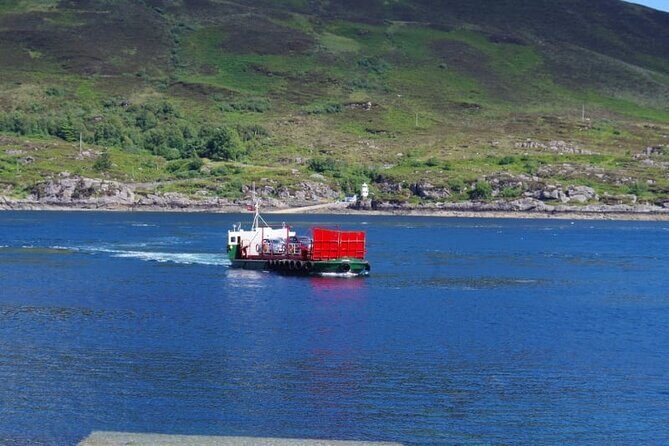
Now you get the “only-in-Scotland” moment: the Glenelg ferry. This portion is included, and it’s set up as a heritage crossing.
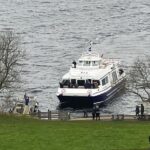
You take the ferry to Skye via the community-operated service, with about 18 miles of crossing time. The key draw is the boat itself: MV Glenachulish, described as the last surviving manually operated turntable car ferry in the world.
Even if you don’t care about ferry engineering, you’ll probably like this. It adds variety to the day and breaks up the driving with a calm, scenic interval. Plus, it’s a real cultural detail, not just a tourist ride.
What I’d do: treat the ferry as part of the sightseeing, not a transit pause. Sit where you can see the water and coastline as you cross. That way, you leave the ferry feeling like you did something, not just waited.
Over the Skye Bridge and the Plockton stop for Highland vibes
After arriving on Skye, you’ll cross the Skye Bridge and head for Plockton. This is where the itinerary adds a playful element: searching for Highland cattle and palm trees.
Plockton is described as the Jewel of the Highlands, a small village on a sheltered bay with views over Loch Carron. The palm trees bit is what makes people stop and laugh a little. It’s a reminder that the Highlands aren’t always the uniform, windswept look you might expect.
This is also one of the more flexible-feeling segments because you have about 1 hour there. Use it to wander a bit and decide if you want to do a slower photo loop or focus on one good viewpoint. If the weather is good, Plockton can give you that postcard feeling without needing to sprint for it.
Price and value: what you’re really paying for
The listed price is $1,032.20 per group (up to 7), with a day lasting about 9 to 10 hours. That sounds steep if you only look at it per person. But for a private day with a long route, it can be very reasonable.
Here’s the value logic I’d use:
- You’re not paying only for “driving.” You’re paying for private transportation, snacks, bottled water, and an air-conditioned vehicle for the long stretches.
- You’re also paying for scheduled time at places where solo driving would mean extra planning and parking stress—especially around the Skye crossing day flow.
- The ferry crossing is included, and that’s one of the most distinctive parts of the day.
If you fill the group size, the per-person cost becomes much easier to swallow. If you book as a smaller group, you’re still getting a structured day that feels less chaotic than self-driving and re-routing on the fly.
Weather, pacing, and comfort: how to set expectations
A theme in recent feedback is that the guide stays ready with a plan for conditions. That matters on the west side of Scotland, where weather can change your visibility fast.
In a day like this, the stop durations are short for a reason. The itinerary is built around doing a lot of different things well, not doing one thing slowly. You’ll spend time walking briefly, taking photos, and learning a few key points at each stop, then moving on.
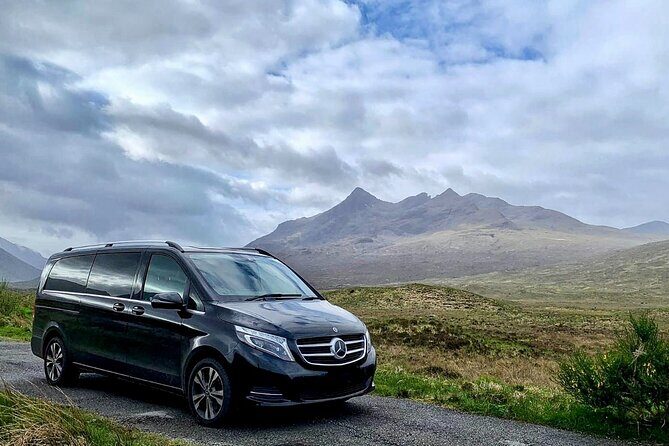
Comfort-wise, the day includes an air-conditioned vehicle, and you also have snack and water support. So you won’t be stuck thinking about basic needs for most of the day.
The best approach for you: dress in layers, expect wind or mist around viewpoints, and treat the itinerary like a guided highlight reel with just enough time to feel it.
Who this private West Coast day suits best
This tour fits best if you want:
- A private day with a guide who keeps things easy and paced right
- Scenic West Highlands stops plus clear historical context (like Glen Shiel and the brochs)
- A hands-on, memorable ferry experience to Skye via MV Glenachulish
- Time to stop, breathe, and get your photos—without the stress of driving and navigating all day
If you hate long drives or you prefer long stays at each site, you may find the stop times feel short. But if you enjoy collecting multiple “I can’t believe that’s real” moments in one day, this hits the sweet spot.
Should you book Wild West Coast Adventure (Part 1)?
Yes—if you want a structured, high-value Scotland day that mixes Loch Ness, West Highlands viewpoints, Glenelg brochs, and a genuinely unique Skye crossing. This is the kind of itinerary that works well when you don’t want to spend your trip doing logistics. It also rewards curiosity: you’ll see places that look beautiful on a map, but make more sense once you stand near them and learn the story.
Before you book, ask yourself one question: are you okay with about 15 to 30 minutes at most stops in exchange for covering a lot of ground? If that fits your travel style, you’ll likely come away with a day that feels both scenic and satisfying.
FAQ
How long is Wild West Coast Adventure (Part 1)?
The tour lasts about 9 to 10 hours.
How much does the tour cost?
It’s listed at $1,032.20 per group, up to 7 people.
Is pickup available?
Yes, pickup is offered.
Is this tour private?
Yes. It’s a private tour/activity, and only your group participates.
What’s included in the price?
You get snacks, bottled water, an air-conditioned vehicle, and private transportation. The ferry to Skye is also included.
Are there admission fees at the stops?
The tour information says there are no additional entry fees to any destinations or attractions listed.
What ferry is used to cross to Skye?
You’ll cross on the MV Glenachulish, described as the last surviving manually operated turntable car ferry.
Does the itinerary include time at Plockton?
Yes, there’s about 1 hour in Plockton.
Is the tour available for cruise ship passengers from Invergordon Cruise Port?
No, this tour is not available for cruise ship passengers at Invergordon Cruise Port.
Can I cancel if my plans change?
Yes, free cancellation is available. You must cancel at least 24 hours in advance for a full refund.