REVIEW · INVERNESS
Slow Food Highland Dining and Storytelling in Inverness
Book on Viator →Bookable on Viator
A Highland kitchen turns dinner into storytime. I like that this Inverness meal happens in a local home and that Scottish seasonal dishes come with real context. The main thing to watch: wine or whisky pairings are optional and can add cost, so you’ll want to plan for them.
I also enjoy the slow-food angle. The focus is on food that’s good for you, good for the people who grow or rear it, and good for the planet, with an emphasis on forgotten family recipes. In other words, you’re not getting decorative plate art; you’re getting home cooking with local meaning.
Expect about 2 hours around a small table in Karen’s house. The experience is offered in English and capped at a maximum of 6 people, and it’s described as private for your party (so sharing may depend on how your booking is set up). Dinner is included; alcohol pairings are not.
In This Review
- Quick hits you’ll care about
- A Highland home table beats a restaurant meal
- Arriving at 9 Balnakyle Rd and settling in
- How the night really works: courses plus Karen’s stories
- Partan Bree: a crab soup with a name you can remember
- Mains that reflect local what-we-really-eat cooking
- Venison, berries, and foraged ingredients: the Highlands show up in flavor
- Cranachan: oatmeal, honey, raspberries, and a touch of whisky
- Wine and whisky pairings: decide early, and ask what’s included
- Pricing: what $103.07 buys you, and when it feels worth it
- Who this dinner is perfect for (and who should rethink it)
- Should you book Karen’s Slow Food dinner in Inverness?
- FAQ
- How long is the Slow Food Highland Dining and Storytelling experience?
- How much does the experience cost?
- What’s included in the price?
- Are wine or whisky pairings included?
- Where does the experience start?
- What is the maximum group size?
- Can I cancel for a full refund?
Quick hits you’ll care about
- A home dinner in Inverness, not a restaurant shift: you get a real kitchen-and-hearth feel.
- Storytelling built around Scottish ingredients and tradition: each course comes with the why behind it.
- Seasonal classics on the menu: Partan Bree and Cranachan are key examples.
- Small-group dining (max 6): it’s easier to talk and listen without the usual restaurant noise.
- Locally sourced cooking, with foraged ingredients when possible: you might hear about mushrooms and berries used in the meal.
- Wine or whisky pairings can be worth it, but they cost extra: ask before you assume anything.
A Highland home table beats a restaurant meal
Inverness can be great for pubs and serious Scottish fare, but a sitting-down dinner in someone’s home changes the pace. You’re not on a timetable to turn tables. Instead, you’re part of a smaller moment: food, conversation, and the host’s angle on why the menu looks the way it does.
This experience leans hard into slow-food thinking. That doesn’t mean it’s fussy. It means you’re likely to eat dishes that match the season, and that connect to what people historically cooked where they lived. Based on the menu approach and how the host frames it, the goal is to protect “forgotten foods” that turn up in real family cookbooks rather than trendy reinterpretations.
The upside for you: you get more than flavor. You get a sense of place. The one consideration: because the evening is built on conversation, it works best if you’re willing to participate and not just sit there quietly expecting a scripted show.
You can also read our reviews of more food & drink experiences in Inverness
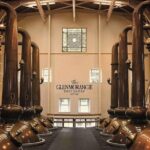

Arriving at 9 Balnakyle Rd and settling in
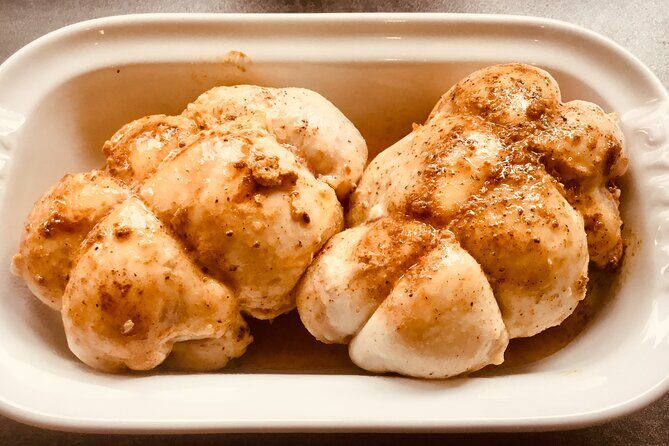
The start point is 9 Balnakyle Rd, Inverness IV2 4BS, UK, and the dinner ends back at the same meeting point. That’s helpful: you’re not trying to piece together multiple locations or transit steps at the end of the night.
You’ll also want to plan for being at one address for the whole experience. Private transportation isn’t included, so if you’re coming from elsewhere in Inverness, sort out your ride ahead of time. Also, alcohol pairings are available but not included in the base price, so decide early whether you want them.
One more practical thing: because the group limit is 6, the evening should feel intimate. You might be seated with other people depending on how your booking is configured, even though the experience is described as private for your party. Either way, this is the kind of dinner where you’ll hear more than you would at a big dining room.
And yes, service animals are allowed, so if you travel with one, you can plan with confidence.
How the night really works: courses plus Karen’s stories
This is a four-course-style dinner experience in a home setting, and the structure matters. You’ll start with a starter, move into a main (or mains, depending on what you’re served), and finish with a Scottish dessert classic.
The host, Karen, is the heart of the evening. People consistently mention her storytelling as a big part of the value, not just a side bonus. The stories tie the food to local culture and to how families cooked seasonal meals across generations. That’s also why you might hear details like ingredient meaning, sourcing, and how certain dishes fit the Highlands.
Here’s the best way to get your money’s worth: go in ready to listen and ask a question. If conversation isn’t your thing, you may still enjoy the meal, but the experience is designed for back-and-forth, not silent chewing.
Partan Bree: a crab soup with a name you can remember
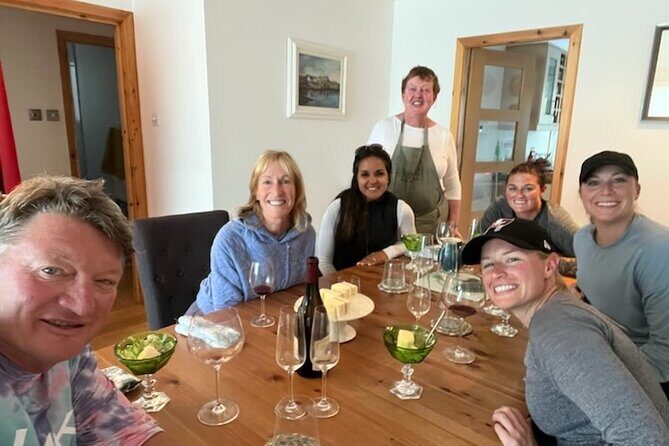
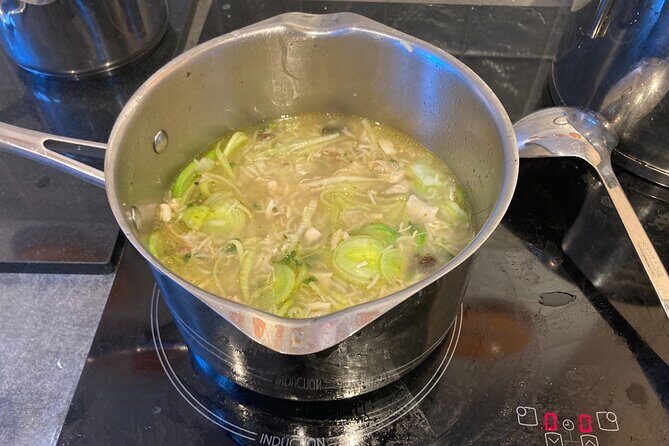
The starter example is Partan Bree: a rich, creamy crab soup. The menu notes are fun and specific: Partan means crab, and bree means liquid. That kind of detail is exactly what helps the meal feel like it belongs in the Highlands rather than being “just another starter.”
What I like about this course concept for you is the balance. A creamy soup sets expectations. It’s warm, filling, and comforting, and it gives you something distinctive before the main course. It also signals the wider theme: seasonal and local flavors, described in plain language with a bit of cultural meaning.
Practical tip: if you’re sensitive to seafood flavors, you’ll want to mention it ahead of time. The dinner is built around traditional Scottish dishes, and seafood may show up depending on the menu that night.
Mains that reflect local what-we-really-eat cooking
The mains in this kind of slow-food dinner tend to follow two threads: what’s in season and what’s common in local farming and rearing. In this experience, you might see dishes such as mackerel and potatoes, and even soups like muscle soup and bread depending on the course flow.
You may also find heartier Scottish favorites. Some diners mention haggis, and others highlight venison paired with fresh highland berries. Another common praise is that ingredients are locally sourced, and that the host sometimes uses foraged items, like mushrooms and berries, when they’re available.
This is where the “good for you” promise becomes real. The dishes you’re likely to eat here are built around ingredients and methods that don’t require shock-and-awe. Think slow cooking, comfort textures, and flavors that don’t get buried under heavy sauces.
The one drawback to keep in mind: if you’re expecting a highly regimented, restaurant-style timetable with little chatting, this may feel looser. The evening can turn into a conversation-driven night, and one person even noted that conversation can get dominated if you’re not careful about joining in.





Venison, berries, and foraged ingredients: the Highlands show up in flavor
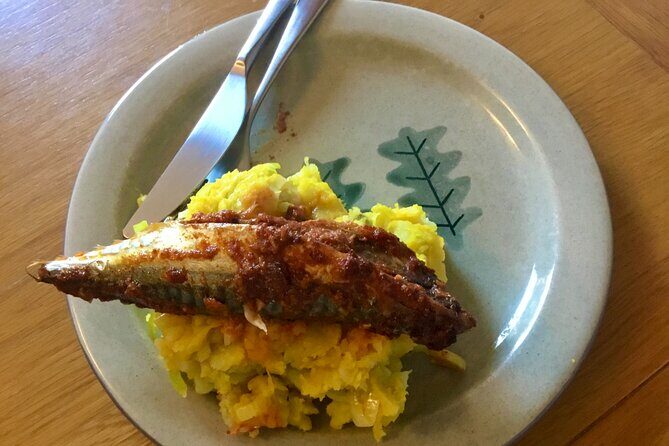
A highlight repeated in the experience: the way seasonal Highlands ingredients are used. Venison with fresh highland berries gets called out as especially good, including for people who don’t normally love venison. That tells me something important for you: the cooking approach likely keeps flavors approachable, not gamy or overwhelming.
There’s also a clear emphasis on sourcing. Diners mention that ingredients are locally sourced, and one person specifically described the host foraging for items like mushrooms and berries. Even if you don’t get foraged ingredients every night, the menu philosophy suggests you’ll be eating with the seasons in mind, not with a generic ingredient list.
If you care about sustainability in a practical way (not just a buzzword), this approach matters. You’re eating what’s available and what fits local growing cycles, and that can reduce the “everything tastes the same” feeling that hits some tourist menus.
Cranachan: oatmeal, honey, raspberries, and a touch of whisky
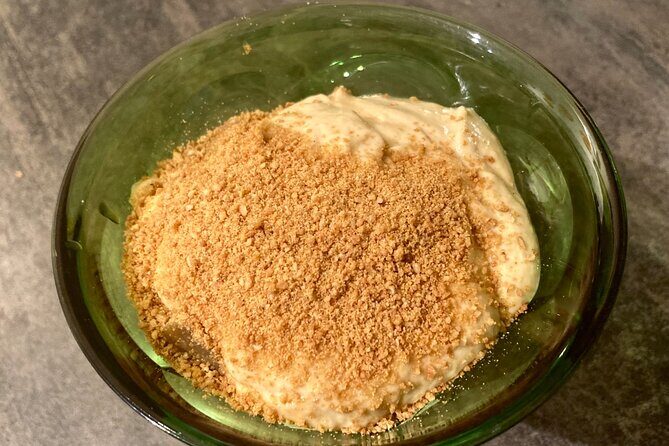
Dessert is often where Scottish dinners win or lose, and here it’s set up with Cranachan. The standard description is unmistakable: cream with seasonal raspberries, Scottish honey, oatmeal, and whisky.
The name matters less than the structure. Cranachan is built on a classic Scottish pattern: oats and dairy plus something bright and seasonal. The whisky component adds warmth rather than alcohol heat, and the honey helps everything taste rounded, not sharp.
For you, this is the payoff course because it’s both familiar enough to enjoy and distinct enough to remember. Also, it gives you a clean contrast to a savory starter and a hearty main.
If you’re sensitive to dairy or alcohol, tell Karen beforehand. The exact recipe uses whisky in the Cranachan description, and while cooks can sometimes adjust, you shouldn’t assume.
Wine and whisky pairings: decide early, and ask what’s included
Here’s the topic that can make or break the experience value: alcohol pairings.
Wine and whisky pairings are available, but they’re not included in the base price. Many diners recommend taking the pairings, describing them as a standout. That lines up with the rest of the evening: the meal isn’t just food. It’s food plus explanations, and pairings can help those explanations click.
At the same time, there was one unhappy customer who felt a surprise happened at the end when an extra charge was requested. The host’s response clarifies that the experience prices are shown as from, and that choosing a wine or whiskey flight involves an extra charge depending on how much you want to spend.
So here’s the practical move: when you book, look at any pairing options and confirm whether they require a separate payment. If you want pairings, ask what flight levels cost. If you do not, say clearly that you are skipping wine or whisky flights so there are no surprises when the plates are cleared.
Pricing: what $103.07 buys you, and when it feels worth it
At $103.07 per person for about 2 hours, you’re paying for three things:
- Dinner in a home setting (not a standard restaurant table fee)
- A seasonal menu that focuses on traditional dishes and ingredient meaning
- Storytelling and hosting by Karen, which many people treat like the best part after the food
If you eat well and enjoy learning, the value can feel strong. Multiple diners describe the food as plentiful and uniquely good, and they highlight that it felt like much more than a basic meal.
But value depends on one variable: alcohol pairings. Since pairings cost extra, the same meal can feel like a bargain to one person and like a letdown to another if they weren’t expecting the add-on.
My advice: treat the base price as the floor. If you’re pairing a Scottish dinner with whisky or wine, budget for that choice up front.
Who this dinner is perfect for (and who should rethink it)
This experience fits best if you want:
- Authentic Scottish home-cooking instead of restaurant assembly-line food
- A dinner where the host talks through ingredients and local culture
- A cozy evening in Inverness with a small group atmosphere
It’s also a good choice if you travel with dietary needs. People mention Karen accommodating special dietary needs, which matters in a home setting where menu flexibility can be the difference between an okay night and a great one.
Reconsider it if you:
- Want a strictly quiet meal with zero conversation
- Are allergic to seafood or dairy and don’t want to discuss adjustments
- Dislike the idea of optional add-ons and would rather choose everything in advance, in writing, before you arrive
Should you book Karen’s Slow Food dinner in Inverness?
I’d book this if you’re the kind of traveler who likes food with context and you’re comfortable spending an evening talking as much as eating. The recurring praise around Karen’s storytelling, the seasonal focus, and classics like Partan Bree and Cranachan make it sound like the sort of night you’ll remember when you’re back home and trying to recreate the flavors.
I’d also book it if you want a break from touristy menus. A home dinner changes the whole rhythm. You get an honest Scottish meal that’s tied to real ingredients and the people who use them.
The only reason not to book is if you strongly dislike conversation-led experiences or you want to avoid any chance of extra costs. In that case, still consider it, but go in prepared: decide on wine or whisky pairings ahead of time and clarify your preferences from the start.
FAQ
How long is the Slow Food Highland Dining and Storytelling experience?
It runs for about 2 hours.
How much does the experience cost?
The price is $103.07 per person.
What’s included in the price?
Dinner is included.
Are wine or whisky pairings included?
No. Alcoholic beverages are not included, but wine and whisky pairings are available.
Where does the experience start?
It starts at 9 Balnakyle Rd, Inverness IV2 4BS, UK, and ends back at the same meeting point.
What is the maximum group size?
The experience has a maximum of 6 travelers.
Can I cancel for a full refund?
Yes, you can cancel for a full refund if you cancel at least 24 hours in advance. If you cancel less than 24 hours before, the amount you paid is not refunded.