REVIEW · GLASGOW
The Scottish Highlands Photography Tour & Workshop
Book on Viator →Operated by Alba Experiences · Bookable on Viator
Early-morning Highlands photos hit different. You’ll get a private, photography-focused day with the guide (James) steering you toward the Glencoe moments that make pictures click, not just sightseeing. The one catch is simple: the itinerary depends on weather, so expect some flexibility.
I like that this isn’t a bus tour with random stops. It’s built around helping you actually work a scene—composition choices, timing, and practical camera guidance—while you’re surrounded by real, rugged West Highlands scenery. And you’ll start early with pickup handled for you from Glasgow, which makes the whole thing feel low-stress from the first minute.
If you’re hoping for a leisurely walk-only day, that may be your only mismatch. You should plan for a moderate physical fitness level, since the photo stops are out in the landscape and you’ll be moving with a purpose.
In This Review
- Key points to know before you go
- What makes this Scottish Highlands photo tour worth your time
- Glasgow pickup and the pace of a full 10–12 hour day
- Stop 1: George Square start—get your plan before the countryside swallows the day
- Rannoch Moor: photographing desolation without losing the details
- Glencoe: turning dramatic valleys into strong compositions
- Castle Stalker: adding a romantic focal point to your Highland set
- The workshop part: snacks, water, and practical camera help
- Price and value: what $1,032.20 per group really buys
- Who this tour suits best (and who should think twice)
- Should you book the Scottish Highlands Photography Tour & Workshop?
- FAQ
- What time does the tour start?
- Where is the pickup in Glasgow?
- Is the tour private?
- Is lunch included?
- Can I bring or include a tripod?
- What happens if the weather is bad?
Key points to know before you go
- Private group up to 7: you get time for questions and slower, better viewing.
- Pickup from Glasgow: hassle-free start, with an air-conditioned vehicle.
- West Highlands photo stops: Rannoch Moor, Glencoe, and Castle Stalker are part of the core plan.
- Real shooting help: your guide gives tips and tricks, not just directions.
- Snacks and water included: you’re covered between stops; lunch is not.
- Tripods by request: if you use one, ask ahead so you can travel prepared.
What makes this Scottish Highlands photo tour worth your time
This tour is for people who care about the photo just as much as the view. That sounds obvious, but the difference is in how the day is run. Instead of handing you a list of scenic points, the guide focuses on getting you shots—by coaching you on how to look, where to stand, and how to make the scene work with your gear.
The best part for me is that it’s private (just your party), not a packed group where you spend half the day waiting. With fewer people, you can slow down for light, try a second angle, or ask why one composition works better than another. That’s where your “good vacation photos” start turning into images you’re proud to keep.
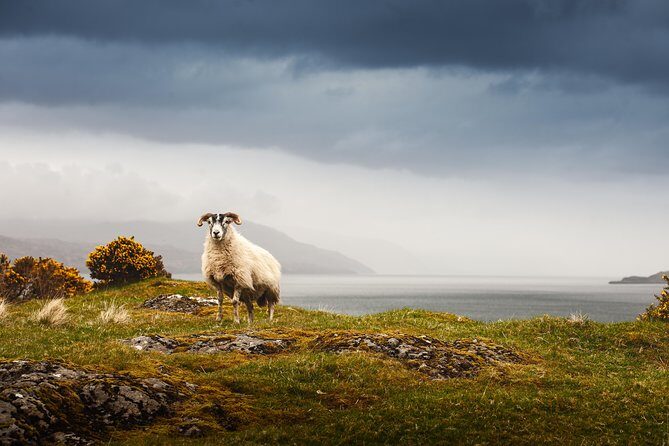
I also appreciate the realism: the Highlands are famous for moods—mist, clouds, dramatic skies—and the guide’s job is to help you respond to what the weather is actually doing. If it’s overcast, you don’t just shrug; you adapt. If it clears, you’re ready. The drawback? If weather shuts down visibility, plans can shift, so don’t treat this as a guaranteed checklist for a specific look.
You can also read our reviews of more tours and experiences in Glasgow.
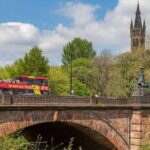
Glasgow pickup and the pace of a full 10–12 hour day
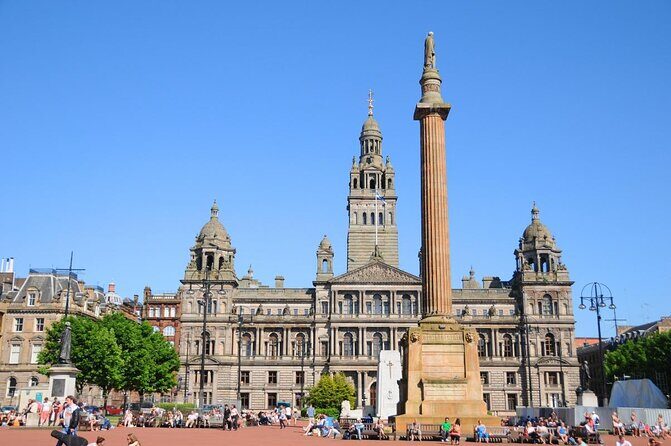
The day starts at 8:00 am, with pickup from your Glasgow hotel or airport area (George Square is listed as a starting point). That matters more than you might think. When you start on time and don’t waste hours finding the vehicle, you gain time at the best light for photography.
You’ll be riding in an air-conditioned vehicle, which is a genuine comfort upgrade when you’re spending long hours on the move. And since this tour is designed to take you into remote-feeling countryside, having transportation handled makes the experience smoother than trying to cobble it together with public transit.
Pace is part of the deal, though. This is not a sit-and-stare workshop. You’ll be out at photo stops long enough to try angles and settings, then back into the vehicle, then on again. With moderate physical fitness required, plan for some walking on uneven ground and time spent standing with intention.
Stop 1: George Square start—get your plan before the countryside swallows the day
You’ll begin near George Square, where the pickup process gets you organized right away. Since this is a photography-focused outing, the first moments can set the tone. Think of the start as your chance to get aligned with the day’s shooting priorities: what you’re bringing, what settings you’re comfortable with, and what kind of images you want from the Highlands.
Even without a long formal briefing, early structure helps. When the Highlands scenery suddenly hits you at full force, it’s easy to freeze and point your camera at everything. A good guide helps you avoid that. In the reviews, James is repeatedly described as knowledgeable about Scotland, and that translates on the road into quick, practical guidance—exactly what you want when you’re trying to photograph fast-changing scenes.
If you’re using a tripod, this is also the time to factor it in. Tripods are mentioned as available on request, so if you want one during the day, ask ahead. Otherwise, you might arrive with plans to shoot long exposures and realize you’ll need to manage without your preferred setup.
Rannoch Moor: photographing desolation without losing the details
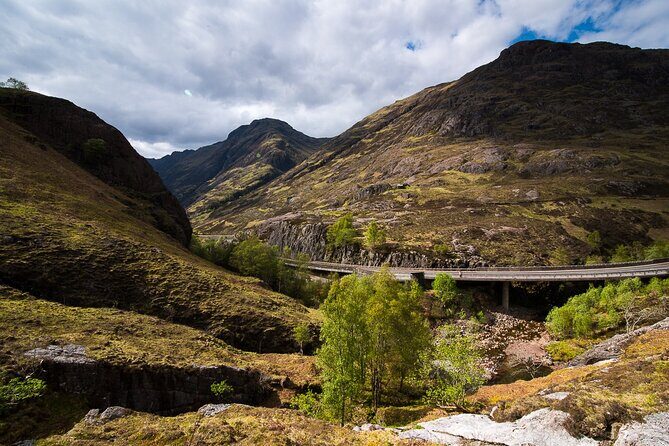
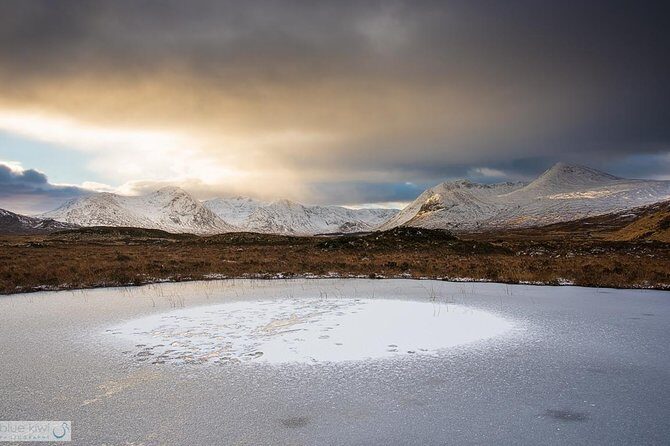
Rannoch Moor is part of the core route, and it’s the kind of place that teaches patience. The moorland can feel wide, empty, and strangely powerful. That emptiness is exactly why it works for photography: it forces you to make choices about foreground, horizon, weather, and contrast instead of relying on a bunch of obvious subjects.
What you’ll likely love here is the chance to create images with mood. Overcast skies can turn the moor into a soft, layered scene. Wind can blur movement or add drama to what would otherwise be a static view. With coaching from your guide, you can learn how to keep the frame from looking flat—by placing key elements carefully and controlling exposure so the textures don’t vanish.
Practical advice for this stop: pack for the possibility of cool, damp conditions and protect your lenses. A moor day can be calm one minute and miserable the next. Also, plan to shoot in short bursts rather than one long session—try one composition, adjust, try again, then move your angle when the light changes.
The drawback is that conditions can be unpredictable. If visibility is poor, the moor may look less dramatic in the way people expect from photos online. But that’s where a guide’s approach can help you still make meaningful images with what you’re given.
Glencoe: turning dramatic valleys into strong compositions
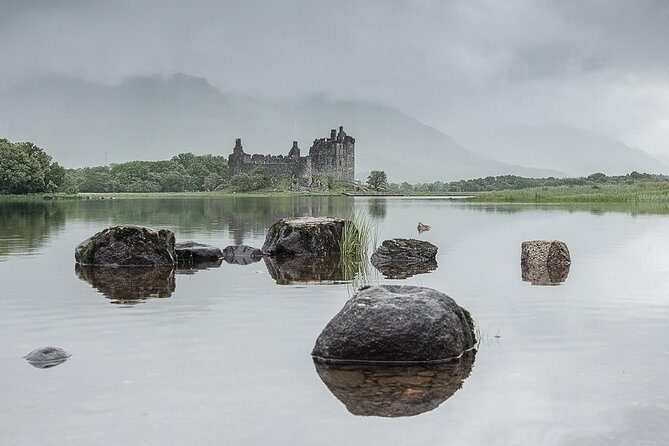
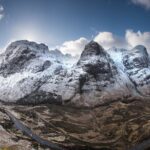
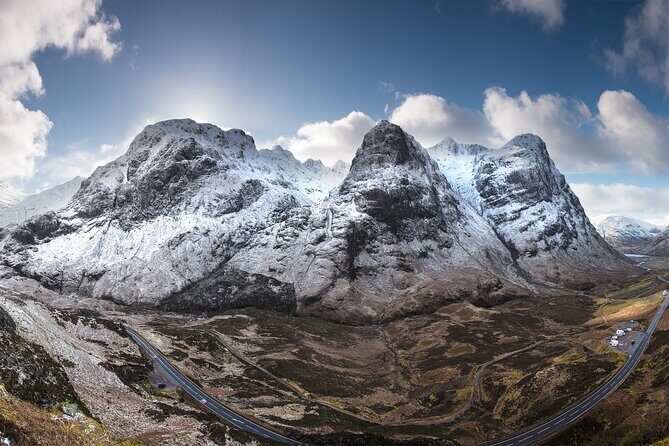
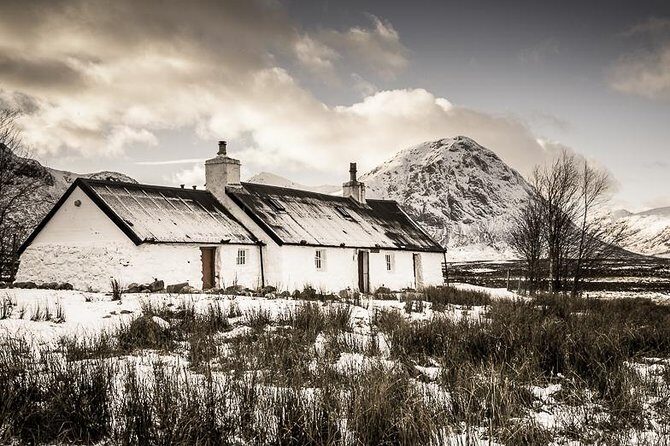
If you’re going on this tour for one place that’s famous for atmosphere, it’s Glencoe. This isn’t just about pointing your camera at the valley. It’s about using the environment—layers of hills, changing light, and that mix of fog and contrast—to build a shot that feels deep and intentional.
One thing I’d lean on here is pacing. Glencoe scenes can be photographed from multiple viewpoints, and the “right” image often comes from small adjustments: height, distance, and where you place the subject relative to the frame. A private setup helps because you can linger and retry without feeling like you’re holding up a crowd.
James gets high praise in the reviews for being very knowledgeable, and it shows in the way the day is managed: you don’t just get told where to stand. You get tips and tricks for how to photograph the Highlands so the final image matches the feeling you saw in person.
If you’re shooting landscapes, Glencoe can tempt you into wide shots only. Don’t ignore the smaller details either. A strong day in Glencoe usually mixes wide establishing views with tighter frames that isolate texture—tree lines, slopes, and rock edges. That mix makes your photo set look like a story instead of single snapshots.

Castle Stalker: adding a romantic focal point to your Highland set
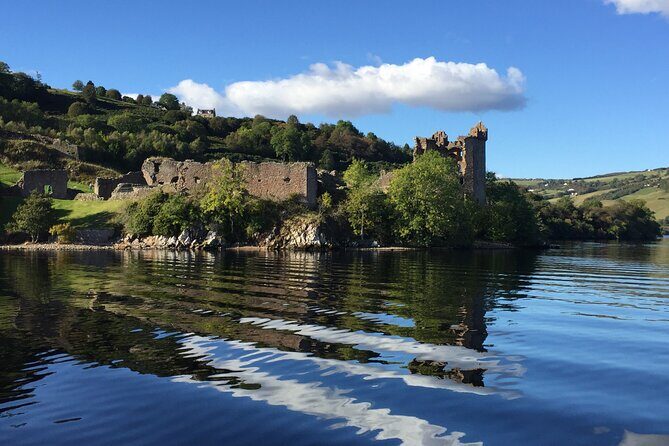
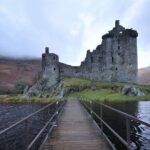
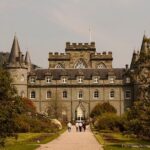
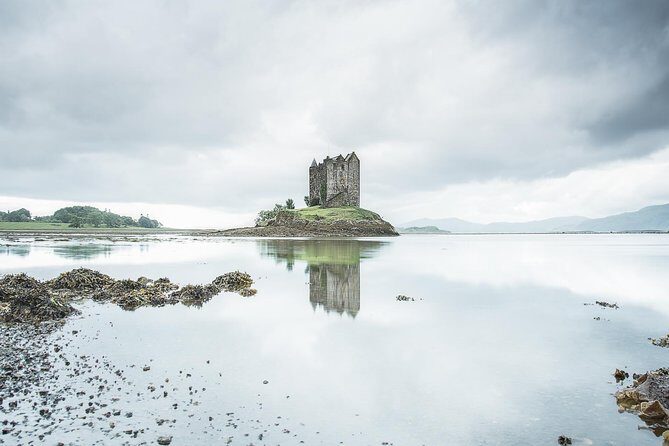
Castle Stalker is included as part of the experience, and it’s a different type of subject than moorland or valley vistas. Castles bring structure—lines, silhouettes, and a clear focal point—which can help you balance the softer, more atmospheric scenes you’ll likely get in Glencoe and around the Highlands.
This stop is valuable because it gives your camera a chance to capture something with built-in composition. Even if the sky is ordinary, the castle’s shape can still hold your frame together. If conditions are dramatic, it can also amplify the mood, turning the image into something more cinematic.
For you as a photographer, this is where you can experiment. Try a classic shot where the castle sits clearly in the frame, then try a version that uses foreground framing for depth. If you’re comfortable, consider a slower shutter speed if your setup and conditions allow it—water and atmospheric movement can add life to the scene.
The main consideration here is timing. Since the day is 10 to 12 hours long and relies on driving and weather, you may have less time at each stop than you’d have if you stayed overnight. That’s not necessarily bad—just plan your expectations. If you want maximum time at Castle Stalker, prioritize your compositions fast and ask your guide for the best viewpoint for the look you want.
The workshop part: snacks, water, and practical camera help
This tour includes bottle water and snacks, which is a small detail that makes the day easier. Highlands photography is tiring—standing, waiting, walking, switching lenses, wiping condensation off your front element. Having food and water covered keeps you from spending your stops searching for something quick.
Lunch is not included, so you’ll want to plan around that. If you know you get hungry mid-morning or early afternoon, bring extra snacks if you prefer, even if the tour provides some. That’s one way to keep your energy steady and your attention on the photos instead of the rumbling stomach.
The biggest “workshop” element is the guide’s instruction: you get tips and tricks for photographing the Highlands. Since photography advice can vary from vague to super practical, I look for coaching that helps you make decisions on the spot—how to frame, how to handle light, and how to turn a confusing scene into a clear composition. The reviews praising James as knowledgeable suggest the guidance is grounded and useful, not just inspirational talk.
Also, don’t forget gear logistics. If you asked to include tripods, you’ll want to use that chance. Tripods can help with sharper results and longer exposures when the light is flat, especially in moody weather.
Price and value: what $1,032.20 per group really buys
The price is listed at $1,032.20 per group for up to 7 people. That’s a private tour cost, not a per-person ticket, so the value changes depending on how many of you are traveling.
Here’s the simple math: if you fill the group with 7 people, it works out to roughly $147 per person for a full day of guided photography. If you’re fewer than 7, the per-person cost rises, but you still get the same structure: pickup from Glasgow, private time, photo coaching, an air-conditioned vehicle, and the included snacks and water.
Where this becomes good value is the guide-to-subject ratio. In a shared group, photographers often spend the day trying to reposition without much coaching. Here, your guide’s focus can stay on your party, and that tends to speed up learning. You also save time by not planning the route and driving yourself.
The main cost/benefit decision for you: ask whether you’ll use the coaching. If you’re the kind of photographer who wants help getting better shots—composition, settings, how to handle weather—this type of private guided day is often worth it. If you just want scenic views with zero instruction, you might feel it’s pricier than what you need.
Who this tour suits best (and who should think twice)
This tour fits best if you’re a keen photographer and you want structure. If you enjoy learning how to see—how to choose a viewpoint, how to frame layers of mountains, how to shoot when weather isn’t perfect—this is right in your lane.
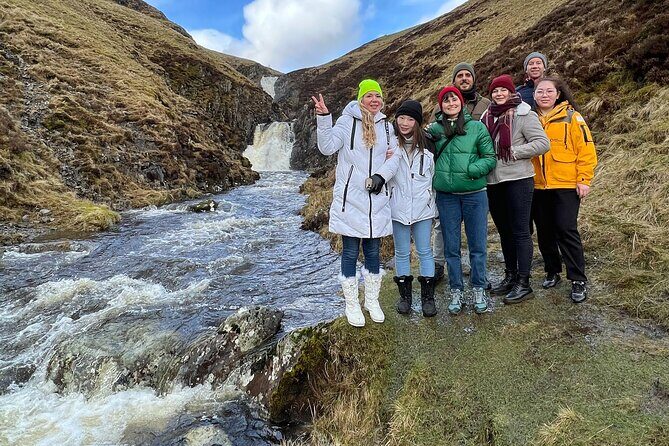
You’ll also like it if you travel with a small group of friends or family. Up to 7 people means you can bring company without turning the experience into a crowd. And since it’s private, you can move at a pace that works for photography rather than rushing to match a group schedule.
Who might want to skip it? If you want a very relaxed day with minimal walking and no driving time, the moderate fitness requirement and full-day format may feel like a grind. And if you’re only interested in highly specific photo scenes that must look a certain way, remember the experience depends on weather and may be adjusted.
One more practical note: this is a long day—about 10 to 12 hours. Plan your camera battery strategy, wear layers, and keep your lens cleaning supplies handy.
Should you book the Scottish Highlands Photography Tour & Workshop?
Book it if you want a private photography day in the West Highlands, with a guide who pays attention to the photograph, not just the itinerary. The strongest reasons are the private group size, the focused West Highlands photo spots (Rannoch Moor, Glencoe, Castle Stalker), and the practical coaching from James that shows up clearly in guest reviews.
Hold off if you don’t want a full-day schedule, or if you’re unlikely to use the instruction. Since lunch isn’t included and the day is weather-dependent, it’s best for people who are comfortable rolling with Highlands conditions.
If you’re on the fence, here’s your deciding question: do you want to leave with better images than you could have gotten on your own? If yes, this tour gives you a real shot at that—because you’re not just driving to scenery, you’re learning how to photograph it.
FAQ
What time does the tour start?
The tour starts at 8:00 am.
Where is the pickup in Glasgow?
Pickup is from your hotel in Glasgow, with George Square listed as a starting point.
Is the tour private?
Yes. It’s a private tour/activity, and only your group participates.
Is lunch included?
No. Snacks and bottle water are included, but lunch is not.
Can I bring or include a tripod?
Tripods can be included with the tour on request.
What happens if the weather is bad?
This experience requires good weather. If it’s canceled due to poor weather, you’ll be offered a different date or a full refund.