REVIEW · INVERNESS
3-Day Orkney Explorer Small-Group Tour from Inverness
Book on Viator →Operated by Rabbies Trail Burners · Bookable on Viator
Orkney feels like a time machine. This small-group 3-day run from Inverness strings together coast views, a smooth ferry crossing, and real-world visits to some of Europe’s most important Neolithic sites. It’s a packed trip, but the point is simple: you get the hard-to-plan pieces handled while you focus on seeing places up close.
I especially like two things. First, the Neolithic day is timed for maximum impact—Skara Brae and Maeshowe both come with reserved entry, so you’re not stuck in ticket lines. Second, you travel without the stress of driving yourself; you’re in a 16-seat Mercedes with a professional guide, and in my reading of past trips, guides like Shauna, Helen, Amy, James, and Stewart have been praised for pacing and storytelling.
One possible drawback: the schedule is full, and some stops are short. Also, the day-one Dunrobin Castle path is steep and not for everyone, and your comfort depends on where your overnight in Kirkwall lands (one guest house worked great for some, while another property was called a letdown).
In This Review
- Key highlights to look forward to
- Getting to Orkney: Inverness, John o’ Groats, and the Pentland Firth crossing
- Day 2 is the main event: Skara Brae to Maeshowe
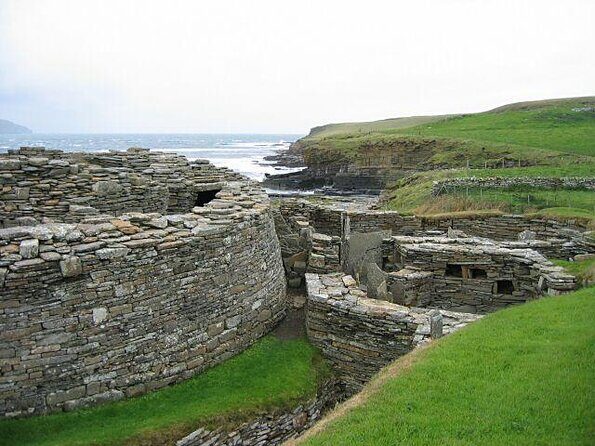
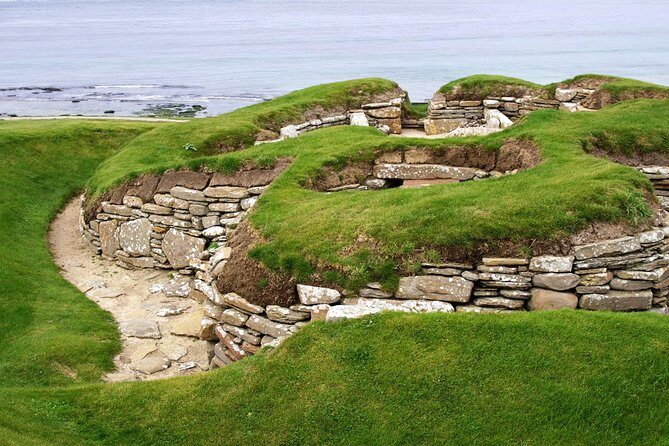
- Skara Brae: the Neolithic village you can almost walk into
- Ring of Brodgar: a stone circle made for wide shots
- Stenness: quick, early henge energy
- Maeshowe: the chambered cairn with Viking runes
- Day 3: Kirkwall free time, then the mainland return via Caithness and Sutherland
- Driving isn’t the point: the 16-seat Mercedes and small-group pacing
- Value for money: what’s included, what isn’t, and how to budget
- Where you sleep in Kirkwall: B&Bs and 3-star hotels with real-world trade-offs
- Who this tour fits best (and who should rethink it)
- Should you book the 3-Day Orkney Explorer?
- FAQ
- Where does the 3-Day Orkney Explorer start and where does it end?
- What time does the tour begin?
- How many people are on the tour and what vehicle is used?
- What’s included in the price for admissions?
- Are meals included?
- How many nights do you stay in Kirkwall?
- Can I bring luggage, and how much?
- Is there a restroom on the bus?
- Is the coach wheelchair accessible?
- Are there age limits for this tour?
Key highlights to look forward to
- Reserved entry at Skara Brae and Maeshowe so the most time-sensitive sites run smoothly
- A real ferry crossing over the Pentland Firth, with the Orkney approach that makes the whole trip feel earned
- Big monuments, short walks: Ring of Brodgar and Stenness are quick, focused stops with serious photo payoff
- A guide who actually steers the day (many groups mention guides like Helen, Shauna, Amy, and Stewart keeping things moving without rushing)
- Kirkwall free time that lets you pace yourself before the mainland return
- Weather-friendly flexibility: guides have adjusted the plan when conditions shift, rather than pushing through blindly
Getting to Orkney: Inverness, John o’ Groats, and the Pentland Firth crossing
You start from Ardross Street near Inverness Cathedral at 8:00am. That early departure matters because Orkney days go fast once you’re out on the road and then on the water. The payoff is that you lose less daylight to logistics and more to the places you came for.
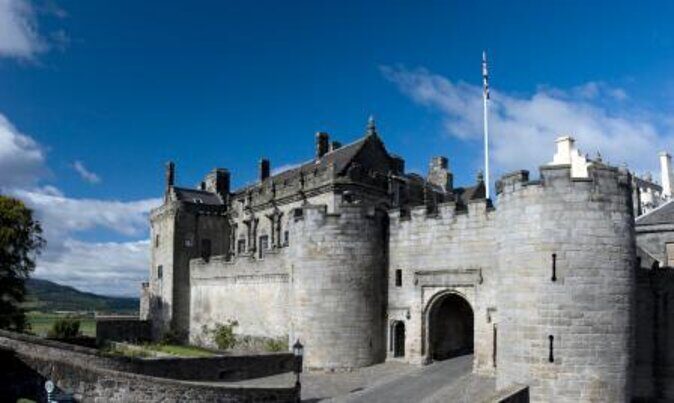
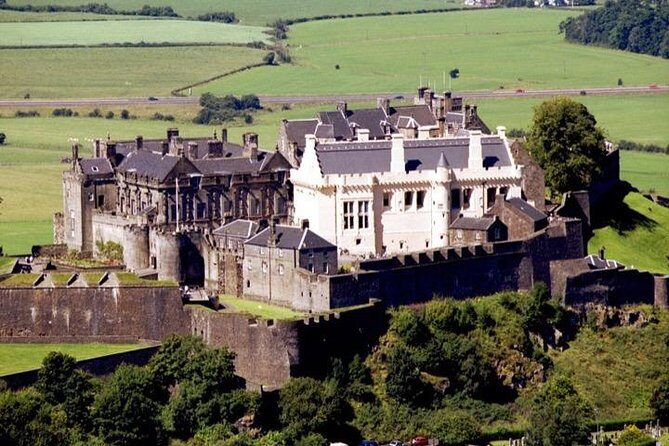
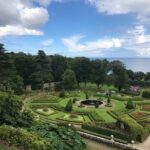
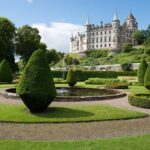
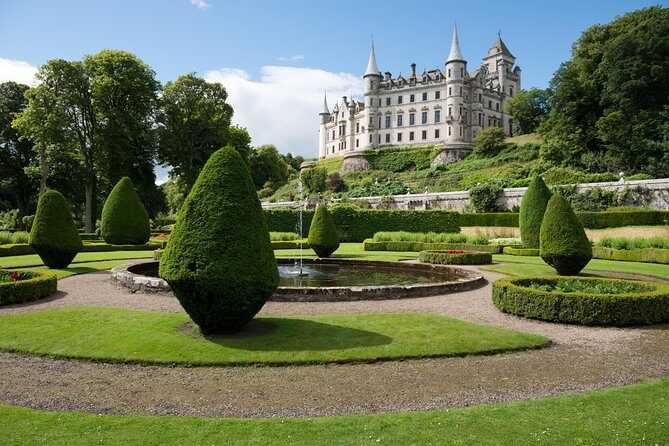
Day one has a classic “northern Scotland warm-up” feel. You stop at Dunrobin Castle and Gardens for a quick photo moment. It’s a brief stop, but it’s a good way to set the scene—just know the front path can be steep, and the castle approach isn’t ideal if you have mobility limits.
Then you swing by Dunbeath Harbour for a sea-and-sky comfort stop. It’s short, but these pauses matter on a multi-day tour; they help you reset before the more intense sights of Orkney begin.
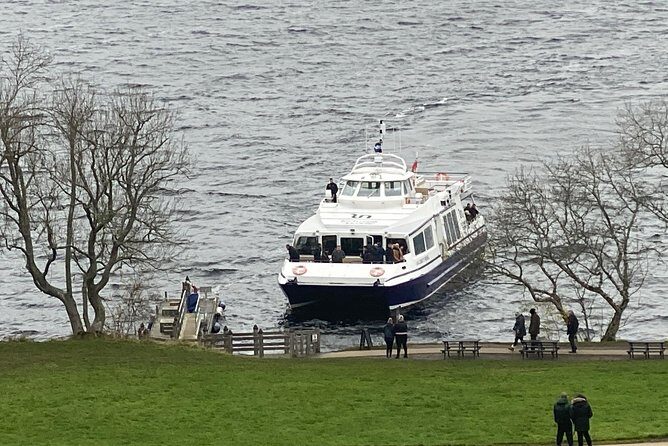
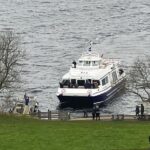
From there it’s onward to John o’ Groats, the most northerly mainland village in the route. You’ll continue to Gills Bay, where you board the ferry and cross the Pentland Firth into the Orkney Archipelago. Even if you don’t love boats, the crossing is part of why Orkney clicks emotionally. It’s that moment where the coast starts to look different and the pace changes.
Day one also includes the Italian Chapel. You’ll have a stop to visit, but the operator notes that if you want to go in, you should plan on purchasing your ticket while on tour. This is a good example of how the tour keeps control over most essentials (like key Neolithic entries) while leaving other attractions flexible.
Finally, you reach Kirkwall, Orkney’s capital, which becomes your base for the next two nights.
A few more Inverness tours and experiences worth a look

Day 2 is the main event: Skara Brae to Maeshowe
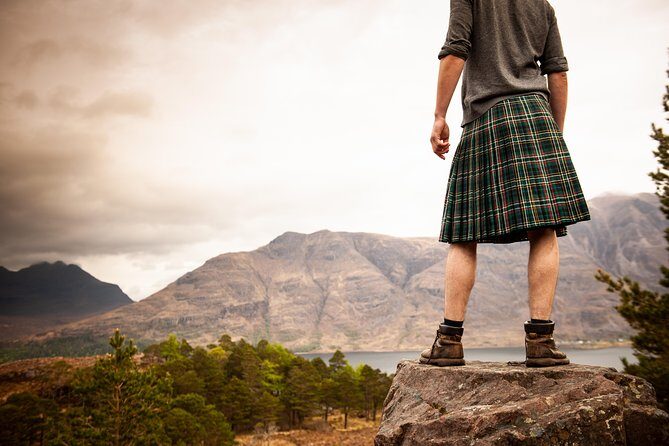
If you’re booking for one day, make it day two. You’ll spend it inside the Neolithic Orkney World Heritage zone, with four major stops that map out how people lived and built thousands of years ago.
Skara Brae: the Neolithic village you can almost walk into
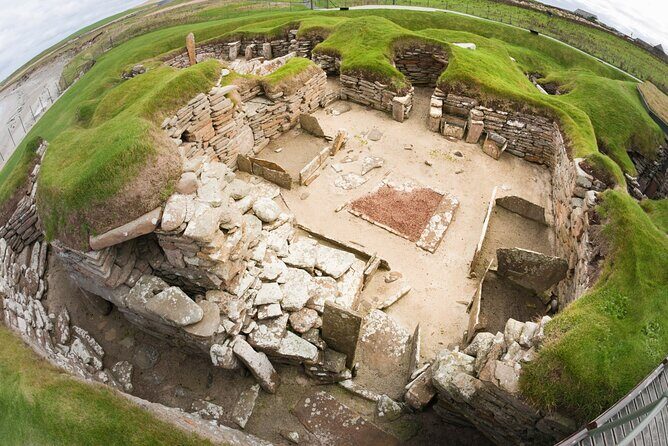
You get Skara Brae for 1 hour 30 minutes, with entry included. This is one of those rare sites where “time travel” isn’t marketing fluff. You’re looking at a whole settlement—homes, design logic, and how daily life might have felt. The tour’s timing gives you enough time to move slowly and actually read what you’re seeing instead of doing a frantic dash for photos.
The practical tip here is simple: wear shoes that handle uneven ground and dress for wind. Coastal Orkney sites can feel colder than you expect, even when the sun is out.
Ring of Brodgar: a stone circle made for wide shots
Next up is the Ring of Brodgar. You’ll have about 30 minutes. The big story is scale: originally a full ring of megaliths, now with fewer stones remaining. The short stop works best if you treat it like a photo-and-walk moment—step back to understand the circular layout, then walk in closer to see the texture and spacing.
If it’s raining, don’t fight it. The stones don’t care about your camera settings, and the ground can get slick—watch your footing.
Stenness: quick, early henge energy
Then it’s Standing Stones of Stenness. This is a smaller stop—about 10 minutes—but it complements Ring of Brodgar well. Think of it as the “left side” of a bigger prehistoric puzzle. Even in a short window, it gives you a feel for ceremonial space and how these sites connect in the wider area.
Maeshowe: the chambered cairn with Viking runes
The last stop is Maeshowe Chambered Cairn, also about 1 hour 30 minutes, with entry included. This is where the tour really delivers “wow” factor in a controlled way. The site is famous for monumental Neolithic construction, and it also has the added layer of history from later visitors: the operator notes that Viking crusaders broke into the cairn and carved runes in the main chamber.
That combination—Neolithic design plus medieval graffiti—is exactly why Maeshowe lands so hard. You’re seeing the original intent and the later human impulse to leave a mark, all in one place.
Also, since Maeshowe is part of the broader Neolithic complex that includes Skara Brae, Ring of Brodgar, and Stenness, the day starts to feel like a connected map rather than a checklist.
Day 3: Kirkwall free time, then the mainland return via Caithness and Sutherland
Day three starts easy with Kirkwall free time (about 1 hour 30 minutes). This is your buffer. You can wander the town, browse local shops, and if you’re interested in architecture, St Magnus Cathedral is specifically mentioned as an option.
This free time is valuable because Orkney can feel intense. A mid-day chance to reset helps you enjoy meals and small discoveries without feeling locked to the clock.
After that, you take the ferry back to the mainland and travel through Caithness and Sutherland. You’ll hear about the Highland clearances, one of Scotland’s most world-changing and difficult chapters, and you’ll see remote fishing villages along the way.
It’s a nice mix: not just “here are the pretty views,” but also “here’s the story behind why life here looks like it does.” The day ends with an early evening arrival back in Inverness.
Driving isn’t the point: the 16-seat Mercedes and small-group pacing
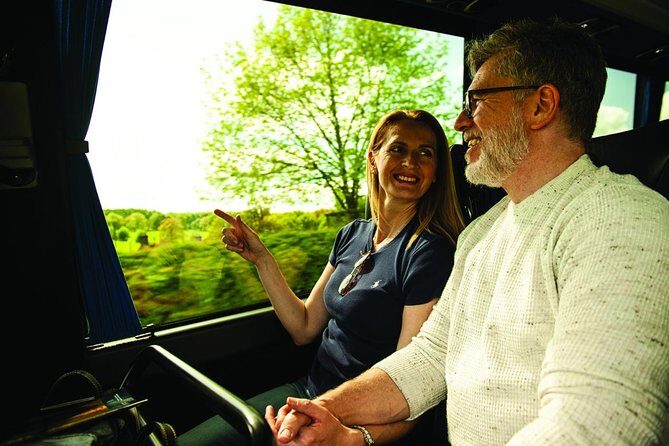
One reason this tour stands out is what it removes from your head. You skip the rental car. That means you’re not negotiating narrow roads, ferry schedules, and parking in multiple towns. Instead, you focus on the sites—and you get commentary while you travel.
You’re in a 16-seat Mercedes mini-coach. The notes say there are three steps up into the coach, and the step height is listed at 150mm. There are grab handles and non-slip treads, but if you’re sensitive to stairs or have balance concerns, it’s worth noting up front.
There’s also no restroom on board, which is normal for this kind of vehicle. The group makes regular breaks, so plan on timing drinks and snacks around stops.
The small-group size (max 16 travelers) is part of the comfort story. It’s still a group, but it tends to feel easier to manage than big bus tours. Many past groups describe guides steering flexibly—often adding small extras based on interest, and sometimes adjusting if weather changes. Some trip feedback highlights guides like Kev, Emily, and Stewart for being both fun and efficient, while still allowing time to explore on your own.
And yes, sometimes the day includes unexpected side moments. One group specifically called out a visit involving Hungarian sheep pigs, which is exactly the kind of off-the-plan stop that makes a tour feel human instead of robotic.
Value for money: what’s included, what isn’t, and how to budget

At $690.41 per person for 3 days, you’re paying for more than transport. You’re buying three big types of value:
- Reserved entries for the most important Neolithic sites: Skara Brae and Maeshowe are included. These aren’t the places you want to scramble for at the last minute.
- Accommodation organized for you: you get 2 nights in Kirkwall, in either a B&B or a 3-star hotel with private facilities.
- A professional driver-guide: the tour isn’t just someone driving. Past groups mention guides doing real interpretation and handling the flow of the day.
What you’ll still pay for is mostly predictable:
- Food and drinks are not included unless specified.
- Entrance fees are not universally included. The tour notes explicitly say Maeshowe and Skara Brae admission is included, while places like the Italian Chapel may require you to buy tickets while on tour.
- Other attractions you might choose to see in Kirkwall can also involve additional entry.
So here’s the practical budget approach: set aside money for lunch most days and any optional entrances (especially if Italian Chapel is a priority for you). If you’re trying to keep costs down, focus your paid entrances on the places you truly care about, since the included sites already cover the big “must see” Neolithic anchors.
Where you sleep in Kirkwall: B&Bs and 3-star hotels with real-world trade-offs
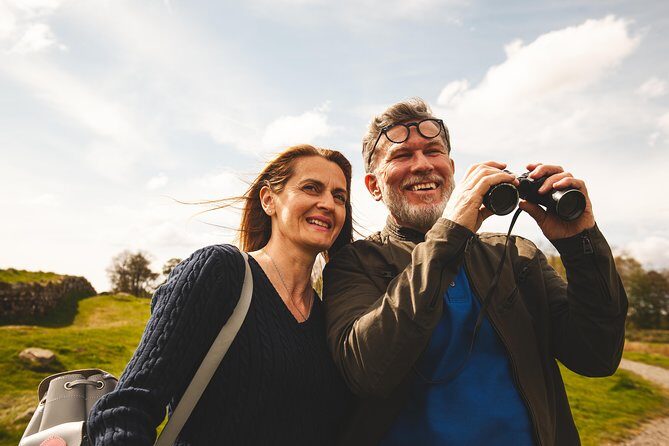
You stay two nights in Kirkwall, in either a B&B or a 3-star hotel with private facilities. That’s a solid setup for doing a day trip and then having an evening you can control.
One thing you should understand: “Kirkwall base” doesn’t mean one single hotel. The operator assigns accommodation within that category. In past experiences, some guests loved their property and location, while another guest felt their assigned hotel was outdated compared to what they paid for.
What does this mean for you? When choosing this tour, assume you’re buying convenience more than a specific luxury brand. If hotel quality is a top concern, you can also use your own criteria once you arrive—where you can walk to dinner, whether the room feels modern enough for you, and whether breakfast and staff meet your expectations.
Who this tour fits best (and who should rethink it)
This tour fits best if you want:
- High-impact Orkney without doing the driving yourself
- A structured approach to the Neolithic sites, especially Skara Brae and Maeshowe
- A small-group feel with a guide who talks through the history and the meaning of what you’re seeing
- Time to wander Kirkwall rather than rushing through it
You might rethink it if:
- You hate schedules that are packed with short stops
- Steep paths are an issue for you (Dunrobin Castle’s route is flagged as steep)
- You expect meals and every entrance fee to be included (food isn’t, and not every attraction is covered)
- You require wheelchair accessibility for boarding (the coach is noted as not wheelchair accessible)
Should you book the 3-Day Orkney Explorer?
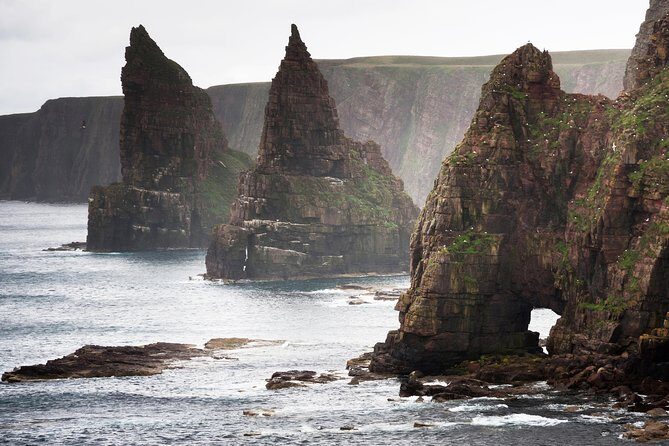
In my view, this is a strong booking if Orkney is on your “someday” list and you want it handled. The combination of included entries for the two biggest Neolithic hits, two nights in Kirkwall, and a guide-run day format gives you real value. You also get the emotional payoff of arriving by ferry instead of just reading about Orkney in your guidebook.
My main caution is to go in knowing it’s an efficient, not slow, experience. If you’re the type who wants long museum time and lots of unscheduled hours, you may find the day windows tight. But if you like being guided from one powerful place to the next—without driving stress—this is exactly the kind of trip that works.
If you can handle steep spots, bring weather-proof gear, and budget for lunch and optional entrances, I’d say book it and spend your energy on the sites, not the planning.
FAQ
Where does the 3-Day Orkney Explorer start and where does it end?
The tour starts at 1 Ardross St, Inverness (near Inverness Cathedral) and ends back at the meeting point.
What time does the tour begin?
The start time is 8:00am, and check-in closes 15 minutes before departure.
How many people are on the tour and what vehicle is used?
The tour maximum is 16 travelers. It’s run in a 16-seat Mercedes mini-coach.
What’s included in the price for admissions?
Admission is included for Maeshowe and Skara Brae. Other places (like the Italian Chapel, if you want to visit) may require you to buy tickets while on tour.
Are meals included?
No. Food and drinks are not included unless specified.
How many nights do you stay in Kirkwall?
You stay for 2 nights overnight in Kirkwall, with private facilities in a B&B or a 3-star hotel.
Can I bring luggage, and how much?
You’re restricted to luggage in the notes (one piece around carry-on size, plus a small personal item). The main notes mention 20kg per person, while the FAQ mentions 14kg per person, so double-check your booking details.
Is there a restroom on the bus?
No restroom is available on board. The group makes regular breaks during the day.
Is the coach wheelchair accessible?
The bus is not wheelchair accessible, but there is storage available for a folding wheelchair or walking frame. You still need to be able to get on and off with assistance from others, since guides cannot physically assist.
Are there age limits for this tour?
Yes. Children must be at least 5 years old. If a child is under 1.35m (4.4 ft.) tall, a booster seat can be arranged if noted in special requirements.